When it comes to engagement rings, trends come and go, but true style endures. The setting of a diamond or gemstone is not just a holder; it’s a crucial design element that defines the ring’s overall aesthetic, security, and how it’s perceived. For 2026, the focus remains on settings that offer enduring beauty, exceptional durability, and a timeless appeal that will be cherished for a lifetime. This guide delves into the settings that have stood the test of time and continue to be the top choices for couples seeking lasting elegance.
Understanding Timeless Engagement Ring Settings: What Makes a Style Endure?
A timeless engagement ring setting transcends fleeting fashion. It’s characterized by its classic proportions, functional design, and an inherent beauty that remains relevant across generations. These settings are often celebrated for their versatility, ability to enhance the center stone, and their suitability for various lifestyles.
The Enduring Appeal of Classic Designs
Classic designs possess a universal appeal rooted in tradition and proven aesthetics. They often feature clean lines, symmetrical arrangements, and a focus on showcasing the center stone’s brilliance. The inherent balance and harmony in these designs contribute to their lasting popularity.
Beyond Trends: Identifying Styles with Longevity
Longevity in ring settings is determined by factors beyond current fashion. Settings that are well-constructed, protect the gemstone effectively, and complement a wide range of personal styles are those most likely to remain in vogue. Simplicity, elegance, and practicality are hallmarks of enduring designs.
Material Matters: Choosing Metals That Last
The metal choice significantly impacts a setting’s durability and appearance. Platinum, white gold, yellow gold, and rose gold each offer unique properties. Platinum is known for its exceptional strength and hypoallergenic qualities, while various gold alloys provide durability and a range of color options. The chosen metal should complement the gemstone and withstand daily wear.
Top 10 Timeless Engagement Ring Settings That Won’t Go Out of Style in 2026
Here we break down the most enduring engagement ring settings, each offering a unique blend of style, security, and timeless appeal.
Solitaire Settings: The Epitome of Elegance
⚖️ Metal Options: Platinum, Gold (Yellow, White, Rose)
🔋 Durability: High (depending on prong condition)
👍 Pros
- Showcases the center stone beautifully.
- Simple, elegant, and versatile.
- Easy to clean and maintain.
- Symbolizes singular devotion.
👎 Cons
- Center stone can be more exposed to potential damage.
- Less inherent sparkle compared to settings with accent stones.
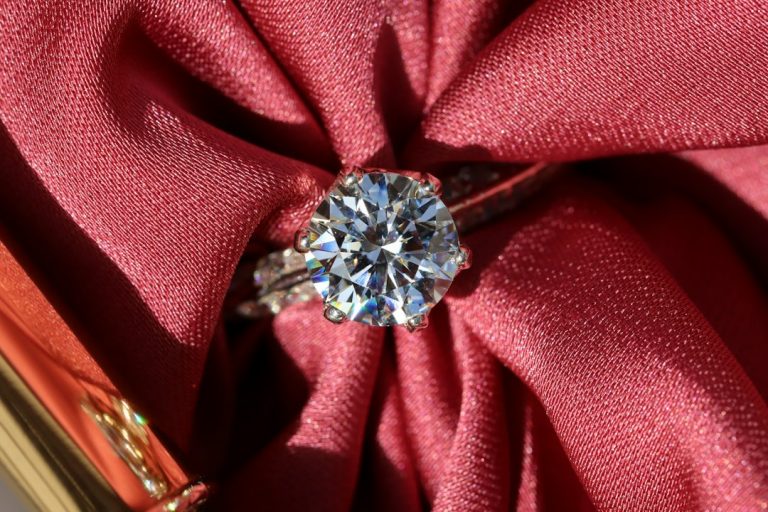
Solitaire settings remain the most popular choice due to their classic simplicity and the way they highlight the diamond’s fire and brilliance. The design’s strength lies in its focus on the gemstone, making it a universally admired style. Different prong styles (e.g., 4-prong, 6-prong) offer varying degrees of security and aesthetic.
The solitaire setting is the quintessential engagement ring style, celebrated for its unadorned elegance. By focusing all attention on a single, magnificent center stone, it allows the diamond’s natural beauty—its cut, color, and clarity—to take center stage. This minimalist approach ensures the ring remains perpetually in vogue, adaptable to virtually any personal style or occasion. Whether paired with a round brilliant, princess, oval, or emerald cut, the solitaire setting provides a clean, sophisticated canvas that emphasizes the gemstone’s inherent sparkle and value. Its simplicity also makes it relatively easy to care for, requiring only regular cleaning to maintain its luster.
The Classic Round Brilliant Solitaire: A Forever Favorite
⚖️ Setting Style: Solitaire (typically 4 or 6 prongs)
🔋 Appeal: Ultimate sparkle and traditional elegance
👍 Pros
- Maximum light reflection for unparalleled brilliance.
- The most traditional and widely recognized engagement ring style.
- Pairs well with any wedding band.
👎 Cons
- Can be more expensive due to the diamond’s cut maximizing brilliance.
- The stone is relatively exposed.
The round brilliant cut is engineered for optimal light return, making it the most brilliant of all diamond cuts. When set as a solitaire, it creates an iconic look that has been cherished for decades. Its timeless appeal is reinforced by its presence in countless classic films and historical engagements.
The round brilliant cut, when featured in a solitaire setting, represents the pinnacle of traditional engagement ring design. Its 58 facets are meticulously calculated to maximize light refraction, resulting in a dazzling display of sparkle, fire, and scintillation. This iconic combination is favored for its universal appeal and its ability to symbolize enduring love. A 4-prong setting offers a clean view of the diamond, while a 6-prong setting provides added security. Regardless of the prong count, the round brilliant solitaire remains a powerful statement of classic elegance and a benchmark for engagement ring beauty.
Princess Cut Solitaire: Modern Grace
⚖️ Setting Style: Solitaire (often 4 prongs, sometimes with corner protection)
🔋 Appeal: Modern, geometric, and brilliant
👍 Pros
- Exceptional brilliance due to its facet structure.
- Modern, angular aesthetic.
- Often more affordable than a comparable round brilliant due to less waste in cutting.
👎 Cons
- The pointed corners are more susceptible to chipping or damage.
- May show inclusions more readily than round cuts.
The princess cut, a square modified brilliant cut, offers impressive sparkle and a contemporary edge. Its geometric shape is highly sought after, and its price point often makes it a more accessible option for a significant carat weight compared to round brilliants. However, the vulnerable corners necessitate careful consideration of the setting to ensure protection.
The princess cut solitaire offers a striking contemporary alternative to the classic round shape. Its square profile and brilliant-cut faceting deliver a dazzling performance of light, rivaling that of its round counterpart. This setting is ideal for individuals who appreciate clean lines and a modern aesthetic, while still desiring the brilliance associated with traditional engagement rings. When set as a solitaire, often with four prongs, or sometimes with specialized corner protection, the princess cut exudes geometric sophistication and enduring style. It’s a choice that speaks to a modern sensibility without compromising on the timeless significance of an engagement ring.

Pavé Settings: Adding Sparkle Without Sacrificing Style
⚖️ Metal Options: Platinum, Gold
🔋 Durability: Good, but prongs can wear over time
👍 Pros
- Increases the overall sparkle and visual impact.
- Creates a seamless band of brilliance.
- Can make the center stone appear larger.
👎 Cons
- Small accent stones can be prone to loosening or loss.
- Resizing the ring can be more complex and potentially damage the pavé.
- Can be more challenging to clean thoroughly.
Pavé settings, meaning “paved” in French, involve setting small diamonds or gemstones very close together, held in place by tiny beads or prongs. This technique creates a continuous, glittering surface. The quality of the pavé work, particularly the security of the small stones, is crucial for longevity.
Pavé settings bring an exquisite level of sparkle to engagement rings by adorning the band with a dense carpet of small, glittering diamonds. This technique, translating to “paved” in French, creates a continuous flow of light, enhancing the ring’s overall brilliance and making the center stone appear more prominent. The meticulous placement of these small stones, secured by tiny prongs or beads, results in a seamless, luxurious finish. While offering amplified glamour, the delicate nature of pavé requires careful consideration of lifestyle to ensure the longevity of the accent stones.
Micro-Pavé: Delicate Brilliance
⚖️ Aesthetic: Intricate, delicate, and intensely sparkly
🔋 Considerations: Requires expert craftsmanship for stone security
👍 Pros
- Offers a higher density of sparkle.
- Creates a delicate, ethereal look.
- Enhances the center stone dramatically.
👎 Cons
- Individual stones are very small and can be lost if not set expertly.
- More susceptible to damage due to the tiny prongs.
- Cleaning requires precision.
Micro-pavé is an advanced form of pavé setting that uses significantly smaller diamonds and even more delicate metal beads or prongs. This technique demands exceptional skill from the jeweler to ensure the stones are set securely and evenly, creating a breathtaking, continuous sparkle.
Micro-pavé represents a sophisticated evolution of the pavé technique, employing minuscule diamonds set with remarkable precision. The nearly invisible prongs create an illusion of diamonds flowing seamlessly across the band, offering an intense, delicate sparkle. This method requires extraordinary craftsmanship, as the tiny stones and their settings are exceptionally fine. The result is a ring that radiates light from every angle, providing a luxurious and intricate aesthetic that is both modern and timeless.
Fishtail Pavé: Intricate Detailing
⚖️ Aesthetic: Unique, vintage-inspired, and highly decorative
🔋 Considerations: Stones are slightly more protected than standard pavé
👍 Pros
- Offers a distinct visual appeal compared to standard pavé.
- The prongs can offer slightly better protection to the accent stones.
- Adds a touch of vintage charm.
👎 Cons
- Can be more difficult to find and may be more costly.
- Resizing can be complex.
Fishtail pavé is characterized by its distinctive prong setting, which often forms a subtle V or U shape between the stones. This design not only adds visual interest but can also offer slightly more coverage and security for the pavé diamonds compared to traditional bead-set pavé.
Fishtail pavé offers a unique variation on the classic pavé setting, distinguished by its distinctive, often V-shaped, beadwork that creates a seamless, scaled effect along the band. This intricate detailing lends a vintage-inspired charm and a subtle textural richness. The design not only enhances the ring’s sparkle but also adds a layer of visual depth. The characteristic prong formation in fishtail pavé can offer a marginally greater degree of protection to the smaller accent stones, combining aesthetic allure with practical considerations for enduring wear.
Channel Settings: Sleek and Secure
⚖️ Metal Options: Platinum, Gold
🔋 Durability: Excellent, as stones are protected by metal walls
👍 Pros
- Provides excellent protection for the gemstones.
- Smooth, snag-free surface.
- Sleek, modern aesthetic.
👎 Cons
- Center stone is not typically featured prominently.
- Less sparkle from accent stones compared to pavé or halo settings.
- Resizing can be difficult.
Channel settings are highly regarded for their durability and practicality. By embedding stones within a metal channel, the setting shields them from direct impact, making it an ideal choice for active individuals or those who prefer a low-profile, robust ring.
The channel setting offers a masterclass in combining sleek design with robust security. In this style, gemstones are nestled within a groove or channel formed by the metal band itself. This protective embrace shields the stones from bumps and snags, making channel-set rings exceptionally durable and ideal for those with active lifestyles. The smooth, uninterrupted line of metal creates a clean, modern aesthetic that is both understated and sophisticated. While the accent stones receive excellent protection, they are typically set lower, contributing to a more subtle sparkle compared to other settings.

The Modern Appeal of Channel-Set Bands
⚖️ Gemstone Types: Diamonds, sapphires, emeralds, etc.
🔋 Lifestyle Suitability: High, due to stone protection
👍 Pros
- Very low profile, less likely to catch on things.
- Uniform, polished look.
- Durable setting for everyday wear.
👎 Cons
- Limited ability to showcase side stones’ brilliance.
- Can be challenging to clean the channel effectively.
Channel settings are particularly lauded for their modern, minimalist appearance. The way stones are integrated into the band creates a fluid, continuous design that appeals to contemporary tastes. Their inherent durability makes them a practical choice for daily wear without sacrificing style.
Channel-set bands epitomize modern elegance with their clean lines and streamlined silhouette. The integration of gemstones within a metal channel offers a sleek, uncluttered aesthetic that is highly desirable in contemporary jewelry design. This setting style not only provides a sophisticated look but also ensures the gemstones are well-protected, making it an exceptionally practical choice for individuals leading active lives. The smooth, uninterrupted metal surface minimizes the risk of snagging, contributing to both comfort and durability for everyday wear.
Ideal for Active Lifestyles
⚖️ Risk Reduction: Minimized risk of chipping, snagging, or loss
🔋 Suitability: Athletes, healthcare professionals, hands-on jobs
👍 Pros
- Significantly reduces the chance of damaging delicate gemstone edges.
- The smooth surface is comfortable and snag-free.
- Maintains a polished appearance with less worry about wear and tear.
👎 Cons
- May require professional cleaning to reach stones within the channel.
- The protected nature can slightly mute the stones’ brilliance.
The inherent design of channel settings makes them a superior choice for individuals whose daily activities involve a higher risk of impact or snagging. The metal walls surrounding the stones offer a crucial layer of defense, preserving the ring’s integrity and the gemstones’ beauty over time.
For those with dynamic lifestyles—whether athletes, healthcare professionals, or individuals in physically demanding jobs—the channel setting emerges as a supremely practical and secure option. The metal walls meticulously guarding the gemstones significantly diminish the likelihood of accidental chips, scratches, or outright loss. This robust protection allows for greater peace of mind during daily activities, ensuring the ring remains as beautiful as the day it was chosen. The smooth, low profile also prevents snagging on clothing or equipment, further enhancing its suitability for constant wear.
Three-Stone Settings: Symbolizing Past, Present, and Future
⚖️ Symbolism: Past, present, and future; enduring love
🔋 Durability: Good, but side stones add complexity
👍 Pros
- Rich symbolism.
- Increased brilliance and visual impact from multiple stones.
- Versatile in terms of stone shapes and sizes.
👎 Cons
- Side stones can be more vulnerable than a solitaire.
- Can be slightly more challenging to clean between stones.
- May sit higher on the finger depending on the stone mounting.
The three-stone setting, also known as a trilogy ring, carries profound symbolic meaning, representing a couple’s journey through time. Its design, featuring a central gemstone flanked by two smaller stones, allows for creative expression through various combinations of shapes, sizes, and gemstone types.
The three-stone setting offers a deeply symbolic and visually captivating choice for an engagement ring. Traditionally representing the past, present, and future, these rings feature a prominent center stone flanked by two equally beautiful side stones. This configuration enhances the overall brilliance and presence of the ring, creating a dynamic interplay of light. The versatility of the three-stone design allows for immense personalization, whether through matching or contrasting stone shapes, sizes, and even types of gemstones, making it a meaningful and enduring symbol of a relationship’s journey.
Balancing Center and Side Stones
⚖️ Aesthetic Goal: Balanced, cohesive look
🔋 Setting Method: Typically prong-set, sometimes channel-set side stones
👍 Pros
- Achieves a harmonious and aesthetically pleasing composition.
- Side stones can enhance the perceived size of the center stone.
- Offers a balanced sparkle.
👎 Cons
- Requires careful selection to ensure proportions are complementary.
- Side stones might be more susceptible to damage if not set securely.
Achieving the right balance between the center stone and its flanking side stones is key to a successful three-stone ring. Jewelers often recommend side stones that are roughly half the carat weight of the center stone, though this can vary based on shape and desired visual effect. The setting must securely hold all stones.
The art of the three-stone setting lies in the harmonious balance between the central gemstone and its two supporting side stones. Achieving the right proportions is crucial for a cohesive and visually stunning composition. Typically, side stones are selected to complement, rather than overpower, the center stone, often ranging from one-third to half its size. This thoughtful arrangement not only creates a balanced sparkle but can also amplify the perceived size and brilliance of the main diamond. Secure prong settings are common for the side stones, ensuring their stability while allowing light to enter and enhance their fire.
Versatility in Stone Shapes
⚖️ Design Flexibility: High, allowing for unique pairings
🔋 Aesthetic Impact: Creates distinctive and personalized looks
👍 Pros
- Allows for highly personalized and unique ring designs.
- Can mix and match different shapes for a dynamic look.
- Offers creative freedom in stone selection.
👎 Cons
- Matching different shapes requires careful consideration of fit and proportions.
- Certain shape combinations might be less common or require custom work.
The three-stone setting truly shines in its versatility regarding stone shapes. While classic pairings like round center stones with tapered baguettes are popular, mixing shapes such as an oval center stone with pear-shaped sides or emerald-cut sides offers a unique flair. The key is ensuring the shapes complement each other geometrically and harmoniously.
The three-stone setting provides a remarkable canvas for showcasing a variety of gemstone shapes, offering endless possibilities for personalization. While traditional designs often feature matching shapes, the true artistry emerges when combining different cuts. Imagine a brilliant oval center stone flanked by two sparkling pear shapes, or a classic round diamond complemented by the linear elegance of tapered baguettes. This adaptability allows couples to create a ring that is not only symbolic but also a unique reflection of their individual tastes and shared story, making each three-stone ring a distinct masterpiece.
Halo Settings: Enhancing Brilliance with Enduring Charm
⚖️ Metal Options: Platinum, Gold
🔋 Durability: Good, but depends on accent stone security
👍 Pros
- Increases the overall sparkle and perceived size of the center stone.
- Can protect the center stone’s girdle.
- Offers a wide variety of styles (e.g., single halo, double halo, unique shapes).
👎 Cons
- Accent diamonds can be prone to damage or loss.
- Resizing can be complicated.
- May require more frequent cleaning to maintain sparkle.
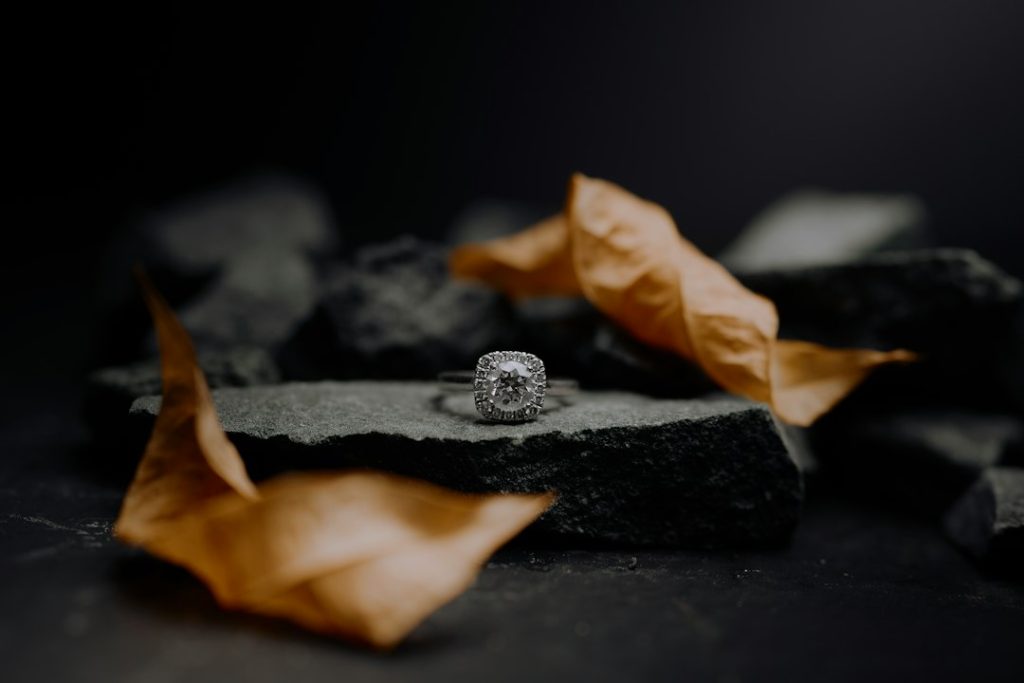
Halo settings have enjoyed enduring popularity for decades, offering a brilliant frame for the center stone. The surrounding smaller diamonds not only amplify the main stone’s sparkle but also create the visual effect of a larger carat weight. The design’s adaptability allows for various interpretations, from classic circles to more intricate shapes.
The halo setting is a perennial favorite, celebrated for its ability to maximize sparkle and enhance the visual presence of the center gemstone. Surrounding the main stone with a tightly set circle of smaller diamonds creates a luminous border that amplifies brilliance and can make the center stone appear significantly larger. This effect adds an undeniable wow factor to the ring. Beyond the sparkle, the halo can also offer a degree of protection to the center stone’s girdle. The versatility of the halo design allows for numerous creative interpretations, ensuring its continued relevance and appeal.
Classic Round Halo: Maximum Sparkle
⚖️ Center Stone Shapes: Most commonly round brilliant, but works with others
🔋 Aesthetic: Brilliant, classic, timeless
👍 Pros
- Maximizes brilliance from both center and accent stones.
- The circular halo is universally flattering.
- Pairs beautifully with most diamond shapes.
👎 Cons
- Accent stones are exposed and can be chipped.
- Resizing can be difficult.
The classic round halo is perhaps the most popular iteration of the halo setting. Its circular symmetry enhances the brilliance of a round center stone, creating a captivating ‘flower’ effect. This design is particularly effective at making smaller center stones appear more substantial.
The classic round halo setting is a quintessential choice for those seeking maximum sparkle and a timeless aesthetic. This design encircles the center gemstone, typically a round brilliant cut, with a delicate ring of smaller diamonds. The effect is a dazzling expansion of light, making the center stone appear larger and more brilliant. The symmetrical nature of the round halo offers a universally flattering look, exuding classic elegance and enduring appeal. It’s a design that consistently delivers visual impact and sophisticated charm, suitable for any engagement.
Cushion Halo: A Softer, Romantic Glow
⚖️ Center Stone Shapes: Works well with cushion cuts, but also rounds and others
🔋 Aesthetic: Romantic, vintage-inspired, soft sparkle
👍 Pros
- Offers a softer, more romantic sparkle than a round halo.
- Complements cushion-cut center stones beautifully.
- Can add a vintage or art deco feel.
👎 Cons
- The rounded corners of the halo might slightly reduce the perceived size compared to a sharp halo.
- Accent stones are still vulnerable.
A cushion halo features a halo that mimics the rounded square shape of a cushion-cut diamond. This creates a softer, more romantic appearance compared to the sharp edges of a round halo. It’s an excellent choice for those who love vintage aesthetics or prefer a less angular look.
Opting for a cushion halo introduces a layer of romantic softness and vintage allure to the engagement ring. Unlike the sharp, defined edges of a round halo, the cushion halo follows the gently rounded square shape of the diamond, creating a more fluid and organic frame. This design is particularly enchanting when paired with a cushion-cut center stone, amplifying its inherent romantic glow. It’s a choice that speaks to a timeless sensibility, blending vintage charm with the captivating brilliance that halo settings are known for, offering a distinctive and heartfelt statement.
Bezel Settings: Contemporary Security with Vintage Flair
⚖️ Metal Options: Platinum, Gold
🔋 Durability: Excellent security, protects gemstone edges
👍 Pros
- Provides maximum security for the gemstone.
- Smooth, snag-free surface ideal for active lifestyles.
- Offers a sleek, modern aesthetic with vintage undertones.
- Can make stones appear slightly larger or smaller depending on bezel width.
👎 Cons
- Can slightly obscure the gemstone’s facets, potentially reducing brilliance.
- Resizing is typically not possible without remaking the bezel.
- Less traditional for some, though gaining popularity.
Bezel settings offer unparalleled security by fully encasing the gemstone’s girdle within a rim of metal. This design not only protects the stone from impacts and snags but also provides a clean, continuous look. While it minimizes brilliance compared to prong settings, its durability and distinctive style make it a timeless choice.
The bezel setting is a standout choice for its exceptional blend of contemporary security and timeless appeal. Encircling the gemstone with a continuous band of metal, it offers maximum protection against chips, scratches, and daily wear. This robust design makes it particularly well-suited for active individuals or those who prefer a minimalist, snag-free aesthetic. While the metal rim may slightly obscure the gemstone’s edges, potentially muting some brilliance, it also creates a bold, defined look that is both modern and possesses a subtle vintage charm. The security offered by a bezel setting is virtually unmatched, ensuring the treasured gemstone remains safe for a lifetime.

Full Bezel: Maximum Protection
⚖️ Security: Highest level of protection
🔋 Aesthetic: Bold, modern, clean lines
👍 Pros
- Superior protection against damage and loss.
- Smooth, snag-free surface is ideal for active hands.
- Creates a defined, contemporary look.
👎 Cons
- Can significantly reduce the amount of light entering the stone, impacting brilliance.
- Not suitable for resizing.
- May make the center stone appear slightly smaller than a prong setting.
A full bezel provides complete encirclement of the gemstone, offering the ultimate safeguard. This is the most secure type of bezel setting, making it a practical choice for gemstones that are particularly delicate or for individuals with very hands-on professions. The clean, solid metal border is a defining characteristic.
The full bezel setting represents the zenith of gemstone security in engagement rings. This design completely envelops the perimeter of the gemstone with a continuous metal rim, offering unparalleled protection against impacts, scrapes, and daily wear. It’s the quintessential choice for those prioritizing durability and peace of mind, especially individuals with highly active lifestyles or professions that put hands-on use at a premium. The bold, clean lines of a full bezel lend a distinctly modern and minimalist aesthetic, though potential wearers should note that the surrounding metal can subtly diminish the stone’s brilliance compared to open-setting alternatives.
Partial Bezel: A Delicate Embrace
⚖️ Security: Good, with more light exposure than full bezel
🔋 Aesthetic: Modern, minimalist, with a lighter feel
👍 Pros
- Offers enhanced security compared to prongs, while allowing more light.
- Provides a modern, minimalist look.
- Less risk of snagging than traditional prong settings.
👎 Cons
- Less secure than a full bezel.
- Can be less common than other setting types.
- Resizing can still be problematic.
Partial bezels, sometimes called U-prong or C-prong settings, use metal tabs or arcs to secure the gemstone, often leaving more of the stone exposed to light than a full bezel. This offers a balance between security and brilliance, with a distinctly modern aesthetic.
A partial bezel setting strikes an elegant balance between the ultimate security of a full bezel and the light-maximizing potential of prong settings. In this design, metal tabs or arcs partially embrace the gemstone, offering enhanced protection while allowing more light to enter and interact with the stone’s facets. This results in a brighter sparkle compared to a full bezel, combined with a cleaner, more minimalist aesthetic than traditional prong settings. Partial bezels are an excellent choice for those seeking a modern look with increased durability and a reduced risk of snagging, making them a practical yet stylish option.
Tension Settings: Modern Edge with a Timeless Twist
⚖️ Metal Options: Strong metals like platinum, titanium, or robust gold alloys
🔋 Durability: High security if crafted correctly, but metal choice is critical
👍 Pros
- Creates a dramatic ‘floating’ illusion for the gemstone.
- Sleek, minimalist, and modern design.
- Excellent security due to the tension grip.
👎 Cons
- Requires precise craftsmanship and strong metal.
- Resizing is impossible.
- Not suitable for all gemstone shapes or sizes.
- Can be susceptible to damage if the metal is bent or weakened.
Tension settings are characterized by their unique design, where the gemstone is held securely between opposing pressure points on the metal band. This creates a visually striking effect of the stone seemingly floating in mid-air. The integrity of the setting relies heavily on the precision engineering and the inherent strength of the chosen metal.
Tension settings offer a bold, contemporary statement with a design that seems to defy gravity. The gemstone is held firmly in place not by prongs or bezels, but by the engineered tension of the metal band itself, creating a dramatic illusion of the stone floating. This minimalist approach highlights the gemstone’s brilliance and form in a uniquely modern way. Crafted from strong, resilient metals like platinum or specialized gold alloys, tension settings provide remarkable security. Their sleek, clean lines ensure they remain a timeless choice for those seeking cutting-edge design paired with enduring elegance.

The Illusion of Floating Diamonds
⚖️ Setting Mechanism: Precise metal tension and grooves
🔋 Aesthetic Goal: Maximum focus on the gemstone’s beauty
👍 Pros
- Strikingly modern and unique appearance.
- Unobstructed view of the gemstone’s sides and pavilion.
- Provides excellent light return.
👎 Cons
- Requires specialized jewelers for creation and any potential (rare) servicing.
- The metal tension must be maintained for security.
The “floating” effect in tension settings is achieved through meticulous engineering. Tiny grooves on the inside of the metal band hold the gemstone’s edges, while the band’s natural springiness applies constant pressure, securing the stone. This creates a minimalist design where the metal framework is almost invisible.
The hallmark of a tension setting is its captivating illusion of a floating gemstone. This design achieves a spectacular visual effect where the diamond or gemstone appears suspended within the band, seemingly held by invisible forces. The ingenious construction relies on precisely engineered grooves within the metal and the band’s inherent tension to secure the stone, creating an unobstructed view that maximizes light entry and brilliance. This minimalist approach, focusing solely on the stone’s beauty, offers a distinctly modern and sophisticated aesthetic that remains timeless in its impact.
Considerations for Setting Security
⚖️ Metal Choice: Platinum, titanium, or high-quality gold alloys are essential
🔋 Maintenance: Avoid resizing or excessive force that could compromise tension
👍 Pros
- When properly executed, offers excellent security.
- Reduces snagging compared to prong settings.
- Modern and clean appearance.
👎 Cons
- Improper craftsmanship or metal fatigue can lead to stone loss.
- Any alteration, like resizing, is impossible without compromising the setting.
- Requires specific jeweler expertise for any servicing.
The security of a tension setting is paramount and depends heavily on the quality of the metal and the precision of its construction. Using strong, resilient metals is non-negotiable, as they must withstand constant pressure without deforming. Jewelers specializing in tension settings possess the expertise to ensure the stone is set securely and to advise on care, such as avoiding activities that could bend the band.
While tension settings offer a mesmerizing aesthetic, their security hinges on meticulous craftsmanship and the choice of robust materials. The inherent tension required to hold the gemstone securely demands the use of strong metals like platinum or specialized, high-grade gold alloys capable of maintaining their structural integrity under constant stress. Jewelers experienced in this unique setting style ensure the gemstone is perfectly seated within precisely engineered grooves. It is crucial for owners to understand that resizing is not feasible, as any alteration could disrupt the delicate balance of tension, potentially compromising the stone’s security. Proper care and avoiding forceful impacts are key to ensuring the longevity and safety of a tension-set ring.
East-West Settings: A Contemporary Classic
⚖️ Popular Cuts: Oval, emerald, marquise, pear
🔋 Aesthetic: Unique, modern, elongating effect
👍 Pros
- Offers a unique and modern twist on traditional settings.
- Can make fingers appear longer and slimmer.
- Provides a distinctive style statement.
👎 Cons
- Some cuts (e.g., emerald, marquise) may be more vulnerable on their side.
- Less traditional, may not appeal to everyone.
- Finding matching wedding bands can sometimes be challenging.
East-west settings orient the center gemstone horizontally across the finger, contrary to the traditional vertical placement. This orientation offers a fresh, contemporary perspective, particularly popular with elongated stone shapes like ovals, emeralds, and marquises. It creates a distinctive look that stands out.
The East-West setting offers a chic and contemporary reinterpretation of traditional engagement ring design. By orienting the center gemstone horizontally across the finger, rather than the conventional vertical alignment, it creates a unique and eye-catching aesthetic. This setting style is particularly striking with elongated diamond shapes such as ovals, emerald cuts, and marquises, enhancing their distinctive lines and often creating a flattering elongating effect on the finger. It’s a choice for the modern individual who appreciates classic beauty but desires a distinctive style statement that feels fresh and current.
Stylistic Considerations for Oval and Emerald Cuts
⚖️ Setting Benefit: Elongates the finger, modern look
🔋 Potential Issue: Emerald cuts’ corners can be more exposed
👍 Pros
- Oval cuts appear larger and more brilliant in this orientation.
- Emerald cuts offer a sophisticated, step-cut allure.
- Both shapes create a distinctive silhouette.
👎 Cons
- Emerald cut corners require careful setting for protection.
- The horizontal setting might not be as universally perceived as ‘traditional’.
Oval and emerald cuts are particularly well-suited for the East-West setting. The oval’s elongated shape naturally complements the horizontal orientation, often appearing larger and more dramatic. Emerald cuts, with their step facets and clean lines, present a sophisticated, architectural look when set this way, though their corners need consideration for protection.
Oval and emerald cut diamonds lend themselves exceptionally well to the East-West setting, showcasing their unique beauty in a novel way. An oval diamond, when oriented horizontally, can appear strikingly large and elegantly elongated, creating a sophisticated silhouette. Emerald cuts, known for their distinctive step facets and linear appearance, offer a refined, almost architectural presence in this setting. While the overall look is undeniably modern and chic, it’s worth noting that the corners of an emerald cut, or any step-cut diamond, may require careful setting considerations to ensure optimal protection against potential chipping.
Making a Statement with Understated Elegance
⚖️ Design Philosophy: Focus on clean lines and stone shape
🔋 Wearability: Generally good, depending on stone shape vulnerability
👍 Pros
- Distinctive without being ostentatious.
- Highlights the unique beauty of the chosen gemstone shape.
- Pairs well with various band styles.
👎 Cons
- May require a slightly wider band to balance the horizontal stone.
- Certain gemstone shapes might be more prone to damage in this orientation.
The East-West setting achieves a powerful style statement through understated elegance. Its uniqueness lies in its subtle deviation from convention, allowing the beauty and shape of the gemstone to be the primary focus. This approach ensures the ring is both memorable and timelessly chic.
The East-West setting masterfully achieves a statement look through quiet sophistication. Its unique appeal lies not in overt embellishment, but in its subtle subversion of traditional norms. By positioning the gemstone horizontally, the design draws attention to the stone’s inherent shape and character, offering a fresh perspective on classic beauty. This orientation often creates an elongating effect on the finger, contributing to an overall sense of refined elegance. It’s a choice that speaks volumes through its distinctive yet understated style, making it a truly memorable and timeless piece.
Cathedral Settings: Adding Height and Drama
⚖️ Metal Options: Platinum, Gold
🔋 Durability: Good, but height can increase vulnerability
👍 Pros
- Elevates the center stone, enhancing its visibility and presence.
- Creates a dramatic, stately appearance.
- Adds structural interest to the band.
👎 Cons
- The raised setting can be more prone to snagging or impact.
- May sit higher on the finger, which might not suit everyone.
- Can be more difficult to find perfectly matching, low-profile wedding bands.
Cathedral settings are defined by the metal “arches” that rise from the band to hold the center stone, resembling the architecture of a cathedral. This design feature elevates the gemstone, giving it prominence and creating a sense of grandeur. While visually stunning, the increased height requires careful consideration for daily wear.
Cathedral settings bring an element of architectural grandeur and dramatic flair to engagement rings. Characterized by metal arches that rise elegantly from the band to support the center stone, this design elevates the gemstone, drawing significant attention to its sparkle and beauty. This added height not only enhances the center stone’s presence but also lends a stately, sophisticated air to the entire ring. While visually impressive, the raised profile of a cathedral setting means the center stone might be more exposed to potential impacts, requiring mindful wear, especially for those with very active lifestyles.
The Architectural Appeal of Cathedral Bands
⚖️ Visual Impact: Creates height, prominence, and a sense of structure
🔋 Suitability: Ideal for showcasing larger or more significant center stones
👍 Pros
- Makes the center stone appear larger and more elevated.
- Adds visual interest and complexity to the ring’s profile.
- Gives the ring a more substantial feel.
👎 Cons
- Higher profile can increase the risk of knocking the ring.
- May require custom-designed or carefully selected wedding bands to sit flush.
The architectural design of cathedral settings is their defining feature. The rising metalwork provides a secure and visually appealing mount for the center stone, creating height that draws the eye. This feature makes cathedral settings particularly effective for maximizing the impact of a chosen diamond or gemstone.
The architectural prowess of cathedral bands lies in their distinctive rising metalwork, which forms elegant arches to cradle the center gemstone. This design choice intentionally elevates the stone, bestowing upon it a commanding presence and enhancing its perceived size and brilliance. The structural elements add a layer of visual sophistication, giving the ring a more substantial and commanding profile. This inherent drama makes cathedral settings a powerful choice for showcasing significant center stones, ensuring the ring makes a memorable and lasting impression with its stately elegance.
Showcasing Center Stones
⚖️ Setting Height: Creates ample space for light to enter
🔋 Aesthetic: Emphasizes the center stone’s beauty and quality
👍 Pros
- Allows maximum light exposure for brilliance.
- The elevated position makes the stone more noticeable.
- Draws focus effectively to the central gem.
👎 Cons
- The raised stone is more susceptible to impacts.
- May require more frequent cleaning around the elevated setting.
Cathedral settings excel at showcasing the center stone. By raising it significantly above the band, they allow light to enter the gemstone from multiple angles, maximizing its sparkle and fire. This elevation also ensures the gemstone is the undeniable focal point of the ring.
Cathedral settings are expertly designed to place the center stone in the spotlight, ensuring maximum visibility and dazzling sparkle. By elevating the gemstone significantly above the band, these settings allow light to flood in from all angles, unlocking the stone’s full potential for brilliance and fire. This dramatic elevation ensures that the primary gem becomes the undeniable focal point, commanding attention and admiration. The inherent structure of the cathedral setting enhances not only the visual impact but also the perceived value and significance of the engagement ring.
Flush/Gypsy Settings: Understated, Practical Chic
⚖️ Metal Options: Primarily gold and platinum
🔋 Durability: Extremely high; stones are very protected
👍 Pros
- Exceptional durability and protection for the gemstone.
- Completely smooth, snag-free surface.
- Minimalist, modern, and understated aesthetic.
👎 Cons
- Gemstone brilliance can be significantly reduced due to lack of light exposure.
- Resizing is typically impossible.
- Less traditional appeal for an engagement ring.
Flush or gypsy settings, where gemstones are set directly into the metal band with minimal or no elevation, offer unparalleled durability and a sleek, minimalist profile. This setting style is extremely practical, making it ideal for individuals who are very hard on their jewelry or prefer an understated look.
The flush or gypsy setting offers the ultimate in understated practicality and minimalist chic. In this design, gemstones are set directly into the metal band, sitting level with or slightly recessed below the surface. This creates an exceptionally smooth and snag-free profile, providing maximum protection for the stones against impacts and daily wear. While this setting style significantly prioritizes durability and a clean aesthetic over gemstone brilliance, its robust nature makes it a supremely practical choice for those seeking a ring that can withstand an active lifestyle with minimal worry.
Minimalist Appeal and Durability
⚖️ Key Benefit: Highly resistant to damage and snagging
🔋 Ideal Use: Everyday wear, active lifestyles, alternative engagement rings
<
👍 Pros
- Extremely durable and low-maintenance.
- Sleek design minimizes snagging.
- Perfect for those who prefer subtle elegance.
👎 Cons
- Can significantly reduce the gemstone’s sparkle.
- Limited design options compared to other settings.
The minimalist appeal of flush settings is directly linked to their robust durability. By embedding the stones, the design eliminates protruding elements, ensuring a smooth surface that is highly resistant to damage. This makes them a practical yet stylish option, especially for alternative engagement ring styles.
The minimalist allure of flush settings is intrinsically tied to their exceptional durability and practicality. By embedding gemstones directly within the metal band, these settings create a sleek, unadorned surface that is remarkably resilient to the rigors of daily life. The absence of protruding elements dramatically reduces the risk of snagging on clothing or other objects, ensuring a smooth and comfortable wear. This robust simplicity makes flush settings an ideal choice for individuals who appreciate understated elegance and require a ring that can effortlessly keep pace with an active lifestyle.
How to Choose Your Forever Ring Setting: Expert Considerations for 2026
Selecting the perfect engagement ring setting is a deeply personal journey. Beyond aesthetics, practical considerations play a vital role in ensuring your chosen ring remains a cherished symbol for years to come.
Assessing Your Lifestyle: Durability and Daily Wear
Consider your daily activities. If you lead an active life, work with your hands, or engage in sports, settings that offer maximum gemstone protection, such as bezels or channel settings, might be the most practical choice. Solitaire settings, while classic, expose the center stone more, requiring careful wear.
Matching the Setting to Your Chosen Diamond or Gemstone
The shape and cut of your diamond or gemstone should inform your setting choice. For instance, princess cuts benefit from protective corner settings, while elongated shapes like ovals and emeralds can be striking in East-West settings. Delicate gemstones might require secure settings like bezels or channels.
Budget Considerations: Investing in Timeless Value
While settings themselves don’t vary drastically in price compared to the center stone, some intricate settings like micro-pavé or those with extensive metalwork can increase the overall cost. Consider how the setting impacts the perceived size and brilliance of the stone, which can influence perceived value.
Personal Style: Reflecting Your Unique Taste
Ultimately, the best setting is one that resonates with your personal style. Whether you lean towards classic simplicity, modern minimalism, vintage charm, or bold statements, there’s a timeless setting to match. Don’t be afraid to mix and match elements or explore less conventional, yet enduring, styles.
The Importance of Metal Choice: Platinum, Gold, and Beyond
The metal of your ring significantly impacts its durability, appearance, and maintenance. Platinum is highly durable, naturally hypoallergenic, and maintains its color. Gold (white, yellow, rose) is also durable, though white gold requires periodic re-plating to maintain its bright white finish. Consider which metal best suits your skin tone, lifestyle, and aesthetic preferences.
Expert Insights & Common Pitfalls to Avoid When Selecting a Timeless Engagement Ring Setting
Navigating the world of engagement ring settings involves understanding expert advice and being aware of common mistakes that can lead to regret.
Why “Trendy” Settings Often Fail to Endure
Settings that rely heavily on current fashion trends—like overly elaborate or unusually shaped halos, or extremely niche designs—may lose their appeal over time. Timeless settings are those with classic proportions and functional elegance that transcend seasonal styles.
The Hidden Costs of Certain Setting Styles
While the setting’s cost is secondary to the center stone, some styles can incur hidden costs. For example, resizing a pavé or channel set band can be complex and expensive. Settings that require highly specialized craftsmanship may also carry a premium price tag.
What Jewelers Won’t Tell You About Setting Longevity
Some jewelers may not fully elaborate on the long-term maintenance or potential vulnerabilities of certain settings. For instance, the long-term security of micro-pavé or the potential for a high-set cathedral ring to snag requires honest discussion. Always ask detailed questions about durability and care.
Ensuring Your Setting Complements Your Finger Shape
A ring setting can dramatically alter the appearance of your finger. For example, elongated settings like East-West or tall cathedral settings can make fingers appear longer. Solitaire settings are universally flattering, while wider bands might suit broader fingers. Consider how the proportions of the setting will harmonize with your hand shape.
Real-World Examples: Iconic Timeless Engagement Ring Settings Through the Years
History is replete with examples of engagement rings whose settings have become iconic, setting standards for timeless beauty.
Royal Engagements: A Legacy of Enduring Styles
From Princess Diana’s famous sapphire surrounded by diamonds (a type of halo) to Grace Kelly’s stunning three-stone Cartier ring, royal engagements often showcase settings that emphasize classic elegance and enduring symbolism. These choices consistently favor styles that stand the test of time.
Celebrity Picks: Modern Icons of Classic Settings
Many celebrities opt for settings that are both glamorous and timeless. Solitaires, elegant halos, and sophisticated three-stone rings remain popular choices, demonstrating their universal appeal and ability to make a significant statement without being overly trendy.
Influencers’ Choices: What’s Trending in Timeless Design for 2026
While influencers often reflect current trends, the most enduring choices within the influencer sphere are those that blend modern sensibilities with classic design principles. Unique solitaire variations, refined East-West settings, and updated cathedral styles are gaining traction, proving that timelessness can incorporate contemporary flair.
Frequently Asked Questions About Timeless Engagement Ring Settings for 2026
Q1: Which engagement ring setting is the most durable?
A: Generally, bezel and channel settings offer the highest level of durability and gemstone protection due to the metal surrounding or protecting the stones. Flush/gypsy settings are also extremely durable.
Q2: Which setting makes a diamond look the largest?
A: Halo settings are renowned for making the center stone appear larger due to the surrounding diamonds that create a bigger visual surface area. Some solitaire settings, particularly with lower profile settings, can also maximize the visible surface of the diamond.
Q3: Is a solitaire setting truly timeless?
A: Absolutely. The solitaire setting is the epitome of timeless elegance. Its simplicity and focus on the center stone ensure it never goes out of style and can be beautifully paired with any wedding band.
Q4: What are the pros and cons of pavé settings?
A: Pros include enhanced sparkle and a luxurious appearance. Cons involve the potential for small accent stones to loosen or be lost over time, and challenges with resizing.
Q5: Should I choose a setting based on my lifestyle?