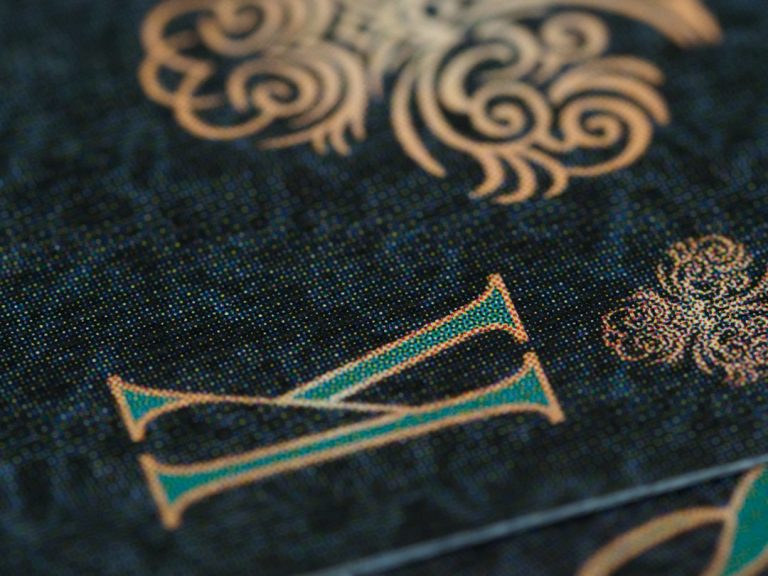
The choice of paper for wedding invitations is a critical decision, setting the tone for the entire event. Beyond aesthetics and wording, the tactile and visual qualities of the paper itself—especially the coveted deckled edge—can significantly elevate the perceived value and personality of your stationery. This 2026 guide dives deep into the comparison between cotton rag paper and cardstock, focusing on their respective abilities to achieve that sought-after artisanal, deckled edge look. We’ll dissect their core differences, explore the allure of the deckled edge, compare them head-to-head, and offer practical advice for making the best choice for your special day.
Understanding the Core Differences: Cotton Rag vs. Cardstock
At their heart, cotton rag paper and cardstock are distinct materials, each with unique origins, properties, and aesthetic outcomes. Understanding these fundamental differences is the first step in appreciating their capabilities for creating a deckled edge effect.
Cotton Rag Paper: The Artisanal Choice for Deckled Edges
Cotton rag paper is crafted from cotton linters or fabric scraps, a process that yields a paper with unparalleled softness, durability, and a distinct texture. Its fibers are longer and more resilient than wood pulp, contributing to its luxurious feel and exceptional longevity. Traditionally, the deckled edge—a feathered, uneven border—is a natural byproduct of the papermaking process, particularly when using a mold and deckle. This artisanal origin inherently lends itself to the organic, imperfect beauty of a deckled edge, making cotton rag the purist’s choice for this aesthetic.
Cotton Rag Paper Pros
- Exceptional softness and a luxurious tactile feel.
- Inherent beauty and authenticity of a natural deckled edge.
- High durability and resistance to yellowing/degradation over time.
- Environmentally friendly, often made from recycled cotton scraps.
Cotton Rag Paper Cons
- Significantly higher cost compared to standard cardstock.
- Can be more delicate to handle during printing and assembly if not careful.
- Limited availability in certain specialized finishes or weights.
Cardstock: The Versatile and Accessible Option
Cardstock, typically made from wood pulp, is a stiffer, more rigid paperboard. It’s known for its versatility, wide availability, and generally lower cost. While cardstock doesn’t naturally produce a feathered deckled edge in its standard manufacturing, its properties allow for various methods to simulate or achieve a similar aesthetic, often through cutting or intentional distressing.
Cardstock Pros
- Cost-effective and widely available in numerous colors, finishes, and weights.
- Durable and holds up well to printing and handling.
- Easier to work with for DIY projects and various printing techniques.
- Can effectively mimic a deckled edge through specific techniques.
Cardstock Cons
- Lacks the inherent softness and luxurious feel of cotton rag.
- A simulated deckled edge may not possess the same authentic charm as a natural one.
- Can be more prone to yellowing or degradation over very long periods compared to cotton rag.
- Environmental impact can be higher if not sourced sustainably.
| Feature | Cotton Rag Paper | Cardstock |
|---|---|---|
| Material Origin | Cotton linters or fabric scraps | Wood pulp |
| Texture & Feel | Soft, slightly textured, luxurious | Smooth to slightly textured, firm |
| Natural Deckled Edge | Yes, inherent to the papermaking process | No, typically requires artificial creation |
| Durability | Excellent, resistant to aging | Good, but can yellow over time |
| Cost | High | Moderate to Low |
| Printability | Excellent, requires careful handling | Excellent, versatile |
| Environmental Impact | Often high, uses recycled materials | Variable, depends on sourcing |
The Allure of the Deckled Edge Aesthetic: Why It Matters for Your Wedding Invitations
The deckled edge, with its organic, imperfect border, evokes a sense of history, craftsmanship, and understated luxury. It’s a detail that whispers rather than shouts, appealing to couples seeking a wedding invitation that feels personal, romantic, and timeless.
Defining the Deckled Edge: Authenticity and Imperfection
A true deckled edge is created during the papermaking process when the pulp meets the edge of the mold, resulting in a feathered, slightly irregular border. This “water-stained” edge is a mark of authenticity, signifying a handmade or artisanal quality. It stands in contrast to the sharp, machine-cut edges found on most commercially produced paper. The beauty lies in its imperfection; it’s a deliberate departure from geometric precision, embracing a more natural, artistic feel.

How Each Paper Type Contributes to the Deckled Look
Cotton rag paper, by its very nature, lends itself beautifully to the deckled edge. The long cotton fibers naturally form the characteristic feathered border when the paper is formed and dried. When a deckled edge is desired on cardstock, it’s typically achieved through alternative methods. This might involve a specialized cutting process that scores and tears the edge, or even manual distressing techniques. While these methods can create a visually similar effect, the tactile experience and inherent authenticity differ from a true, naturally formed deckled edge.
Visual Comparison: Cotton Rag vs. Cardstock Deckled Edge Invitations
Seeing is believing when it comes to the nuanced differences between cotton rag and cardstock deckled edges. The visual and tactile cues offer distinct impressions.
Case Study 1: Cotton Rag Invitations with Natural Deckled Edges
Imagine an invitation printed on thick, creamy cotton rag paper. The edges are soft, slightly uneven, and possess a gentle, organic wave. When held, the paper feels substantial yet supple. The ink appears to sit slightly on the surface, with the fibers adding a subtle texture that enhances the printed design. This is the epitome of rustic elegance or understated luxury, perfect for a romantic, vintage, or fine art-inspired wedding. The deckled edge here isn’t just a border; it’s an integral part of the paper’s identity and the invitation’s charm.

Case Study 2: Cardstock Invitations – Achieving a Faux Deckled Edge
Now, consider an invitation printed on high-quality cardstock where the edges have been deliberately cut or torn to mimic a deckled effect. The result can be visually striking, especially from a distance. The “deckled” edge might appear sharper or more uniform in its irregularity than a natural deckled edge. While impressive, it may lack the deep, feathery softness and the intrinsic artisanal story of cotton rag. This approach is excellent for couples who love the deckled aesthetic but are working within a tighter budget or have specific design requirements best met by cardstock’s versatility.
Key Considerations for Your Wedding Invitation Paper Choice
Beyond the deckled edge, several practical factors influence the choice between cotton rag and cardstock.
| Consideration | Cotton Rag Paper | Cardstock |
|---|---|---|
| Durability and Longevity | Superior. Highly resistant to yellowing and degradation, making it ideal for keepsakes. The strong fibers ensure it withstands handling well over decades. | Good. Standard cardstock is durable for everyday use but may show signs of aging (yellowing, brittleness) over extended periods without proper archival storage. Premium, acid-free cardstocks offer better longevity. |
| Printability and Ink Compatibility | Excellent, though requires printers experienced with softer, thicker papers. Ink adheres beautifully, often with a slightly raised effect. Digital printing is common; letterpress and engraving yield stunning results. | Highly versatile. Works well with virtually all printing methods, including digital, offset, letterpress, engraving, and foil stamping. Ink absorption is predictable and generally straightforward. |
| Cost Analysis | The premium choice. Typically ranges from $2.00 to $5.00+ per invitation suite, significantly impacting overall stationery budget. Pricing reflects the specialized material and manufacturing. | The budget-friendly option. Can range from $0.50 to $2.50 per invitation suite. Offers significant savings, especially for large guest lists. |
| Environmental Impact and Sustainability | Generally positive. Often made from recycled cotton textile waste, reducing landfill burden. The process can be less water-intensive than wood pulp papermaking. | Variable. Depends heavily on sourcing. Look for FSC-certified or recycled content options. Traditional wood pulp production can be resource-intensive. |
| Sourcing and Availability in 2026 | Widely available from specialty paper merchants and online stationery vendors. Lead times might be slightly longer for custom orders. Established brands like Crane & Co. and G. Lalo are reputable. | Ubiquitous. Available from virtually all paper suppliers, print shops, and craft stores. Standard options are readily available with minimal lead time. |
Durability and Longevity: Which Paper Holds Up Best?
Cotton rag paper is renowned for its archival quality. Its cotton fibers are naturally acid-free and lignin-free, preventing the yellowing and brittleness that can affect wood-pulp papers over time. This makes it an exceptional choice if you envision your invitations as lasting mementos. Cardstock, while generally durable, can vary. High-quality, acid-free cardstock can also be long-lasting, but standard versions are more susceptible to degradation compared to cotton rag.
Printability and Ink Compatibility
Both paper types offer excellent printability, but with nuances. Cotton rag’s softer texture can require printers to adjust settings for optimal ink laydown, especially for intricate designs. Letterpress and engraving produce particularly beautiful results on cotton rag, as the soft fibers yield to the impression. Cardstock is a printer’s workhorse, accommodating a vast range of printing techniques, from digital and offset to foil stamping and embossing, with consistent results.
Cost Analysis: Budget Implications of Cotton Rag vs. Cardstock
This is often the deciding factor. Cotton rag paper is a luxury material, and its cost reflects that, often doubling or tripling the price of invitations compared to cardstock. Expect cotton rag invitation suites to range from $2.00 to $5.00+ each, while comparable cardstock invitations might cost $0.50 to $2.50 each. This difference is substantial for larger wedding guest lists.
Environmental Impact and Sustainability
Cotton rag paper often has a favorable environmental profile, particularly when made from recycled cotton remnants, diverting textile waste from landfills. Cardstock’s impact is more varied; choosing options with high recycled content or certifications like FSC (Forest Stewardship Council) can significantly improve their sustainability. The production of virgin wood pulp paper can be resource-intensive.
Sourcing and Availability in 2026
High-quality cardstock is universally available, making it easy to source quickly from local print shops or large online retailers. Cotton rag paper is also readily accessible through dedicated stationery and fine paper suppliers, both online and in select physical stores. However, lead times for specialty cotton rag orders might be slightly longer.
Achieving the Perfect Deckled Edge: DIY Techniques and Professional Services
Whether you opt for cotton rag or cardstock, there are ways to achieve the deckled edge aesthetic.
DIY Methods for Creating Deckled Edges on Cardstock
For cardstock, a DIY deckled edge can be approximated using tools like a paper distresser, a ruler and craft knife to score and tear, or even by carefully tearing the paper by hand after wetting the edge. These methods require practice to achieve a consistent look but can offer a cost-effective way to get a rustic edge. However, the result is often a sharper tear rather than the soft feathering of natural cotton rag.

When to Invest in Professional Deckled Edge Printing
For a truly authentic and high-quality deckled edge, especially on cotton rag paper, professional printing services are recommended. Many high-end stationery printers specialize in working with cotton rag and can produce natural deckled edges. For cardstock, specialized die-cutting or edge-trimming services can create a more refined and consistent faux deckled edge than most DIY attempts. Investing professionally ensures a polished final product that aligns with the overall wedding aesthetic.
Expert Recommendations for Cotton Rag vs. Cardstock Wedding Invitations
As a seasoned reviewer, my recommendations hinge on balancing aesthetic goals with practical considerations.
Top Picks for Cotton Rag Paper Suppliers in 2026
For premium cotton rag, look to established brands known for their quality and heritage. Crane & Co. offers a range of exquisite cotton papers. G. Lalo is another excellent source for high-end stationery papers. Online specialty paper merchants like Legion Paper also carry fine cotton rag options from various mills.
Best Cardstock Options for Mimicking a Deckled Edge
When using cardstock, opt for heavier weights (90-110 lb cover) for better rigidity. Brands like Neenah (Classic Crest, Stathmore) offer excellent quality and consistency. For a slightly more textured feel that can aid in mimicking a deckled edge, consider papers with a subtle vellum or felt finish, such as French Paper’s Pop-Tone line, though achieving a truly natural deckled look without the inherent fiber structure remains a challenge.
Design Tips for Maximizing the Deckled Edge Aesthetic
Complement the deckled edge with thoughtful design. For cotton rag, embrace minimalist layouts, elegant typography, and perhaps a touch of letterpress or blind debossing to let the paper’s texture shine. If using cardstock with a faux deckled edge, ensure the design doesn’t visually compete with the edge itself. Consider botanical illustrations, watercolor elements, or calligraphy that evoke a natural, organic feel. Ensure adequate margins so the deckled edge doesn’t obscure crucial text.

Frequently Asked Questions (FAQs) about Deckled Edge Wedding Invitations
Q1: Can any invitation be made with a deckled edge?
A: True deckled edges are characteristic of cotton rag paper. Cardstock can have a simulated deckled edge created through cutting or tearing, but it’s not the same natural process.
Q2: Is cotton rag paper more expensive than cardstock?
A: Yes, significantly. Cotton rag is a premium paper type, making it a more substantial investment for wedding invitations.
Q3: Will a deckled edge make my invitations look messy?
A: Not at all. A well-executed deckled edge adds an artisanal, romantic, and sophisticated touch. It’s a deliberate aesthetic choice that enhances, rather than detracts from, the invitation’s elegance.
Q4: How durable is cotton rag paper for invitations?
A: Cotton rag is exceptionally durable and resistant to aging, making it an excellent choice for invitations intended to be kept as keepsakes.
Q5: Can I print on both cotton rag and cardstock myself?
A: Both can be printed at home with the right printer and careful handling, especially cotton rag, which may require specific printer settings. However, for the best results, professional printing is often recommended for both, particularly for achieving high-quality deckled edges.
👑 Ultimate Winner: Cotton Rag Paper
For the discerning couple prioritizing authentic, luxurious, and timeless wedding invitations, Cotton Rag Paper stands as the undisputed champion for achieving a genuine deckled edge aesthetic. Its inherent softness, archival quality, and the organic beauty of its naturally formed edges provide an unparalleled tactile and visual experience. While the higher cost is a significant consideration, for those who view invitations as the first, tangible piece of their wedding story, the investment in cotton rag paper delivers unmatched sophistication and lasting value. It is Best for couples planning a formal, romantic, fine art, or vintage-inspired wedding where every detail speaks to quality and tradition. Cardstock is an excellent, versatile, and budget-conscious alternative, particularly when professional techniques are used to simulate the deckled edge, making it ideal for couples balancing aesthetics with budget constraints or requiring specific print finishes not always optimal on cotton rag.