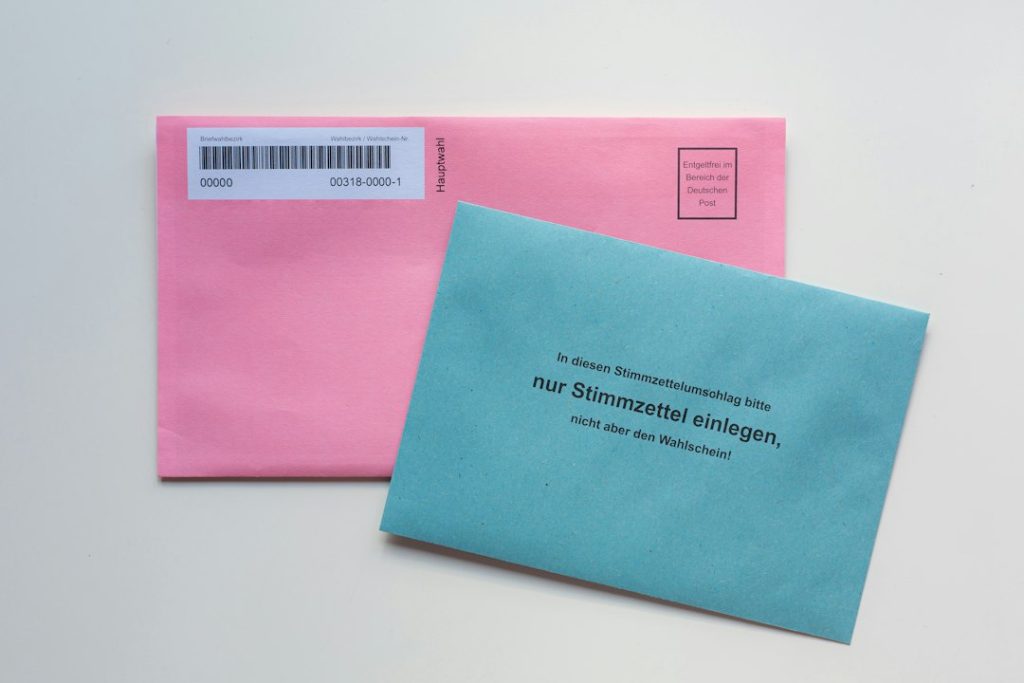
The RSVP is more than just a headcount; it’s the first tangible interaction many guests have with your wedding plans, setting the tone for communication. In 2026, couples face a crucial decision: embrace the digital wave with online RSVPs or stick to the timeless charm of mail-in reply cards. This isn’t just about aesthetics; it’s about maximizing your response rate, managing your budget, and ensuring a smooth guest experience. Let’s break down the contenders.
The Digital RSVP Revolution: Speed, Simplicity, and Savvy Tracking
Online RSVPs have surged in popularity, driven by the ubiquity of smartphones and the desire for immediate, efficient planning. Platforms now offer intuitive interfaces that allow guests to respond within minutes, often directly from their phones. For couples, this translates to real-time updates, streamlined data management, and the ability to follow up digitally with those who haven’t responded. The convenience is undeniable, appealing to a generation accustomed to digital interactions.

Top Digital RSVP Platforms for Modern Weddings (2026)
The market is brimming with sophisticated tools. Consider options like Zola, The Knot, WithJoy, and Joy. These platforms often integrate seamlessly with wedding websites, offering customizable forms that can collect not just attendance but also meal choices, plus-one information, song requests, and even accommodation needs. Many provide tiered access, allowing couples to gate specific sections of their website until a guest has RSVP’d, adding a layer of exclusivity and control.
How Digital RSVPs Boost Response Rates
The primary advantage of digital RSVPs is their immediacy. A guest receives a wedding website link or a direct RSVP link, clicks it, fills out the form, and submits. This process takes seconds. Reminders can be automated, pinging guests via email or text if they haven’t responded by a certain date. This eliminates the delay inherent in mail, where guests might misplace reply cards or simply postpone the task, leading to lower overall response rates for traditional methods. Data suggests digital methods can see response rates upwards of 80-90% within the RSVP window, compared to 60-70% for traditional mail.
Pros of Digital RSVPs
- Faster response times
- Real-time tracking and data management
- Automated reminders possible
- Reduced paper waste and postage costs
- Easy to update information (e.g., dietary restrictions)
- Often integrated with wedding websites
Cons of Digital RSVPs
- May exclude less tech-savvy guests (e.g., older relatives)
- Requires reliable internet access for guests
- Potential for digital glitches or website issues
- Less personal touch than a handwritten response
Digital Etiquette: What Guests Need to Know
Guests should be informed about the digital RSVP process clearly. This means including the wedding website URL and instructions on the invitation itself. They need to understand that their prompt response is appreciated, as it helps the couple finalize arrangements. It’s also crucial for guests to check their spam folders for confirmation emails and to ensure they submit accurate information, especially regarding plus-ones or children, as changes might be more complex to manage post-submission.
The Enduring Charm of Traditional Mail-In Reply Cards
Despite the digital surge, traditional mail-in reply cards retain a significant appeal. They offer a tangible, elegant touch that resonates with a more formal wedding aesthetic and a segment of the guest list that values tradition. The act of receiving a beautifully designed card in the mail, filling it out, and sending it back can feel more personal and considered.

Crafting Classic Reply Cards: Design and Wording That Works
The success of a mail-in RSVP hinges on its clarity and design. Invitations should clearly state the RSVP deadline and provide a pre-addressed, stamped reply card. Wording should be concise and unambiguous. For example: “Kindly respond by Date” followed by “M _________ accepts/declines with pleasure” or “Will attend” / “Cannot attend”. Clearly demarcate lines for guest names and meal choices. The quality of the cardstock and the elegance of the typography contribute to the overall impression of sophistication.
Why Traditional RSVPs Still Matter to Some Guests
For older generations or those less comfortable with technology, a physical card is often the preferred, and sometimes only, method of responding. There’s a certain tactile satisfaction and perceived security in mailing a card compared to filling out an online form. It can also feel more formal and respectful, especially for guests who view wedding invitations as significant pieces of correspondence. This segment of guests may be less likely to respond promptly, or at all, if only digital options are provided.
Pros of Traditional RSVPs
- Adds a classic, elegant touch
- Appeals to guests who prefer traditional methods
- Can feel more personal and formal
- Tangible keepsake for some couples
Cons of Traditional RSVPs
- Slower response rates and delays
- Higher costs (printing, postage, return postage)
- Manual data entry required
- Risk of cards being lost in the mail
- Less efficient for tracking and follow-ups
Traditional RSVP Etiquette: Navigating the Nuances
Traditional etiquette dictates that guests should respond by the requested date, even if they cannot attend. It’s considered impolite not to reply. Guests should fill out all requested information accurately, including the names of all attendees and any dietary restrictions or meal preferences specified. The reply card should be mailed back promptly once received, ideally within a week or two of the invitation’s arrival.
Digital vs. Traditional: A Direct Comparison for Your Wedding
Choosing between digital and traditional RSVPs involves weighing several critical factors. The ultimate goal is to get accurate numbers efficiently, but the path to achieving this differs significantly between the two methods.
| Feature | Digital RSVPs | Traditional Mail-In RSVPs |
|---|---|---|
| Response Rate | Typically 80-90%+ within deadline | Typically 60-70% within deadline |
| Speed of Response | Immediate | Delayed (mail transit, guest handling) |
| Cost | Lower (platform fees, minimal printing) | Higher (card printing, envelopes, postage, return postage) |
| Data Management | Automated, real-time | Manual entry, time-consuming |
| Guest Experience | Convenient for tech-savvy guests | Preferred by traditionalists, may exclude others |
| Environmental Impact | Lower (less paper) | Higher (paper, fuel for mail) |
| Follow-up | Easy (email, automated reminders) | Challenging (phone calls, manual lists) |
Response Rate Showdown: Which Method Gets More Replies?
In a head-to-head comparison, digital RSVPs consistently win the response rate battle. The ease of access, immediate submission, and potential for automated reminders mean that couples using digital methods are far more likely to receive responses within their desired timeframe. Traditional methods often require multiple follow-ups and a longer waiting period, impacting planning timelines.
Cost Analysis: Budgeting for Digital vs. Mail
The cost difference is substantial. While many digital RSVP platforms offer free basic tiers, premium features or integrated website services might incur a fee ($0 – $300+ depending on features). Traditional reply cards, however, involve costs for design, printing, envelopes, and postage for both sending and returning. A conservative estimate for a 100-guest wedding could range from $300 to $800+ for traditional reply cards, whereas digital solutions are often significantly cheaper, especially if utilizing free tiers or bundled wedding website packages.

Guest Experience: Ease of Use and Preference
For guests under 50, digital is almost universally preferred for its speed and convenience. However, a significant portion of the population, particularly older relatives, may struggle with or simply dislike online forms. Offering a traditional option ensures inclusivity for these guests. The “Best for” scenario here depends heavily on your guest demographic. If your wedding is largely attended by younger, tech-savvy individuals, digital is likely ideal. If a substantial number of older guests are expected, a hybrid approach becomes more attractive.
Tracking and Management: Digital’s Edge
Digital platforms excel in tracking. Responses populate a database in real-time, allowing couples to see exactly who has responded, their meal choices, and any other collected information instantly. This eliminates the need for manual data entry, reducing errors and saving immense amounts of time. Traditional methods require meticulous manual logging, which is prone to mistakes and delays, especially as the RSVP deadline approaches.
Hybrid Approaches: The Best of Both Worlds for 2026 Weddings
Recognizing the strengths and weaknesses of each method, many couples are opting for a hybrid approach. This strategy aims to capture the efficiency and reach of digital RSVPs while retaining the charm and inclusivity of traditional cards.
Seamlessly Integrating Digital and Traditional RSVPs
The most common hybrid model involves directing guests to a wedding website for RSVPs, but also including a mail-in reply card for those who prefer it or are unable to RSVP online. The invitation would clearly state: “Please RSVP by Date via our wedding website at Website URL or by returning the enclosed reply card.” This ensures maximum reach and accommodates diverse guest preferences. The key is clear communication on the invitation itself.
When to Offer Both Options
Offering both options is particularly wise if your guest list includes a mix of age groups, technological proficiencies, or geographical locations where internet access might be less reliable. It’s also a good strategy if you anticipate a significant number of international guests who might find international postage for reply cards cumbersome, but may still prefer a non-digital method. This approach minimizes the risk of alienating any segment of your guests.

Expert Insights: Maximizing Your RSVP Success in 2026
Wedding planners consistently emphasize clear communication and early action when it comes to RSVPs. Understanding common pitfalls and having strategies for handling late responses are crucial for a stress-free planning process.
Expert Tips for Success
- Set an RSVP deadline at least 2-3 weeks before your final vendor payments are due.
- Clearly state the RSVP method(s) and deadline on the invitation.
- Follow up promptly with guests who haven’t responded by the deadline.
- Keep your guest list updated and organized.
- Be prepared for plus-one changes or last-minute guest additions.
Common Pitfalls to Avoid
- Setting the RSVP deadline too close to vendor payment dates.
- Vague instructions on how to RSVP.
- Not following up with non-responders.
- Assuming guests will know the RSVP deadline or method.
- Overlooking guests who are not tech-savvy.
Avoiding Common RSVP Pitfalls
A frequent mistake is setting the RSVP deadline too late. Your caterer and venue typically require final counts several days, if not weeks, in advance. Aim to set your RSVP deadline at least two to three weeks before your final payment is due to vendors. This buffer allows time for follow-ups and adjustments without jeopardizing your bookings.
Handling Late or Missing Responses
For digital RSVPs, automated reminders are a lifesaver. For traditional cards, a polite phone call or email to the guest after the deadline is the standard approach. Have a system in place (a spreadsheet or your online RSVP tool) to track who you’ve contacted and their responses. Remember that some guests may be difficult to reach; prioritize contacting them first to get the most accurate numbers possible.
Key Etiquette Questions Answered by Planners
Q: Should I chase guests who don’t respond?
A: Yes, absolutely. It’s essential for accurate planning. Polite follow-ups are expected.
Q: What if a guest RSVPs ‘yes’ but then can’t make it?
A: This can happen. While frustrating, try to accommodate minor changes if possible, but be firm if it significantly impacts your final numbers.
Q: Do I need to account for unspoken plus-ones?
A: Generally, no. The invitation and RSVP should clearly state who is invited (e.g., “Mr. John Smith and Guest” vs. “Mr. John Smith”). Stick to what’s specified.
Q: How do I handle guests who RSVP ‘yes’ for a plus-one, but I don’t know their guest’s name?
A: Use your RSVP form (digital or traditional) to request the plus-one’s name. If they don’t provide it, you may need to follow up or list them as “Guest” for catering purposes, informing your venue.
👑 Ultimate Winner: Hybrid Approach
For the vast majority of weddings in 2026, the hybrid approach emerges as the most effective strategy. It masterfully blends the efficiency, real-time data, and broad reach of digital RSVPs with the personal touch and inclusivity of traditional mail-in cards. This dual-option system caters to diverse guest demographics, ensures higher response rates across the board, and minimizes the risk of alienating any segment of your wedding party. While purely digital can work for highly tech-centric guest lists, and traditional might suffice for very small, intimate gatherings with a uniformly older demographic, the hybrid model offers the most robust, reliable, and guest-friendly solution for maximizing RSVP success while honoring varied preferences and etiquette expectations.