🧰 Tools & Gear You’ll Need
- Understanding of printing techniques (Letterpress, Foil Stamping, Digital)
- Knowledge of paper types and weights
- Awareness of design software and capabilities
- Budgeting skills for wedding stationery
- Understanding of aesthetic goals for a wedding
- Time management for printing turnaround
- Communication skills for working with vendors
The Core Dilemma: Understanding Letterpress, Foil Stamping, and Digital Printing
Choosing your wedding invitations is more than just picking a pretty design; it’s about setting the tone for your entire celebration. In 2026, couples are faced with a dazzling array of printing options, but three stand out for their distinct appeal: Letterpress, Foil Stamping, and Digital Printing. Each offers a unique blend of texture, visual impact, and cost-effectiveness, making the choice a crucial one. Understanding the fundamental differences between these methods is the first step to selecting invitations that perfectly capture your wedding’s essence.
Letterpress: The Tactile Elegance of Impression
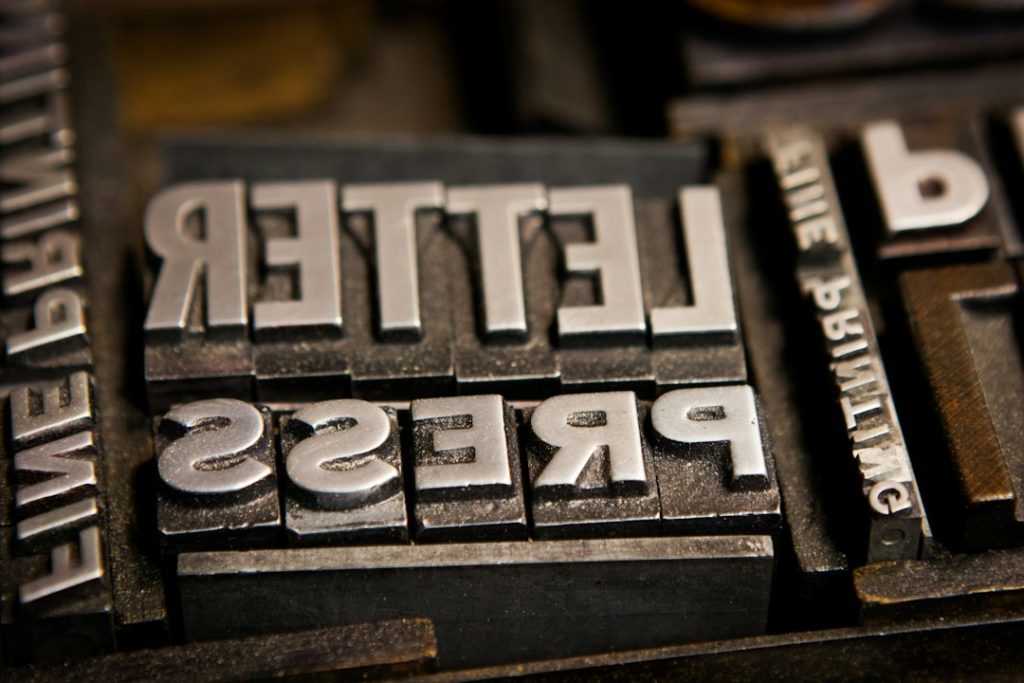
Letterpress is an ancient printing technique that has experienced a significant resurgence. It involves deeply pressing inked type or a custom plate onto thick, luxurious paper. The result is a beautiful, tactile impression, a subtle indentation that you can feel with your fingertips. This creates a sense of depth and an elegant, classic aesthetic that is hard to replicate. It’s a method that speaks to tradition and craftsmanship, offering a tangible quality that modern printing often lacks.
Foil Stamping: The Glamour of Metallic Accents
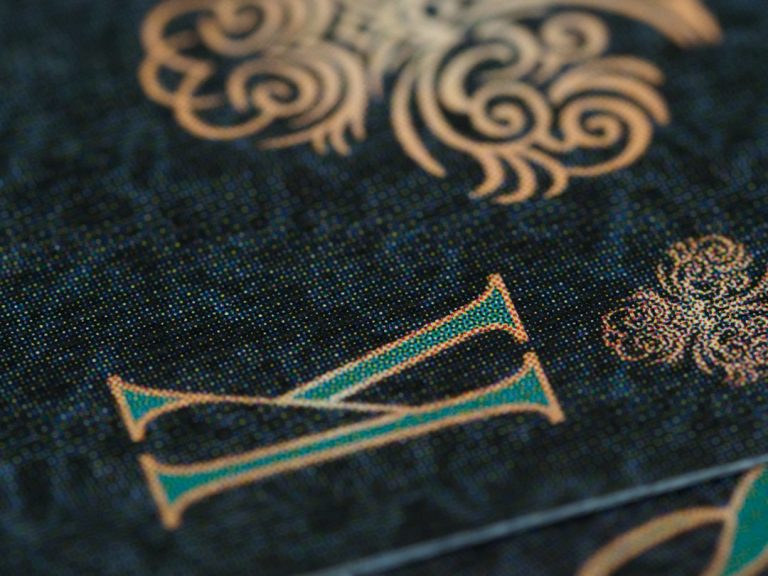
Foil stamping, also known as hot foil stamping, is all about adding a touch of glamour. This process uses heat and pressure to apply a thin, metallic or pigmented foil onto the paper’s surface. Unlike ink, foil doesn’t absorb into the paper; it sits on top, creating a brilliant, reflective accent. Whether it’s a shimmering gold, a sleek silver, or a warm rose gold, foil stamping instantly elevates an invitation, adding a luxurious and eye-catching element that catches the light beautifully.

Digital Printing: The Versatility of Modernity
Digital printing is the most modern of the three. It works much like a high-end office printer, applying ink directly onto the paper from a digital file. This method is incredibly versatile, allowing for full-color photographs, intricate gradients, and complex designs with ease. It’s also generally the most cost-effective and fastest option, making it a practical choice for couples on a tighter budget or with shorter timelines. Digital printing offers unparalleled flexibility in design possibilities.
Key Factors When Choosing Your Wedding Invitation Style
Deciding between letterpress, foil stamping, and digital printing involves more than just personal preference. Several practical factors come into play, influencing not only the look and feel of your invitations but also your overall wedding budget and timeline. By carefully considering these elements, you can make an informed decision that aligns with your vision and logistical needs.
Budget Breakdown: Cost Implications of Each Method
The cost of wedding invitations can vary significantly based on the printing method. Generally, digital printing is the most budget-friendly. It has lower setup costs and can be produced quickly. Foil stamping is typically in the mid-to-high price range, as the foil material and the specialized equipment add to the expense. Letterpress, while offering incredible tactile quality, is often the most expensive due to the custom plates, the thick paper required, and the labor-intensive process. A rough estimate for digital might be $2-$5 per invitation suite, foil stamping $7-$15+, and letterpress $8-$20+.
Aesthetic Goals: Achieving Your Dream Wedding Vision
Your wedding invitations are the first glimpse your guests get of your wedding’s style. If your vision is one of classic elegance, understated luxury, and a rich tactile experience, letterpress might be your ideal choice. For a wedding that screams glamour, sophistication, and a touch of sparkle, foil stamping will deliver that wow factor. If your wedding is modern, eclectic, or you’re incorporating vibrant colors and detailed imagery, digital printing offers the most design freedom to match your theme precisely.
Desired Tactile Experience: From Deep Impressions to Smooth Finishes
The feel of an invitation matters. Letterpress provides a deeply satisfying, three-dimensional impression that you can feel under your fingertips – it’s luxurious and substantial. Foil stamping offers a smooth, metallic sheen that catches the light and adds a visual and slight textural contrast to the paper. Digital printing, while excellent for visuals, typically results in a smooth, flat finish with no significant tactile element beyond the paper itself. Consider what kind of sensory experience you want to impart to your guests.

Urgency & Turnaround Time: When Do You Need Them?
Time is often a critical factor. Digital printing is the fastest method, with turnaround times often measured in days. Foil stamping and letterpress require more specialized processes and potentially longer lead times, especially if custom plates need to be made or if the printer is in high demand. If your wedding date is fast approaching, digital printing might be your only feasible option unless you’ve planned significantly in advance. Always confirm turnaround times with your chosen printer.
Deep Dive: Letterpress Wedding Invitations in 2026
Letterpress printing is not just a technique; it’s an art form that brings a timeless elegance to wedding invitations. Its appeal lies in its historical roots and the tangible quality it imparts, making each invitation a keepsake. In 2026, this artisanal method continues to be a top choice for couples seeking sophistication and a truly bespoke feel for their stationery.
What is Letterpress? A Closer Look at the Process
At its core, letterpress is a relief printing technique. A custom-made plate (often made from magnesium or photopolymer) is created from your digital design. This plate is then inked, and paper is pressed firmly against it. The raised areas of the plate transfer the ink to the paper, while the recessed areas do not touch the paper. The pressure used can be adjusted to create a deep, dramatic “bite” into the paper, giving letterpress its signature tactile quality. This process is typically done on thick, cotton or high-quality paper stocks, which can better withstand the pressure and highlight the impression.
The Appeal of Letterpress: Texture, Depth, and Classic Charm
The primary draw of letterpress is its unparalleled tactile elegance. The deeply debossed impression creates a sensory experience that digital printing simply cannot replicate. This depth adds a sophisticated, almost sculptural quality to the design. Coupled with the typically heavy, luxurious paper used, letterpress invitations feel substantial and exude a classic, timeless charm. It’s a choice that suggests quality, tradition, and a meticulous attention to detail, appealing to couples who appreciate fine craftsmanship.
When Letterpress Shines: Ideal Wedding Styles
Letterpress is particularly well-suited for weddings with a classic, traditional, or romantic theme. Think elegant ballroom affairs, garden weddings, or vintage-inspired celebrations. It excels with minimalist designs, clean typography, and single-color or two-color schemes where the impression itself is the star. It’s also perfect for couples who prioritize a luxurious, high-end feel and want their stationery to be a memorable part of the guest experience.
Potential Drawbacks of Letterpress: Cost and Complexity
The most significant drawback of letterpress is its cost. The creation of custom plates, the use of premium paper stocks, and the meticulous printing process all contribute to a higher price point compared to other methods. Additionally, letterpress has limitations regarding color complexity. While beautiful for solid colors, it’s not ideal for photographic imagery or intricate gradients. Turnaround times can also be longer due to the specialized nature of the process.
Deep Dive: Foil Stamped Wedding Invitations in 2026
Foil stamping brings a dazzling, luxurious touch to wedding invitations, making them shimmer and shine. This technique is perfect for couples who want to add a memorable, high-impact visual element to their stationery, elevating the perceived value and glamour of their wedding announcements.
The Magic of Foil: How Metallic Accents Transform Invitations
Foil stamping uses a heated die (a custom-engraved metal stamp) to press foil onto the paper. The heat and pressure bond the thin layer of foil to the paper’s surface, creating a crisp, reflective design element. This is different from ink, which is absorbed or sits on top of the paper. The foil lies on the surface, providing a distinct metallic luster that catches the light and adds a touch of opulence that ink alone cannot achieve.
Types of Foil and Their Impact: Gold, Silver, Rose Gold, and Beyond
The choice of foil color dramatically impacts the invitation’s overall look. Classic gold and silver offer timeless elegance, suitable for almost any wedding style. Rose gold provides a warmer, trendy metallic option. Beyond these popular choices, foils come in a vast spectrum of colors, including holographic, iridescent, matte finishes, and even textured effects. Each can lend a unique personality – from bold and modern to soft and romantic – to your invitations.

Design Considerations for Foil Stamping: Placement and Contrast
When designing with foil, placement and contrast are key. Foil works Best for highlighting specific elements like names, borders, key phrases, or intricate patterns. It’s generally not used for large blocks of text, as it can be difficult to read and may not adhere perfectly. High contrast between the foil color and the paper color is essential for maximum impact. For instance, gold foil pops beautifully against deep navy or emerald green, while silver can be stunning on black or crisp white.
Downsides to Foil Stamping: Limitations and Cost
Foil stamping can be more expensive than digital printing due to the cost of the foil material and the specialized equipment required. It also has design limitations; fine details and very small text can sometimes be challenging to capture perfectly, and multi-color foil designs often require multiple passes, increasing costs significantly. Like letterpress, it doesn’t offer a tactile impression; the effect is purely visual. Additionally, some foils may not be compatible with certain paper finishes or inks, requiring careful consultation with your printer.
Deep Dive: Digital Wedding Invitations in 2026
Digital printing has revolutionized the invitation industry, offering unparalleled design flexibility and cost-effectiveness. For couples in 2026 who need versatility, speed, and affordability without sacrificing visual appeal, digital invitations are an excellent choice.
The Power of Digital: Full Color, Intricate Designs, and Speed
Digital printing technology allows for virtually any design imaginable to be printed directly onto paper. This includes full-color photographs, intricate illustrations, complex gradients, and detailed patterns. The process is remarkably fast, often allowing for quick turnaround times, which is invaluable for couples on a tight schedule. Because there are no physical plates involved, setup is minimal, making it ideal for both large and small print runs.
Advantages of Digital Printing for Wedding Invitations
The primary advantages of digital printing are its affordability, speed, and design versatility. Couples can achieve vibrant colors, detailed graphics, and personalized elements without incurring the high costs associated with traditional methods like letterpress or foil stamping. It’s also easier to make last-minute design tweaks or print variable data (like guest names directly on the invitation) with digital printing.
When Digital Excels: Budget-Conscious and Complex Designs
Digital printing is the clear winner for couples who are budget-conscious or who have highly intricate designs, full-color photos, or complex graphics they wish to incorporate. It’s perfect for weddings with a modern, graphic, or artistic theme where vibrant colors and detailed imagery are central to the aesthetic. If you need your invitations printed quickly, digital is often the only viable option.

Limitations of Digital: Lack of Tactile Dimension
The main limitation of digital printing is its lack of tactile dimension. Unlike letterpress, there’s no indentation or deep impression. Unlike foil, there’s no metallic sheen or reflective quality. The finish is generally flat. While high-quality digital printing can look stunning, it may not provide the same sense of luxury or tangible craftsmanship that letterpress or foil stamping offers. For those seeking a truly sensory invitation experience, digital alone might fall short.
The Hybrid Approach: Combining Techniques for Unique Invitations
Why choose just one? In 2026, the trend is increasingly leaning towards hybrid approaches, combining different printing techniques to achieve unique, layered results that offer the best of multiple worlds. This allows couples to balance budget, aesthetic, and tactile desires.
Pairing Letterpress with Foil for Ultimate Luxury
For the pinnacle of luxury, consider combining letterpress and foil stamping. This approach leverages the deep, tactile impression of letterpress for essential text (like names or the main invitation details) and the brilliant shimmer of foil stamping for accents (like monograms, borders, or highlights). This creates an invitation that is both exquisitely crafted and visually striking, offering a truly bespoke and high-end feel. Be prepared for a higher cost, as this is the most premium option.
Digital as a Base with Foil Accents: A Cost-Effective Blend
A smart way to incorporate the glamour of foil without the high cost of full letterpress is to use digital printing as the base and add foil stamping for key elements. The main body of the invitation, including less critical text and any intricate full-color designs, can be printed digitally. Then, key details like the couple’s names or a decorative motif can be foiled. This offers a significant cost saving over pure foil stamping or letterpress while still delivering a touch of metallic luxury.
Creative Combinations to Consider
Beyond the common pairings, creativity knows no bounds. You might consider letterpress for the main invitation and use digital printing for coordinating pieces like RSVP cards or information cards, which may not require the same level of tactile elegance but can carry complex designs or multiple colors affordably. Another option is to use digital printing for the entire suite but add a custom wax seal or ribbon embellishment to provide a physical embellishment and a touch of luxury.
Practical Steps: Making Your Final Decision
Choosing your wedding invitations is an exciting process, but it requires practical steps to ensure you end up with stationery that perfectly matches your vision and budget. This involves diligent research, clear communication with vendors, and careful review of the final product.
Getting Quotes: What to Ask Letterpress, Foil, and Digital Printers
When requesting quotes, be specific. Provide details about your desired quantity, paper stock (weight and type), number of ink colors (for letterpress/digital), foil colors and coverage (for foil stamping), and any embellishments. Ask about turnaround times, setup fees, proofs (digital and physical), and any potential additional costs for design work or assembly. It’s wise to get quotes from at least 2-3 vendors for each printing method you are considering.
Sample Reviews: Evaluating Physical Samples in 2026
Never order invitations without seeing physical samples first. Request samples of the paper stock you’re interested in, and if possible, ask for examples of the specific printing techniques (letterpress impression, foil stamping clarity) on that paper. Examining samples allows you to assess the quality of the printing, the feel of the paper, the true color saturation, and the crispness of the design. This is crucial for ensuring the final product meets your expectations.
Contact Vendors for Quotes
Reach out to invitation designers and printers specializing in letterpress, foil stamping, and digital printing. Provide your estimated quantity, design ideas, paper preferences, and desired timeline.
Request Detailed Breakdowns
Ensure quotes clearly itemize costs for printing, paper, design, plates (if applicable), envelopes, and any special finishes. Inquire about minimum order quantities and potential discounts.
Review Physical Samples
Ask for printed samples of your specific design or similar styles. Evaluate the paper quality, ink vibrancy, impression depth (for letterpress), foil application (for foil stamping), and overall print clarity.
Discuss Turnaround Times
Confirm the estimated production timeline from approval to delivery. Factor in time for design, proofs, printing, and potential shipping delays.
Finalize Design and Place Order
Once you’ve chosen a vendor and are satisfied with the samples, finalize all design details, including text, fonts, colors, and layout, before placing your official order.
Finalizing Your Design: Font, Paper, and Layout Considerations
Beyond the printing method, font choice, paper selection, and layout significantly impact the final look. Elegant script fonts pair well with letterpress and foil, conveying romance and tradition. Clean sans-serif fonts can modernize any invitation style, looking sharp with digital or foil. Paper choice is paramount: thick, cotton-rag paper enhances letterpress, while smooth, coated stocks are excellent for foil and digital. Ensure your layout is balanced and legible, and consider how the printing method will affect the visual weight and readability of your chosen elements.
Expert Insights: Trends in Wedding Invitations for 2026
The world of wedding stationery is constantly evolving. In 2026, expect to see a continued emphasis on personalization, sustainable practices, and unique design choices that reflect the couple’s individual style and values.
Emerging Color Palettes and Material Choices
While classic neutrals and metallics remain popular, 2026 is seeing a rise in richer, moodier color palettes. Deep jewel tones like emerald green, sapphire blue, and rich burgundy are gaining traction, often paired with contrasting metallics like antique gold or pewter. We’re also seeing more experimentation with unique paper textures and alternative materials, moving beyond traditional cardstock to incorporate elements like vellum, handmade papers, or even subtle fabric textures.
The Rise of Sustainable Printing Options
Conscious consumerism is influencing wedding planning, and stationery is no exception. Couples are increasingly seeking out printers who offer sustainable options. This includes using recycled or FSC-certified papers, employing eco-friendly inks (like soy-based or vegetable-based inks), and minimizing waste in the printing process. Digital printing, with its lower waste output compared to plate-based methods, often aligns well with these sustainability goals, though letterpress and foil printers are also adopting greener practices.
Personalization Trends in Wedding Stationery
Personalization is key in 2026. Couples are looking for ways to make their stationery uniquely their own. This goes beyond just including their names. Think custom illustrations of the venue, personalized maps, or even incorporating unique motifs that represent their relationship or shared hobbies. Variable data printing through digital methods makes it easier than ever to personalize each invitation with guest names, adding a thoughtful, bespoke touch.