Decoding the Luxe: Letterpress vs. Foil Stamping for Your Wedding Invitations
Selecting wedding invitations is a critical early decision that sets the tone for your entire celebration. Beyond aesthetics, the tactile experience and perceived luxury play significant roles. Two premium printing techniques, letterpress and foil stamping, offer distinct avenues to achieve a high-end feel. While both elevate stationery beyond standard flat printing, they achieve their luxury through different processes, resulting in unique visual and textural qualities, as well as cost implications. Understanding these differences is key to choosing the perfect finish that aligns with your wedding’s theme, budget, and desired guest impression.
This 2026 comparison dives deep into the craftsmanship, visual appeal, and financial considerations of letterpress and foil stamping, empowering you to make an informed choice for your dream wedding invitations.
The Tactile Appeal: Feeling the Difference in Invitation Printing
The essence of luxury in stationery often lies in its touch. Letterpress and foil stamping engage the sense of touch in fundamentally different ways, offering guests an immediate, tangible connection to the quality of your wedding. This tactile engagement is a primary differentiator and a key factor in the perceived value of each method.
Letterpress is characterized by its iconic “bite” or indentation. The printing plate presses firmly into the paper, creating a deep impression that you can feel with your fingertips. This creates a subtle yet profound textural element, adding a sense of depth and artisanal quality. The impression is not just seen; it’s felt, offering a sensory experience that speaks to tradition and meticulous craftsmanship. The heavier the paper stock used, the more pronounced and luxurious this tactile sensation becomes. It’s this dimensionality that many equate with old-world charm and bespoke elegance.
Foil stamping, on the other hand, doesn’t typically involve an indentation, though a slight impression can be achieved with specific techniques. Instead, its tactile appeal comes from the smooth, often metallic, sheen of the foil itself. When you run your finger over a foil-stamped design, you feel a slick, raised surface that contrasts sharply with the paper. This raised effect, though less about depth and more about surface texture, provides a distinct contrast. The foil catches the light, offering a visual dynamism that also translates to a unique surface feel—a cool, smooth finish that feels distinctly modern and glamorous. The contrast between the matte paper and the reflective foil creates a sophisticated play of textures and light.

Visual Distinction: How Letterpress and Foil Stamping Elevate Design
Visually, letterpress and foil stamping offer markedly different aesthetics, each suited to particular design styles and wedding themes. The choice between them can dramatically influence the overall look and feel of your invitations, dictating the mood from the moment they arrive in a guest’s mailbox.
Letterpress excels at producing rich, saturated colors with a unique matte finish. Because the ink is pressed into the paper, it creates a soft, velvety appearance rather than a shiny surface. This makes letterpress ideal for designs that emphasize typography, subtle color palettes, and elegant, understated graphics. The deep impressions can lend a refined gravitas to classic serif fonts or delicate script, making them exceptionally legible and aesthetically pleasing. It’s a technique that favors subtlety and depth, allowing the quality of the paper and the ink coverage to speak for themselves. For designs that aim for timeless elegance, understated sophistication, and a nod to historical printing methods, letterpress is often the preferred choice.
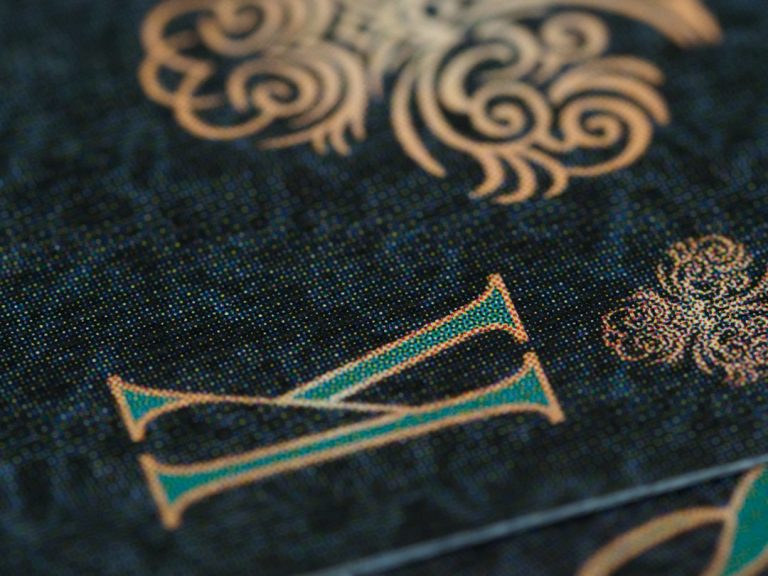
Foil stamping, conversely, is all about shine and highlight. It uses metallic or colored foils that are heat-pressed onto the paper, creating designs that shimmer and catch the light. This makes foil stamping perfect for adding a touch of glamour, modernity, and visual pop. Whether it’s a shimmering gold, a bright silver, a subtle rose gold, or even a vibrant colored foil, the effect is immediately eye-catching. It’s ideal for highlighting key elements like names, dates, or decorative motifs, drawing the viewer’s attention. Designs that benefit from a sense of opulence, sparkle, and contemporary flair—think art deco, modern romantic, or glamorous themes—are perfectly suited for foil stamping.
Deep Dive: Letterpress Invitations – Craftsmanship and Charm
Letterpress printing is one of the oldest forms of printing, and its continued popularity in the wedding invitation market speaks volumes about its enduring appeal. It’s a method that emphasizes meticulous craftsmanship and a tactile, sensory experience that harks back to a bygone era of print.
The Letterpress Process: Creating Indentations for Elegance
The letterpress process involves setting type and creating custom plates (typically magnesium or polymer) based on the invitation’s design. These plates are then mounted onto a letterpress machine. Ink is applied to the plates, and then the paper is pressed firmly against the inked plate. This action forces the plate into the paper, creating the characteristic deep impression, or “bite.” The depth of the impression can be controlled by the pressure applied and the thickness and type of paper used. Thicker, softer papers like cotton or bamboo absorb the impression more readily, enhancing the tactile quality. This deliberate, physical process is what gives letterpress its unique charm and artisanal feel.

When to Choose Letterpress: Ideal Styles and Aesthetics
Letterpress is the ultimate choice for couples seeking a classic, sophisticated, and subtly luxurious invitation. It is particularly well-suited for:
- Timeless Elegance: Designs featuring traditional fonts, monograms, and delicate floral or botanical elements.
- Understated Luxury: Couples who prefer a refined, understated aesthetic over overt sparkle or flash.
- Matte Color Palettes: Invitations with rich, saturated colors that benefit from a soft, matte finish.
- Text-Heavy Designs: Where the clarity and beautiful impression of typography are paramount.
- Artisanal Appeal: Couples who appreciate the history and craftsmanship behind traditional printing methods.
Think of couples planning a black-tie affair, a rustic barn wedding with a refined touch, or a classic garden wedding. Letterpress lends an air of permanence and heritage to these celebrations.
Cost Considerations for Letterpress Wedding Invitations
Letterpress printing is generally considered a premium printing method, and its cost reflects the specialized equipment, skilled labor, and often higher-quality materials involved. Key factors influencing the cost include:
- Custom Plates: Each design requires custom-made plates, which are an upfront cost.
- Ink Colors: Using multiple ink colors increases complexity and cost, as the press must be re-inked and set up for each color.
- Paper Stock: Thicker, 100% cotton or bamboo papers, which are ideal for letterpress, are more expensive than standard cardstock.
- Complexity of Design: Intricate designs or extensive use of color can drive up the price.
- Printer’s Expertise: Highly reputable letterpress printers with extensive experience will command higher prices.
For a set of 100 letterpress invitations, prices can range from approximately $700 to $1500+, depending on these factors. This positions letterpress as a significant investment, but one that delivers unparalleled tactile and visual quality.
Letterpress: Verdict
Pros:
- Exceptional tactile experience with deep impressions.
- Rich, matte ink colors.
- Timeless, classic, and artisanal aesthetic.
- High perceived quality and luxury.
Cons:
- Higher cost compared to digital printing.
- Limited in creating metallic or highly reflective finishes.
- Design complexity can increase cost significantly.
- Longer production times.
Exploring Foil Stamping Invitations: Modern Glamour and Shine
Foil stamping offers a different path to luxury, one defined by shimmering metallic accents and a distinctly modern, glamorous appeal. It’s a technique that injects sparkle and visual excitement into wedding stationery.
The Foil Stamping Process: Metallic Accents and Visual Pop
Foil stamping, also known as hot foil stamping, is a process where a heated metal die is pressed onto the paper with a sheet of foil in between. The heat and pressure transfer the foil onto the paper, creating a crisp, defined metallic image. Unlike letterpress, it doesn’t typically create a deep impression, though a slight indentation can be achieved with specialized dies and techniques. The key is the transference of the foil layer, which creates a smooth, often reflective surface. A wide array of foil colors are available, including various metallic finishes (gold, silver, rose gold, copper), holographic foils, and matte colors. This allows for a high degree of customization and visual impact.

When to Choose Foil Stamping: Perfect for a Statement Look
Foil stamping is ideal for couples who want their invitations to make a bold statement and exude modern glamour. It’s a fantastic choice for:
- Glamorous & Modern Themes: Weddings with a focus on sparkle, luxury, and contemporary design.
- Highlighting Key Details: Drawing attention to names, dates, or decorative borders with shimmering accents.
- Metallic Accents: Couples who want to incorporate metallic elements that coordinate with their wedding decor (e.g., gold cutlery, silver bridesmaid dresses).
- Visual Impact: Designs that benefit from a high-contrast finish and eye-catching shine.
- Art Deco & Hollywood Glam: Themes that lean into vintage opulence and dramatic flair.
Imagine a chic city wedding, a roaring twenties-themed celebration, or a destination wedding with a touch of sophisticated sparkle. Foil stamping adds that undeniable “wow” factor.
Cost Considerations for Foil Stamped Wedding Invitations
Foil stamping is also a premium printing technique, and its cost is influenced by several factors:
- Custom Dies: Similar to letterpress plates, custom metal dies are required for each design, which is an initial cost.
- Foil Color & Coverage: Different foil colors can have slightly different price points. The amount of area covered by foil also impacts cost; more extensive foiling means higher expense.
- Number of Foil Colors: Using multiple foil colors necessitates different dies and press setups, significantly increasing the cost.
- Paper Stock: While smooth, coated papers are often recommended for crisp foil transfer, thicker premium stocks can also be used, affecting price.
- Complexity: Intricate foil designs or combinations with other printing methods will raise the price.
For 100 foil-stamped invitations, expect prices to range from approximately $600 to $1400+, depending on the complexity and quantity. It often sits in a similar price bracket to letterpress, sometimes slightly less for simpler designs.
Foil Stamping: Verdict
Pros:
- Striking visual impact with metallic or colored shine.
- Modern, glamorous, and eye-catching aesthetic.
- Excellent for highlighting key design elements.
- Wide variety of foil colors and finishes available.
Cons:
- Less tactile depth compared to letterpress.
- Can appear less traditional or artisanal.
- Designs requiring multiple foil colors become very expensive.
- Foil can sometimes be prone to smudging if not handled carefully.
Letterpress vs. Foil Stamping: A Direct Cost Comparison for 2026
When comparing the costs of letterpress and foil stamping for wedding invitations in 2026, it’s essential to look beyond the base price and consider the factors that contribute to the overall investment. Both techniques fall into the luxury printing category, meaning they are significantly more expensive than standard digital or offset printing.
| Feature | Letterpress Invitations | Foil Stamping Invitations |
|---|---|---|
| Typical Price Range (100 Invitations) | $700 – $1500+ | $600 – $1400+ |
| Key Cost Drivers | Custom plates, ink colors, paper thickness, design complexity. | Custom dies, foil color/coverage, number of foil colors, paper type. |
| Tactile Experience | Deep, noticeable indentation (“bite”). High tactile luxury. | Smooth, raised surface, often with a metallic sheen. Moderate tactile appeal. |
| Visual Aesthetic | Matte, rich colors, understated elegance, classic. | Shimmering, reflective, glamorous, modern, eye-catching. |
| Ideal For | Traditional, classic, artisanal, sophisticated themes. | Glamorous, modern, bold, statement-making themes. |
| Minimum Order Quantity (Typical) | Often 50-100 pieces. | Often 50-100 pieces. |
| Production Time | Typically 3-5 weeks. | Typically 3-5 weeks. |
Understanding Pricing Factors: Paper, Complexity, and Quantity
The price of both letterpress and foil stamping is heavily influenced by the paper chosen. Thicker, premium papers like 100% cotton or bamboo stocks, which are ideal for letterpress to achieve a deep impression, are more expensive than standard cardstock. For foil stamping, while smooth surfaces are often preferred for clean transfers, the weight and finish of the paper still play a role. Design complexity is another major factor. A simple monogram in one color (letterpress) or one foil color (foil stamping) will be less expensive than an intricate pattern or a design that uses multiple colors or foil hues. For letterpress, each ink color requires a separate setup and plate, driving up costs. For foil stamping, each color of foil also requires a distinct die and setup. Quantity is also a factor; while the per-piece cost usually decreases with larger orders, the initial setup costs for plates/dies are spread across more invitations.
Which Offers Better Value for Tactile Luxury?
When the primary goal is profound tactile luxury, letterpress generally takes the lead. The palpable indentation and the soft, luxurious feel of thick cotton paper create a sensory experience that is difficult to replicate. This deep impression signifies craftsmanship and a tangible quality that guests can immediately appreciate. Foil stamping offers a different kind of luxury—one of visual splendor and a smooth, often cool, surface. While luxurious, its tactile appeal is more about the contrast and finish than a deep, ingrained texture. Therefore, if “feeling the luxury” is paramount, letterpress often provides a more direct and impactful experience. However, the “value” is subjective and depends on what kind of luxury the couple wants to convey: the quiet sophistication of deep impression or the dazzling allure of metallic shine.
Beyond the Basics: Hybrid Approaches and Other Printing Techniques
The world of premium wedding invitations isn’t limited to choosing just one technique. Many couples opt for hybrid approaches that combine different printing methods to achieve a unique and impactful result. Additionally, other techniques can complement or serve as alternatives.
Combining Letterpress and Foil Stamping for Ultimate Impact
One of the most popular and effective hybrid approaches is combining letterpress and foil stamping on the same invitation. This allows couples to leverage the strengths of both techniques. For example, the main text and body of the invitation could be printed in letterpress for its classic elegance and tactile depth, while key elements like names, borders, or special motifs could be foil stamped to add a touch of sparkle and glamour. This combination creates a multi-dimensional invitation that is both texturally rich and visually striking. It offers the best of both worlds: the deep, artisanal feel of letterpress paired with the dazzling allure of foil. However, this approach naturally increases the overall cost due to the combined processes and setups.

Considering Digital Printing, Embossing, and Debossing
While letterpress and foil stamping offer unique luxury, other methods are worth considering:
- Digital Printing: This is the most common and cost-effective method for wedding invitations. It offers versatility in color, intricate designs, and quick turnaround times at a much lower price point than letterpress or foil. While it lacks the tactile depth of letterpress or the shine of foil, high-quality digital printing can still produce beautiful results, especially when paired with premium paper stocks.
- Embossing and Debossing: These techniques involve creating raised (embossing) or indented (debossing) patterns on the paper using un-inked dies. Embossing can add a subtle tactile and visual dimension, creating elegant raised designs without ink or foil. Debossing creates an indentation similar to letterpress but without ink. They can be used alone for a very minimalist, sophisticated look or combined with other printing methods.
These techniques offer different levels of luxury and can be chosen based on budget, desired aesthetic, and the specific impact the couple wishes to achieve.
Making Your Decision: Choosing the Right Finish for Your Dream Wedding Invitations
Selecting between letterpress, foil stamping, or a combination involves aligning your choices with your overall wedding vision, budget, and the message you want to send to your guests. It’s about finding the perfect balance of aesthetic, tactile experience, and financial feasibility.
Aligning Your Choice with Wedding Theme and Budget
Your wedding theme is a crucial guide. A black-tie, classic ballroom wedding might lean towards the timeless elegance of letterpress, while a glamorous rooftop reception or a modern, chic city wedding could be perfectly complemented by the sparkle of foil stamping. For rustic or bohemian themes, a simpler digital print on textured paper might suffice, or perhaps a touch of debossing for subtle texture. Budget is, of course, a significant constraint. Letterpress and foil stamping are investments. If your budget is generous, you can explore hybrid options and premium papers. If you’re on a tighter budget, consider using letterpress or foil for just a key element (like the couple’s names) combined with digital printing for the rest of the text, or opt for high-quality digital printing on a beautiful paper stock.
Sample Wording and Design Elements for Each Style
Letterpress Example (Classic & Elegant):
Mr. and Mrs. Johnathan Smith
request the honour of your presence
at the marriage of their daughter
Olivia Grace
to
Mr. Ethan James Miller
son of Mr. and Mrs. David Miller
Saturday, the twenty-third of August
Two thousand twenty-six
The Grand Ballroom, The Plaza Hotel, New York City
Reception to follow
Design Notes: Use a classic serif font for names and details, perhaps a delicate script for “Olivia Grace” and “Ethan James.” A subtle floral or monogram element would complement the letterpress impression beautifully.
Foil Stamping Example (Modern & Glamorous):
Olivia Grace
&
Ethan James
Joyfully invite you to celebrate their marriage
Saturday, August 23, 2026
The Plaza Hotel, New York City
Dinner, Dancing & Merriment to follow
Design Notes: Use a sleek, modern font for names, perhaps with a touch of script. Foil stamp the names in gold or rose gold, and maybe a simple geometric border or starburst motif. The rest of the text can be in a clean digital print.
Finding a Reputable Printer for Premium Invitation Finishes
The quality of your letterpress or foil-stamped invitations hinges significantly on the printer’s expertise. Look for companies that specialize in these premium printing methods. Ask to see samples of their work—not just online photos, but physical examples if possible. Pay attention to the depth of the letterpress impression, the crispness and alignment of the foil, and the overall quality of the paper and printing. Read reviews from other couples, paying attention to comments about communication, turnaround time, and customer satisfaction. A good printer will guide you through the process, offer knowledgeable advice on design and paper choices, and ensure your vision is brought to life with impeccable craftsmanship.
👑 Ultimate Winner: The Choice is Yours (with a slight edge to Letterpress for pure tactile luxury)
For the couple prioritizing an unparalleled tactile experience and timeless, artisanal elegance, Letterpress is the definitive choice. Its deep, luxurious impression on fine cotton paper speaks of heritage, craftsmanship, and understated sophistication, making it ideal for classic and formal weddings. However, if your vision leans towards modern glamour, statement-making shine, and eye-catching visual impact, Foil Stamping offers a dazzling alternative, infusing your invitations with contemporary luxury and metallic brilliance. For those seeking the ultimate sensory and visual feast, a hybrid approach combining both techniques provides a truly bespoke and high-impact result, albeit at a higher cost. Ultimately, the ‘winner’ depends entirely on your personal style, wedding theme, and the specific luxurious experience you wish to create for your guests.