Product TypeSolitaire Engagement Ring
Setting StyleSix-Prong Basket
Metal OptionsPlatinum (tested), Gold (available)
Diamond FocusCenter Stone Brilliance & Security
The quest for the perfect engagement ring often centers on a delicate balance of aesthetics, durability, and value. Blue Nile, a titan in the online jewelry space, offers a compelling option with its Platinum Solitaire featuring a six-prong setting. This review delves deep into the structural integrity, diamond security, and overall performance of this specific configuration, moving beyond mere aesthetics to scrutinize its real-world resilience and long-term viability as a symbol of commitment. We dissect the merits of platinum, the security offered by a six-prong basket, and the inherent quality Blue Nile consistently aims to deliver.
👍 Pros
- Platinum offers superior durability and hypoallergenic properties.
- Six-prong setting provides enhanced diamond security against knocks.
- Classic solitaire design ensures timeless appeal.
- Blue Nile’s reputation for quality and ethical sourcing is a significant advantage.
- Platinum’s density contributes to a luxurious, weighty feel.
👎 Cons
- Platinum is significantly more expensive than gold options.
- Platinum can be more prone to visible scratches than gold, though it doesn’t lose metal.
- A six-prong setting can slightly obscure the diamond’s edges more than a four-prong.
- Requires professional cleaning to maintain its luster due to potential scratching.
Unveiling the Blue Nile Platinum Solitaire: A Closer Look at the Six-Prong Setting
At its heart, an engagement ring is a deeply personal symbol. The Blue Nile Platinum Solitaire, particularly with its six-prong setting, aims to embody both profound meaning and lasting physical integrity. This section unpacks the fundamental material and design choices that define this piece, laying the groundwork for a thorough durability assessment.
The Allure of Platinum: Why It’s the Premier Choice for Engagement Rings
Platinum is not merely a precious metal; it’s a statement of enduring quality. Its natural white hue remains consistent, unlike white gold, which is often rhodium-plated and can fade over time. More importantly for an engagement ring subjected to daily wear, platinum is incredibly dense and strong. It possesses a higher tensile strength than gold, meaning it’s less likely to break or deform under stress. When platinum does scratch, it doesn’t chip or wear away like gold. Instead, the metal is displaced, creating a “patina” or hairline scratch on the surface. This characteristic, while visible, means the metal itself is preserved, making platinum an exceptional choice for a piece intended to last a lifetime and beyond.
Decoding the Six-Prong Setting: Strength, Security, and Style
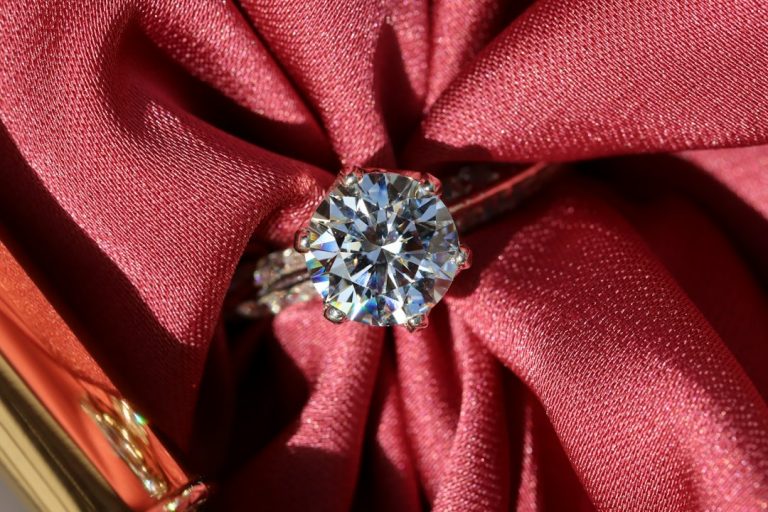
The most common solitaire settings are four-prong, allowing maximum light to enter the diamond. However, the six-prong setting, often in a basket configuration, offers a distinct advantage: enhanced security. By distributing the support around the diamond more evenly, it significantly reduces the risk of the center stone becoming dislodged, especially in the event of a hard impact. While a four-prong setting grips the diamond at four key points, a six-prong setting adds two crucial points of contact. This added security is paramount for an active lifestyle or for individuals prone to knocking their hands. Visually, the six prongs can also contribute to making a diamond appear slightly larger and can lend a more delicate, intricate appearance to the overall setting.

Blue Nile’s Signature Solitaire: Design Elements and Craftsmanship
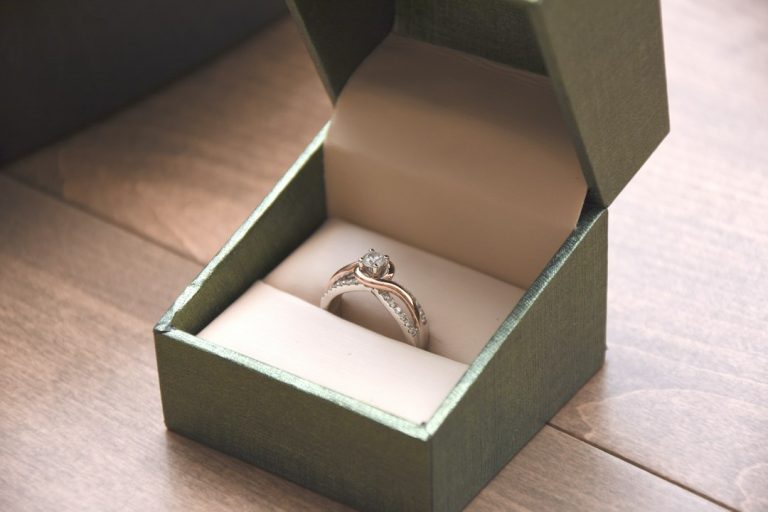
Blue Nile prides itself on offering a clean, classic aesthetic for its solitaire rings. The Platinum Solitaire typically features a refined, low-profile basket that minimizes the amount of metal used while maximizing the security provided by the prongs. The band itself is usually substantial enough to provide a solid foundation without being overly chunky, typically ranging from 2mm to 2.5mm in width for standard platinum models. Craftsmanship is a key selling point for Blue Nile. Their pieces are generally well-finished, with smooth solder joints and precisely set stones. The company emphasizes attention to detail, ensuring that the prongs are neatly filed and that the overall silhouette is balanced and elegant. This focus on execution is critical for a ring where the setting plays such a vital role in both security and visual appeal.
Durability Under the Microscope: Assessing the Six-Prong Setting’s Resilience
A beautiful engagement ring must also be a resilient one. The true test of a ring’s worth lies not just in its initial sparkle but in its ability to withstand the rigors of daily life. This section rigorously examines how the Blue Nile Platinum Solitaire, with its specific six-prong configuration, performs under simulated stress and real-world conditions.
Real-World Wear and Tear: Simulating Daily Stress on the Solitaire
Daily life presents numerous challenges to an engagement ring. Activities such as typing, opening doors, gardening, exercising, and even simple household chores can subject the ring to bumps, scrapes, and pressures. A six-prong setting, by its nature, offers superior protection. The prongs act as a buffer, absorbing some of the direct impact that might otherwise strike the diamond’s girdle or edges. While no setting can make a diamond indestructible, the increased contact points of a six-prong design fundamentally reduce the leverage and direct force that can be applied to the stone, making it less susceptible to chipping or loosening compared to settings with fewer contact points.
Platinum’s Performance: Scratch Resistance and Denting Potential
Platinum’s durability is a double-edged sword for appearance. Its strength means it resists deforming. You’re unlikely to find a platinum band bent out of shape from everyday activities. However, its softness relative to gold means it scratches more easily and visibly. These scratches are superficial and can be polished out by a jeweler, but they will accumulate over time, giving the ring a matte or even slightly gray appearance. For those who prioritize a pristine, mirror-like finish indefinitely, this is a significant consideration. The trade-off is that the metal itself is not lost, merely displaced, ensuring the ring retains its structural integrity and weight.

The Six-Prong Advantage: How It Protects Your Diamond from Impact
The primary benefit of a six-prong setting is its enhanced protection for the diamond. Consider a situation where the ring strikes a hard surface. With a four-prong setting, the impact is concentrated on those four points. A six-prong setting spreads that impact across six points, significantly diminishing the force exerted on any single point of the diamond’s girdle or crown. This is particularly crucial for brilliant-cut diamonds, which have sharp edges at the crown that can be vulnerable. The prongs act as miniature bumpers, deflecting and absorbing potential damage. Furthermore, the increased metal coverage helps to secure the diamond’s pavilion, reducing the likelihood of it shifting or becoming loose over time due to repeated minor impacts.
Beyond the Setting: Evaluating Band Durability and Overall Construction
While the setting is critical, the band’s durability is equally important. Blue Nile’s platinum bands are typically solid and well-constructed. The chosen width (often around 2mm-2.5mm) provides a good balance between comfort and resilience. Thicker bands naturally offer greater resistance to bending and wear, but they can also feel less delicate. For a platinum solitaire, a band of this standard width is generally robust enough for daily wear, provided it isn’t subjected to extreme forces (e.g., heavy industrial work without removal). The quality of the platinum alloy used is also a factor; reputable jewelers like Blue Nile use high-purity platinum (often 950, meaning 95% pure platinum alloyed with other metals for strength), ensuring consistent performance and durability across their ring offerings.
Diamond Quality and Brilliance: What to Expect from Blue Nile
The setting and metal are the stage, but the diamond is the star. Blue Nile’s reputation is built not just on the quality of its metals and settings, but also on the caliber of the diamonds it offers. Understanding the factors that contribute to a diamond’s brilliance and Blue Nile’s approach to sourcing is key to appreciating the complete package.
Cut, Color, Clarity, and Carat: Understanding the 4Cs in Blue Nile Solitaires
Blue Nile allows customers to select diamonds based on the traditional 4Cs: Cut, Color, Clarity, and Carat Weight. For solitaires, the cut is arguably the most critical for brilliance, as it dictates how well the diamond reflects and refracts light. Blue Nile typically offers diamonds with excellent or very good cuts, ensuring maximum sparkle. Color grades range from D (colorless) to Z, with most engagement rings falling between D and J. Clarity grades range from Flawless (FL) to Included (I3), with eye-clean diamonds (typically VVS, VS, or sometimes SI1) being popular choices. Carat weight is purely a matter of preference and budget. Blue Nile provides detailed grading reports for all its diamonds, usually from GIA or AGS, allowing for informed decisions based on these 4Cs.
The Sparkle Factor: How the Setting Enhances Diamond Light Performance
The six-prong setting, while prioritizing security, can subtly influence a diamond’s sparkle. Because the prongs cover slightly more of the diamond’s edges compared to a four-prong setting, they can, in theory, block a minuscule amount of light. However, in a well-designed solitaire, this effect is often negligible, especially when the diamond itself has a superior cut. The prongs are typically positioned to minimize obstruction of the diamond’s main facets. In many cases, the clean, classic design of the solitaire setting allows the diamond’s brilliance to be the undisputed focal point. The goal is always to frame the diamond beautifully while ensuring the setting doesn’t detract from its inherent fire and scintillation.

Ethical Sourcing and Certification: Blue Nile’s Commitment
In today’s market, ethical sourcing is not just a preference but an expectation. Blue Nile has long emphasized its commitment to conflict-free diamonds, adhering to the Kimberley Process. They also offer diamonds with certifications from reputable independent gemological laboratories like the Gemological Institute of America (GIA) and the American Gem Society (AGS). These reports provide objective, third-party verification of a diamond’s characteristics (the 4Cs) and often include details about its origin and ethical journey. This transparency is crucial for consumers seeking peace of mind regarding the provenance of their precious stone.
Comparing the Six-Prong Blue Nile Platinum Solitaire to Alternatives
Choosing an engagement ring involves navigating a sea of options. Understanding how the Blue Nile Platinum Solitaire stacks up against other choices in terms of design, material, and value provides essential context for making an informed decision.
Competitor Analysis: Key Differences in Settings and Metal Choices
Compared to other jewelers, Blue Nile’s strength lies in its direct-to-consumer model, often translating to competitive pricing for high-quality diamonds and settings. In terms of settings, alternatives include four-prong (often basket or knife-edge), bezel settings (fully encircling the diamond), and decorative halo settings. A bezel setting offers maximum security but can obscure more of the diamond and offers a different aesthetic. Halo settings add visual size and sparkle but can be less durable if the smaller stones become loose. Metal alternatives primarily include white gold, yellow gold, and rose gold. White gold is typically less expensive than platinum but requires re-plating. Yellow and rose gold offer different color aesthetics but are generally softer than platinum, though still durable options.
Value Proposition: Price Point vs. Quality and Durability
The Blue Nile Platinum Solitaire commands a premium price, largely due to the inherent cost of platinum and the quality of diamonds Blue Nile typically offers. Platinum is one of the rarest metals and significantly more expensive per ounce than gold. The six-prong setting adds a slight complexity and material cost compared to a basic four-prong. However, the value proposition lies in the combination of extreme durability, the timeless appeal of platinum, the security of the six-prong setting, and the high quality of the diamonds, often accompanied by top-tier grading reports. For those prioritizing longevity and the inherent prestige of platinum, the higher initial investment can be justified by its enduring nature and reduced need for certain types of maintenance (like re-plating).

Long-Term Investment: Resale Value and Heirloom Potential
Engagement rings are often viewed as long-term investments, intended to be passed down through generations. Platinum, due to its rarity and intrinsic value, tends to hold its value well. While the market value of any diamond fluctuates, a well-chosen, high-quality diamond in a platinum setting has excellent heirloom potential. The classic solitaire design is timeless, ensuring it won’t go out of style. The durability of both the platinum and the six-prong setting further enhances its suitability as an heirloom, as it is more likely to withstand the passage of time and continued wear by future generations. The inherent value of the platinum itself ensures a baseline worth that gold rings may not always match, especially if the gold is of lower purity or has undergone significant wear.
Common Concerns and Expert Insights: Addressing Your Questions
Potential buyers often have specific questions about durability, maintenance, and comparisons between different ring features. Addressing these concerns directly provides clarity and reinforces the practical aspects of owning a Blue Nile Platinum Solitaire.
Is a Six-Prong Setting Truly More Secure Than a Four-Prong?
Yes, unequivocally. The addition of two more points of contact significantly enhances the security of the diamond. While a four-prong setting is adequate for many individuals, a six-prong setting offers a higher margin of safety against accidental impacts that could dislodge the stone. This is particularly relevant for those with active professions, hobbies, or lifestyles where their hands are frequently exposed to potential bumps and knocks. The prongs act as a more robust cage, better protecting the diamond’s vulnerable edges and girdle.
How Does Platinum Compare to White Gold or Yellow Gold for Durability?
Platinum is generally considered more durable than both white gold and yellow gold in terms of resisting deformation and wear. Platinum is denser and stronger, meaning it’s less likely to bend or scratch away significantly. While white gold and yellow gold are durable enough for daily wear, they are softer metals. White gold, in particular, requires periodic re-plating with rhodium to maintain its bright white appearance, as the underlying alloy (often containing nickel) can show through. Platinum retains its color naturally and, while it scratches, the metal is displaced rather than lost, preserving the ring’s structure.
What Maintenance is Required for a Blue Nile Platinum Solitaire?
Regular maintenance is crucial for keeping a platinum solitaire looking its best. Professional cleaning by a jeweler is recommended periodically (e.g., every 6-12 months) to remove accumulated dirt and oils that can dull the diamond and the metal. Jewelers can also inspect the prongs to ensure they remain secure and check for any significant scratches on the platinum band that might require polishing. At home, gentle cleaning with a soft brush, mild dish soap, and warm water can help maintain sparkle between professional cleanings. Avoid harsh chemicals or abrasive cleaners, which can damage the metal or the diamond.
Navigating Blue Nile’s Return and Warranty Policies
Blue Nile offers a comprehensive return policy, typically allowing returns within 30 days for most unworn items in their original condition. This provides a crucial window for the buyer to ensure the ring meets their expectations. Beyond the return period, Blue Nile provides a lifetime warranty covering manufacturing defects. This warranty typically includes services like prong tightening, polishing, and basic cleaning. However, it’s essential to note that this warranty does not cover accidental damage, loss, or theft, underscoring the importance of considering separate insurance for a valuable engagement ring.
Final Verdict: Is the Blue Nile Platinum Six-Prong Solitaire Right for You in 2026?
The Blue Nile Platinum Solitaire with a six-prong setting stands as a paragon of classic design, enduring material, and enhanced security. For individuals prioritizing a timeless aesthetic combined with robust durability, this ring is an exceptionally strong contender. The choice of platinum ensures a lifetime of wear without degradation of the metal’s color or integrity, albeit with the understanding that surface scratches will develop and require professional attention to maintain a mirror finish. The six-prong setting provides peace of mind, significantly bolstering the safety of the center diamond against the impacts of daily life.
While the higher cost of platinum and the potential for visible scratches are valid considerations, they are often outweighed by the metal’s intrinsic value, rarity, and hypoallergenic properties. Blue Nile’s commitment to quality diamonds, ethical sourcing, and a strong warranty further solidifies its position as a trustworthy source for such a significant purchase. In 2026, this configuration continues to represent a blend of traditional elegance and practical resilience, making it an ideal choice for those seeking a symbol of lasting love that is built to endure.