The choice of a wedding band is as significant as the engagement ring, a daily symbol of commitment. For eternity bands, the decision often boils down to two primary styles: the dazzling pave diamond band and the sleek, understated plain metal eternity band. While both offer continuous sparkle or enduring shine, their comfort, durability, and aesthetic implications diverge significantly. This in-depth comparison dissects these differences, helping you choose the band that best suits your lifestyle, values, and personal style for years to come.
Understanding Eternity Wedding Bands: The Basics
What is an Eternity Band?
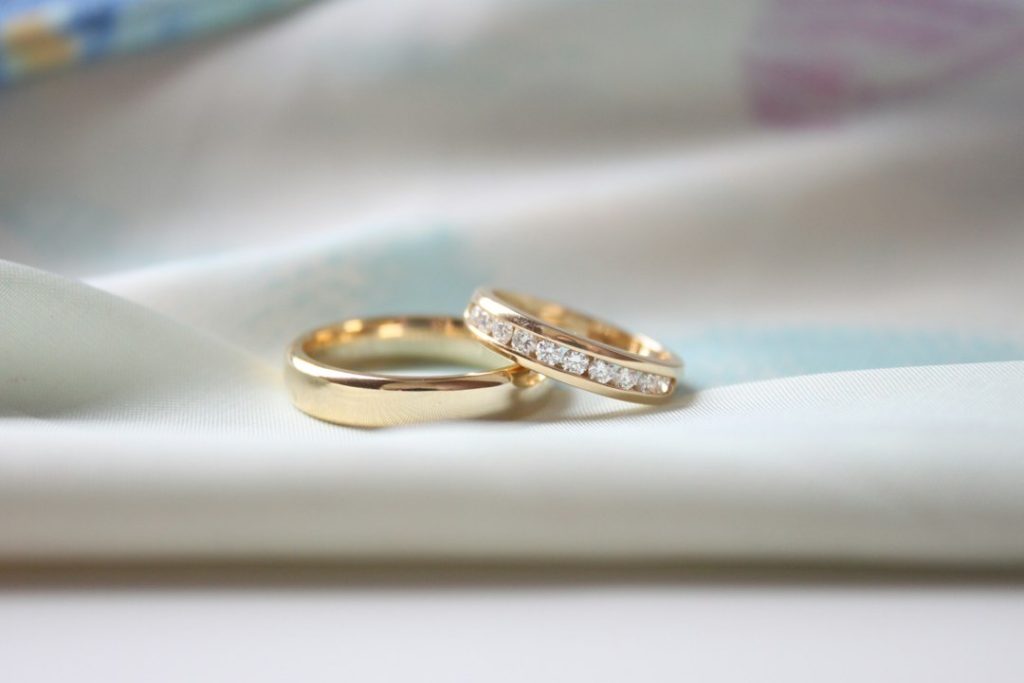
An eternity band, by definition, is a ring featuring a continuous line of identically shaped gemstones or metalwork that encircles the entire band, leaving no plain sections. This design symbolizes eternal love and commitment, hence the name. Traditionally, these were often set with diamonds, but modern interpretations include various gemstones and intricate metal designs.
The Allure of Continuous Sparkle
The primary draw of an eternity band is its consistent visual appeal. Whether adorned with a ceaseless stream of diamonds or a polished band of precious metal, the design offers a complete, unbroken circle of beauty. This full coverage ensures that the ring looks radiant from every angle, making a continuous statement of elegance and luxury. For diamond eternity bands, the effect is amplified light reflection and sparkle, creating a breathtaking effect.
Pave Diamond Eternity Bands: The Dazzling Contenders
Design Variations in Pave Settings (Micro-Pave, Channel-Set, etc.)
Pave diamond eternity bands are not monolithic. The diamonds can be set in various ways, each impacting the band’s look and feel. Micro-pave features tiny diamonds set extremely close together, creating a “river of diamonds” effect with minimal visible metal. Channel-set eternity bands have diamonds partially or fully encased within a groove of metal, offering greater protection to the stones. Other variations include prong-set eternity bands, where small prongs hold the diamonds, allowing for maximum light exposure but also presenting more metal points. The choice of setting directly influences the band’s overall texture, sparkle, and potential for snagging or stone loss.
The Comfort Factor: Navigating Protruding Stones and Metal Bezels
Comfort with pave diamond eternity bands is highly dependent on the setting style and the meticulousness of the craftsmanship. Micro-pave bands, with their closely set stones and often rounded metal, can be surprisingly comfortable, especially if the metal bezels are smooth and low-profile. However, bands with more prominent or raised stones, or those with intricate metalwork between diamonds, can present a rougher surface. This can lead to snagging on clothing, gloves, or delicate fabrics, and may feel abrasive against the adjacent finger or skin, particularly during sleep or with certain activities. The presence of metal bezels or prongs, while securing the stones, can also add to the tactile sensation on the finger.

Aesthetics: Maximizing Brilliance and Visual Impact
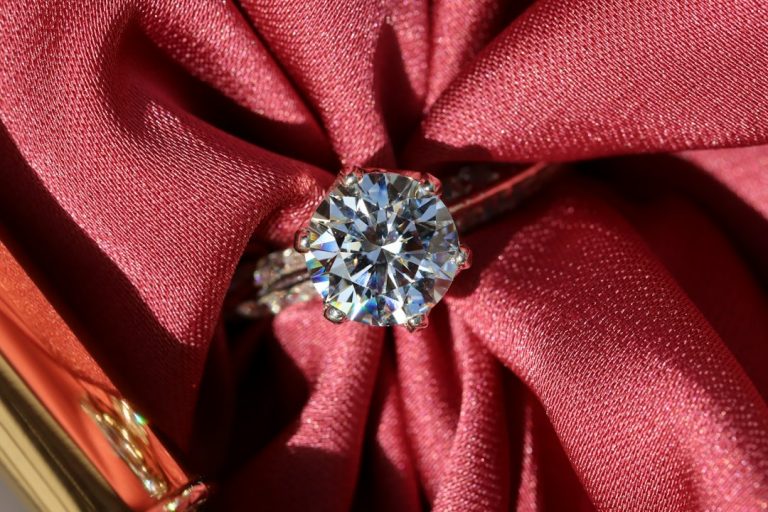
The aesthetic appeal of a pave diamond eternity band is its unparalleled sparkle. The continuous line of small, precisely cut diamonds reflects light from every facet, creating a brilliant, dazzling effect. This style is perfect for those who desire maximum visual impact and a glamorous look. The small size of the diamonds allows for a smoother overall profile compared to larger solitaire stones, yet the sheer quantity delivers an intense shimmer that commands attention. It’s a statement of luxury that complements almost any style, from classic to contemporary.
Potential Pitfalls: Stone Loss and Repair Complexity in Pave Bands
The primary concern with pave diamond eternity bands is the potential for stone loss. Because the diamonds are often set closely together with minimal metal support, a significant impact or excessive wear can dislodge a stone. Once one stone is lost, it can create a weak point, potentially leading to the loss of adjacent stones. Repairing a pave band can be complex and costly. Replacing a single lost diamond requires a skilled jeweler to carefully set a new stone without disturbing the surrounding diamonds. In cases of significant damage or multiple lost stones, the repair might approach the cost of a new band, making durability and careful wear paramount.
Pave Diamond Eternity Band Pros:
- Unmatched sparkle and brilliance.
- Luxurious and glamorous appearance.
- Can create a smooth, continuous line of diamonds.
- Available in various intricate settings.
Pave Diamond Eternity Band Cons:
- Higher risk of stone loss due to setting style.
- Can snag on fabrics or cause irritation if not well-crafted.
- Repairs can be complex and expensive.
- May require more careful wear, especially during physical activities.
Plain Metal Eternity Bands: The Sleek and Simple Rivals
Common Metals for Plain Bands (Platinum, Gold, etc.)
Plain metal eternity bands are crafted from a variety of precious metals, each offering distinct characteristics. Platinum is prized for its durability, natural white luster, and hypoallergenic properties, though it is also the most expensive. White gold offers a similar bright white appearance to platinum but is an alloy and may require occasional re-plating to maintain its color. Yellow gold provides a classic, warm tone and is highly durable. Rose gold, an alloy of gold and copper, offers a romantic pink hue and is also quite durable. The choice of metal impacts the band’s color, weight, cost, and long-term maintenance needs.
The Comfort Factor: Smooth Surfaces and Minimalistic Feel
The defining characteristic of a plain metal eternity band is its comfort. The entirely smooth surface, free from any protruding stones or intricate settings, glides effortlessly over the skin and fabrics. This makes them exceptionally comfortable for daily wear, even for individuals with sensitive skin or those who are particularly conscious of how jewelry feels on their hand. The lack of raised elements eliminates the risk of snagging, making them ideal for active individuals, professionals who work with their hands, or anyone who prioritizes a seamless, unobtrusive feel throughout the day and night.
Aesthetics: Understated Elegance and Versatility
Plain metal eternity bands exude an understated elegance. Their simplicity is their strength, offering a sophisticated and timeless look that never goes out of style. This minimalist aesthetic makes them incredibly versatile. They can be worn alone as a chic statement piece, paired with an engagement ring, or stacked with other bands to create a personalized look. The polished or brushed finish of the metal provides a refined gleam that complements any outfit and occasion, offering a subtle yet powerful expression of style.

Durability: Reduced Risk of Stone Loss, Easier Maintenance
The durability of a plain metal eternity band is exceptional, primarily due to the absence of gemstones. This eliminates the risk of stone loss entirely. The metal itself, depending on the chosen alloy and its purity (e.g., 14K vs. 18K gold, or platinum), is robust and resistant to scratches and dings. Maintenance is straightforward: occasional polishing to restore shine, and cleaning with mild soap and water. Unlike pave bands, there are no delicate settings to worry about, making them a low-maintenance choice for everyday wear. Even significant impacts are unlikely to cause structural damage to the band itself.
Plain Metal Eternity Band Pros:
- Exceptional comfort due to smooth surface.
- Minimal risk of snagging on clothing or skin.
- Extremely durable with no stones to lose.
- Low maintenance and easy to clean.
- Timeless, versatile, and understated elegance.
Plain Metal Eternity Band Cons:
- Lacks the sparkle of diamond bands.
- Can show scratches and scuffs over time (depending on metal and finish).
- Resizing can be more complex than standard bands due to continuous design.
Head-to-Head Comparison: Comfort and Wearability
Daily Wear: Which Band Feels Better on the Hand?
For day-to-day comfort, the plain metal eternity band is the clear winner. Its seamless, smooth surface ensures it feels like a natural extension of the hand, without any friction or irritation. Pave diamond bands, while beautiful, can sometimes present a slightly rougher texture. This is especially true if the metal settings holding the diamonds are not perfectly flush or if the diamonds themselves have slightly raised edges. For individuals who are highly sensitive to touch or simply prioritize an unobtrusive feel, the plain metal band offers superior daily wearability.
Active Lifestyles: Performance Under Stress and Impact
Individuals with active lifestyles, particularly those engaged in sports, manual labor, or frequent gym visits, will find plain metal eternity bands far more forgiving. The lack of stones means there’s nothing to catch, break, or fall out during rigorous activity. A pave diamond band, conversely, is at higher risk. A hard impact could chip a diamond or, more likely, dislodge it from its setting. The metal prongs or bezels themselves could also bend or break under severe stress. Therefore, for performance and peace of mind during physical exertion, the plain metal band is the more resilient choice.
Sleeping and Undressing: The Practicalities of Comfort
The comfort experienced while sleeping or during the simple act of undressing can be a deciding factor for many. Plain metal eternity bands offer unparalleled comfort in these scenarios. Their smooth, uninterrupted surface means no snagging on bedsheets, no catching on gloves, and no discomfort when putting on or taking off clothes. Pave diamond bands, especially those with more pronounced settings, can occasionally snag on fine materials or feel slightly abrasive against the skin during sleep. This practical aspect of daily life often tips the scale in favor of the smoother, simpler metal band for ultimate, all-hours comfort.
Head-to-Head Comparison: Stone Security and Long-Term Durability
| Feature | Pave Diamond Eternity Band | Plain Metal Eternity Band |
|---|---|---|
| Risk of Stone Loss | Moderate to High (depends on setting) | None |
| Impact Resistance | Lower; stones and settings can be damaged | High; metal is generally robust |
| Maintenance Difficulty | Higher; requires careful cleaning, potential stone checks | Lower; simple cleaning and polishing |
| Repair Complexity | High; requires specialized jeweler skills | Moderate (resizing can be tricky) |
| Scratch Resistance | Diamonds are very hard; metal settings can scratch | Varies by metal; platinum is more scratch-resistant than gold |
| Cost of Repair (Est.) | $50 – $300+ per stone/setting issue | $50 – $200 (for resizing or polishing) |
The Likelihood of Stone Loss: Pave vs. Plain Metal
The fundamental difference in stone security lies in the presence of gemstones. Pave diamond eternity bands inherently carry a risk of stone loss. While modern setting techniques minimize this, tiny diamonds set closely together can still become dislodged through impact or prolonged wear. The risk is generally higher with micro-pave where metal support is minimal, and lower with channel-set or heavily protected pave styles. Plain metal eternity bands, by definition, have no stones, thus eliminating the possibility of stone loss entirely. Their durability comes from the inherent strength of the metal itself.
Maintenance and Repair Costs: What to Expect
Maintenance for a pave diamond eternity band involves regular, gentle cleaning to keep the diamonds sparkling and potentially periodic checks by a jeweler to ensure settings are secure. If a stone is lost or a setting becomes loose, repairs can be costly. Replacing a small diamond and re-securing the setting might range from $50 to upwards of $300 or more, depending on the diamond’s size, quality, and the complexity of the repair. Plain metal bands require simpler maintenance, mostly polishing to remove minor scratches. Resizing, if necessary, can be more complex than for a standard band due to the continuous pattern, but the cost is typically in the $50-$200 range. Overall, plain metal bands are significantly less expensive to maintain and repair over their lifetime.
Resizing Considerations: Practical Implications of Each Style
Resizing is a critical practical consideration for eternity bands. Since both pave diamond and plain metal eternity bands feature continuous designs, resizing can be more challenging than with traditional bands that have a plain back. For pave bands, resizing involves carefully cutting the band and potentially resetting some diamonds to maintain the pattern’s integrity, which adds complexity and cost. Plain metal bands also require precise cutting and soldering to maintain a seamless look, but generally, this is a more straightforward process than working around delicate diamond settings. For both types, resizing is often best done by a jeweler experienced with eternity bands, and it’s generally advised to avoid resizing if possible by choosing the correct size initially.

Style and Versatility: Matching Your Wedding Band to Your Lifestyle
Complementing Your Engagement Ring: A Harmonious Pairing
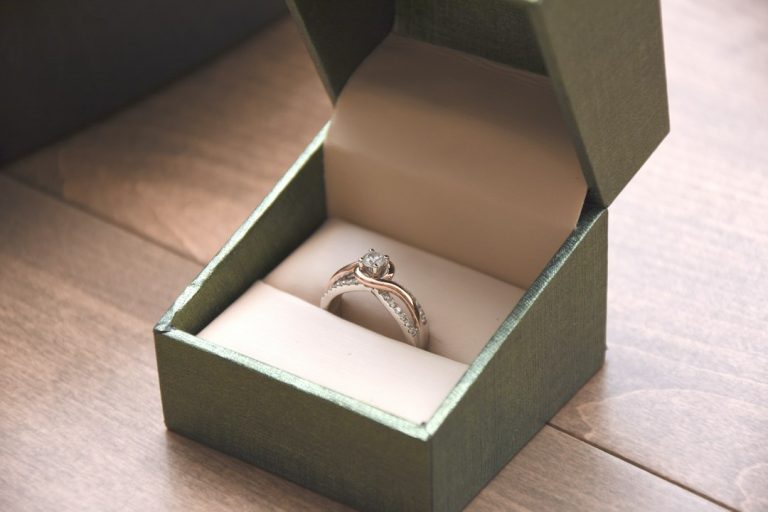
The primary role of a wedding band is often to complement the engagement ring. Pave diamond eternity bands can enhance a ring with a halo or smaller accent stones, creating a cohesive and intensely sparkling ensemble. However, they can sometimes overpower simpler solitaire engagement rings. Plain metal eternity bands offer universal compatibility. Whether your engagement ring is a large solitaire, features intricate detailing, or has unique side stones, a plain metal band in a matching or contrasting metal provides a balanced and elegant foundation. It allows the engagement ring to remain the focal point while adding a layer of polished sophistication.
Stackability: Creating a Unique Wedding Band Stack
For those who love the idea of a wedding band stack, both styles offer possibilities, but with different aesthetics. Pave diamond bands can be stacked with other diamond bands (pave, channel, or even channel-set baguettes) to create a luxurious, multi-dimensional look. The challenge lies in ensuring the settings align aesthetically and don’t excessively rub against each other, potentially damaging the metal. Plain metal bands are the ultimate stackers. They can be mixed with pave bands, gemstone bands, or other plain metal bands in various finishes (polished, brushed, hammered) and metal colors (yellow, white, rose gold, platinum) to create a highly personalized and dynamic stack. Their smooth profile makes them ideal for layering without adding bulk.
Personal Style: Minimalist vs. Maximalist Approaches
Your personal style is a crucial determinant. If you lean towards a minimalist aesthetic—preferring clean lines, subtle elegance, and understated luxury—a plain metal eternity band is likely your ideal choice. It offers sophistication without ostentation. Conversely, if your style is more maximalist, embracing bold statements, dazzling details, and a penchant for glamour, a pave diamond eternity band will perfectly align with your fashion sensibilities. It’s designed to be noticed, to capture light, and to make a significant style statement.
Expert Insights and Real-World Experiences (2026)
Jeweler Perspectives on Durability and Setting Types
Reputable jewelers consistently advise clients on the trade-offs between pave and plain metal eternity bands. They often highlight that while pave diamonds offer unparalleled beauty, the settings are inherently more delicate than a solid metal band. Jewelers recommend channel settings or bezel settings for pave bands if durability and reduced snagging are key concerns, as these offer more protection to the stones. For active individuals or those seeking a virtually worry-free option, they invariably point towards plain metal bands as the most robust and low-maintenance choice. They also stress the importance of high-quality craftsmanship in pave bands, noting that expertly set diamonds with well-finished metal edges offer better longevity and comfort.
Wearer Testimonials: Comfort and Longevity Reviews
Real-world experiences frequently echo these expert opinions. Wearers of pave diamond eternity bands often rave about the breathtaking sparkle but are sometimes surprised by the level of care required. Common feedback includes instances of snagging on sweaters or gloves, and occasional anxiety about potential stone loss during physical activities. Many users find them more comfortable if the metal bezels are low and smooth. Conversely, wearers of plain metal eternity bands consistently praise their supreme comfort, ease of wear, and durability. Testimonials often mention wearing them 24/7, including during workouts and sleep, without any issues. The main “complaint,” if any, is the lack of diamond sparkle, which is a trade-off for the enhanced practicality.

Making Your Choice: Which Eternity Band is Right for You?
Key Questions to Ask Yourself Before Deciding
To make an informed decision, consider these crucial questions:
- What is my daily activity level? Are you highly active, work with your hands, or prefer a low-impact lifestyle?
- What is my tolerance for jewelry maintenance? Do I want a band that requires minimal upkeep, or am I willing to be more careful?
- What is my aesthetic preference? Do I prefer subtle elegance or maximum sparkle and glamour?
- How important is comfort above all else? Am I particularly sensitive to how jewelry feels on my hand?
- What is my budget for potential repairs? Am I prepared for the possibility of higher repair costs with diamonds?
- How does it pair with my engagement ring? Does it create a harmonious look or compete visually?
Budget Considerations for Pave and Plain Metal Bands
Generally, pave diamond eternity bands are significantly more expensive than plain metal bands of the same width and metal type. This is due to the cost of the diamonds, the number of stones required, and the intricate labor involved in setting them. Prices for pave diamond eternity bands can range widely, from $2,000 for smaller stones in gold to $10,000+ for larger, high-quality diamonds, or platinum settings. Plain metal eternity bands, while still an investment, are more accessible, typically ranging from $500 for a simple gold band to $2,500+ for a platinum or intricately finished metal band. It’s also important to factor in potential repair costs, which are higher for pave diamond bands.
👑 Ultimate Winner: Plain Metal Eternity Band
While the allure of a pave diamond eternity band is undeniable for its sheer sparkle and luxury, the Plain Metal Eternity Band emerges as the Ultimate Winner for most individuals seeking a wedding band that balances enduring beauty with practical, everyday wear. Its supreme comfort, exceptional durability, and minimal maintenance requirements make it an unparalleled choice for a symbol of eternal commitment that will be worn daily for a lifetime. It eliminates the worry of stone loss, snagging, and complex repairs, offering peace of mind and consistent elegance. For those who desire brilliance, stacking options, and personalization, the plain metal band serves as a perfect, versatile canvas that complements any engagement ring and lifestyle, ensuring comfort and resilience through every moment.