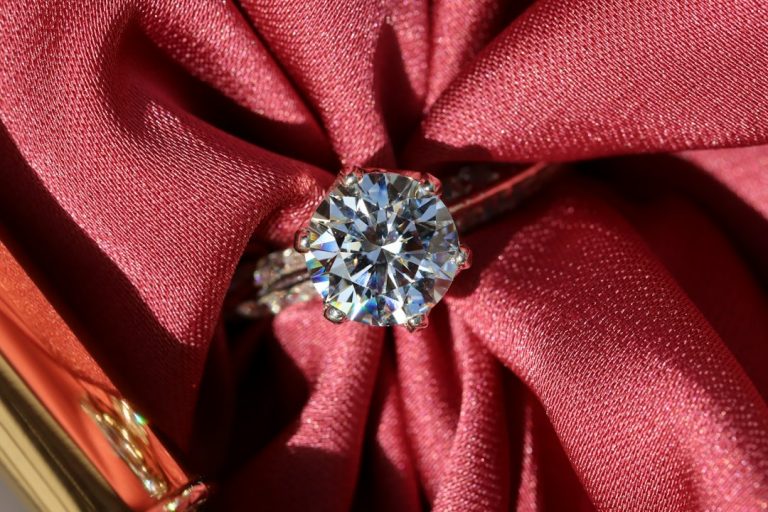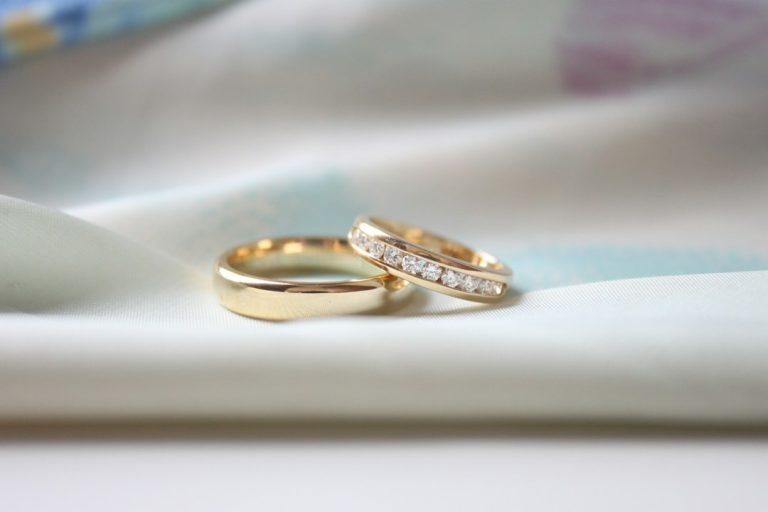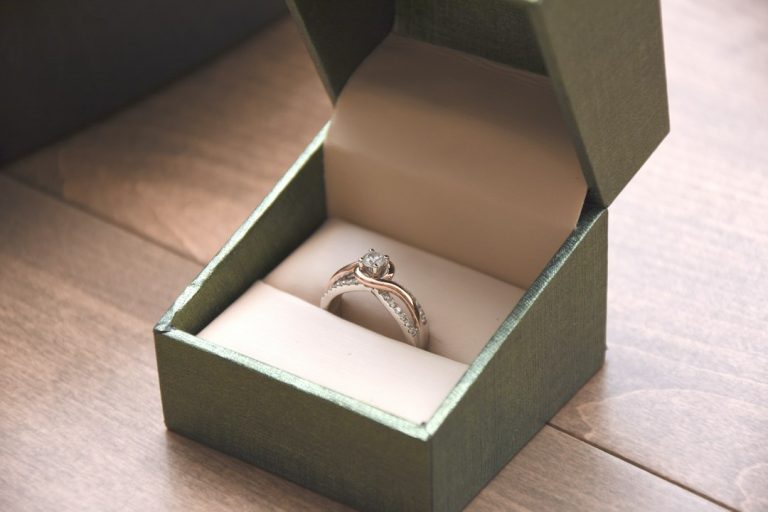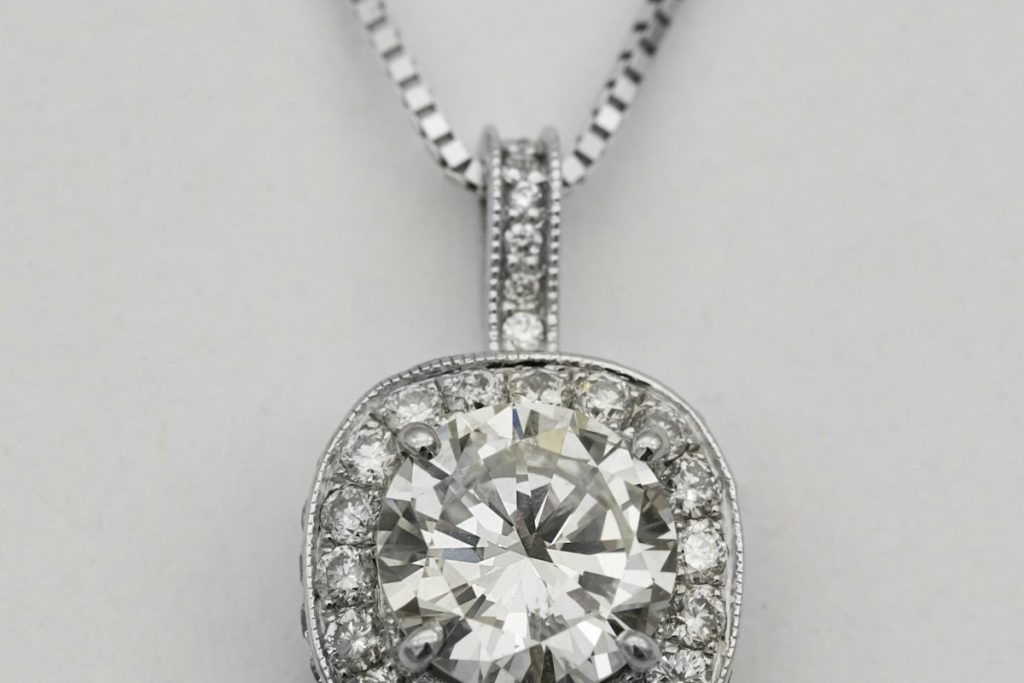
Choosing an engagement ring setting is a deeply personal journey, often overshadowed by the dazzling centerpiece. Yet, the setting is the unsung hero, dictating not only the stone’s presentation but also the ring’s wearability and overall aesthetic. Two prominent contenders, the Cathedral and Peg Head settings, offer distinct approaches to showcasing a diamond. One elevates, the other streamlines. This analysis dissects their core differences, focusing on the crucial aspects of snagging, side profile elegance, and ultimately, which deserves the crown for everyday wear and enduring style.
Understanding Cathedral Settings: Height, Visibility, and Style
The Cathedral setting is instantly recognizable for its structural integrity and the way it builds upwards. Resembling the architectural arches of a cathedral, this setting uses prongs that extend from the ring’s shank, creating a supportive framework that cradles the center stone. This design choice inherently raises the diamond, making it the undeniable focal point and maximizing its exposure to light.
Cathedral Setting: The Classic Statement
Traditionally, cathedral settings embody a classic, often formal, elegance. They lend an air of grandeur and importance to the center stone, making even smaller diamonds appear more substantial. The prongs, typically four or six, are integrated into the band’s structure, rising vertically to secure the gemstone. This robust construction ensures excellent security for the diamond.
Pros of Cathedral Settings: Dominant Center Stone, Enhanced Brilliance
The primary advantage of a cathedral setting lies in its ability to dramatically present the center stone. By lifting the diamond significantly above the band, it achieves unparalleled visibility from all angles. This elevation also allows light to enter and refract from the pavilion of the stone more freely, resulting in enhanced brilliance and sparkle. Furthermore, the integrated prong structure offers robust security, minimizing the risk of the diamond becoming dislodged. For those who desire their diamond to be the absolute star of the show, the cathedral setting delivers emphatically.

Cons of Cathedral Settings: Potential for Snagging, Higher Profile
The very feature that grants the cathedral setting its prominence—its height—is also its main drawback. The elevated prongs and the overall raised profile of the diamond make it more susceptible to catching on clothing, hair, or other materials. This snagging can be a persistent annoyance for individuals with active lifestyles or those who prefer not to be constantly mindful of their ring. The higher profile also means the ring sits more prominently on the finger, which, while elegant, can be less comfortable for some during daily activities, especially when dealing with tight spaces or needing to frequently insert hands into pockets.
Cathedral Setting Pros
- Exceptional center stone visibility and dominance.
- Enhanced diamond brilliance due to increased light exposure.
- Robust security for the gemstone.
- Classic and timeless aesthetic.
Cathedral Setting Cons
- Higher risk of snagging on clothing and other items.
- More pronounced profile can be less comfortable for some.
- May require more frequent cleaning to maintain sparkle if snagging occurs.
Exploring Peg Head Settings: Sleekness, Security, and Subtle Charm
In contrast to the cathedral setting’s architectural grandeur, the peg head setting offers a more minimalist and streamlined approach. In this design, the prongs are typically set lower and are often more integrated into the head of the setting, which itself sits closer to the finger. The term “peg head” refers to the way the prongs effectively ‘peg’ the stone down, creating a lower, sleeker profile.
Peg Head Setting: The Modern Silhouette
Peg head settings exude a modern, understated elegance. They are designed for comfort and practicality, prioritizing a smooth finish that minimizes potential snags. The center stone, while still beautifully displayed, is presented with a more subtle emphasis compared to the dramatic elevation of a cathedral setting. This makes it an excellent choice for those who appreciate clean lines and a less obtrusive ring design.
Pros of Peg Head Settings: Reduced Snagging, Lower Profile, Comfort
The most significant advantage of the peg head setting is its significantly reduced tendency to snag. The lower profile and often more integrated prongs create a smoother surface that glides easily over fabrics and other materials. This makes it an ideal choice for individuals with active professions or hobbies, or simply for anyone who values the practical aspect of not having their ring catch on things. The lower profile also contributes to greater comfort during daily wear, reducing the likelihood of bumps and making it easier to navigate tight spaces. It offers a sleek, contemporary look that appeals to many modern sensibilities.

Cons of Peg Head Settings: Less Dramatic Center Stone Presentation
The trade-off for the peg head setting’s practicality and sleekness is a less dramatic presentation of the center stone. Because the diamond sits lower, it may not receive quite as much light from all angles compared to a cathedral setting. This can result in a slightly less intense sparkle, and the overall visual impact of the stone might be more subdued. While still beautiful, the center stone doesn’t command the same overt presence as it does in a cathedral setting. This might be a consideration for individuals who want their diamond to be the absolute, unmissable centerpiece.
Peg Head Setting Pros
- Significantly reduced snagging, ideal for active lifestyles.
- Lower profile offers enhanced comfort for daily wear.
- Sleek, modern, and understated aesthetic.
- Generally more secure against accidental knocks due to lower profile.
Peg Head Setting Cons
- Center stone presentation is less dramatic and may have slightly reduced brilliance.
- May make smaller stones appear less substantial.
Direct Comparison: Cathedral vs. Peg Head for Everyday Wear
When the theoretical elegance meets the reality of daily life, the differences between cathedral and peg head settings become stark. The choice often boils down to prioritizing the dramatic display of the stone versus the practical comfort and resilience of the ring.
| Feature | Cathedral Setting | Peg Head Setting |
|---|---|---|
| Snagging Potential | Higher; prongs can catch on fabrics and hair. | Lower; smoother profile minimizes snagging. |
| Side Profile Elegance | Tall, stately, emphasizes height and presence. | Sleek, low-profile, hugs the finger closely. |
| Center Stone Visibility | Maximum; stone is elevated and highly exposed. | Good, but less dramatic than cathedral; stone is lower. |
| Diamond Brilliance | Potentially higher due to unobstructed light entry. | Slightly less intense due to lower profile. |
| Comfort for Daily Wear | Can be less comfortable due to height; potential for knocks. | Generally higher comfort due to low profile. |
| Security | Excellent structural security. | Excellent security, less prone to accidental impacts. |
| Aesthetic | Classic, traditional, grand. | Modern, minimalist, understated. |
| Best for | Those prioritizing stone display and classic style; less active lifestyles. | Active individuals, those prioritizing comfort and a modern look. |
Snagging Potential: Which Setting Catches Least?
Without a doubt, the peg head setting wins this category. Its design philosophy centers on minimizing friction and snagging. The prongs are typically shorter and better integrated into the head, creating a smoother surface that is less likely to catch on sweaters, scarves, or even hair. The cathedral setting, with its dramatically extended prongs reaching up to embrace the diamond, presents a more complex and raised profile. These prongs, while beautiful, are simply more exposed and thus more prone to snagging. For someone whose hands are constantly in motion or working with materials, the peg head offers a significant advantage in reducing daily annoyances.
Side Profile Elegance: A Matter of Perspective
Elegance is subjective, but the side profile speaks volumes about a setting’s character. The cathedral setting offers a majestic, almost regal, profile. It emphasizes the verticality, drawing the eye upward towards the diamond and giving the ring a sense of importance and permanence. It’s the setting that says, “This is a significant piece.” The peg head setting, conversely, presents a sleek, low-slung profile. It hugs the finger, appearing more integrated with the hand rather than perched atop it. This minimalist approach conveys a modern, understated sophistication. The choice here is purely about whether one prefers a statement piece that stands tall or a refined accent that lies closer to the skin.

Durability and Security: A Clear Winner?
Both settings offer excellent security for the center stone when crafted well by a reputable jeweler. The cathedral setting’s robust, integrated prongs provide a strong embrace, effectively protecting the diamond from impacts. Its elevated position, however, does mean the stone is more exposed to potential direct hits. The peg head setting, by sitting lower, inherently shields the diamond more effectively from accidental knocks and bumps. While both are secure, the peg head setting might offer a marginal edge in protecting the diamond from the *most* common types of daily impact due to its lower profile. The actual durability also heavily depends on the metal thickness and prong design, regardless of the setting style.
Beyond the Basics: Factors Influencing Your Choice
While snagging and side profile are key differentiators, several other elements should guide the decision between a cathedral and peg head setting. The interplay between the setting, the diamond’s characteristics, and the wearer’s lifestyle is crucial for long-term satisfaction.
Center Stone Size and Shape Compatibility
The cathedral setting truly shines with larger center stones. Its substantial framework can comfortably support and display bigger diamonds, preventing them from looking overwhelmed by the setting. It is also versatile for various shapes, though it particularly enhances the grandeur of round, oval, and cushion cuts. For smaller stones, a cathedral setting might risk overpowering them. The peg head setting, conversely, is an excellent choice for smaller to medium-sized stones. Its lower profile can make a smaller diamond appear more delicate and proportionally balanced, preventing it from looking lost. It works well with all shapes but is particularly flattering for princess, emerald, and asscher cuts, where its clean lines can complement the stone’s geometric facets.
Personal Style and Lifestyle Considerations
This is arguably the most critical factor. If the wearer leads an active life—engaging in sports, frequenting gyms, working with their hands, or simply tends to be more ‘hands-on’—the peg head setting’s reduced snagging and lower profile offer undeniable practical benefits. It’s the choice for the Type B hiker who wants a beautiful ring without constant worry. For someone with a more sedentary lifestyle, or whose profession doesn’t involve constant manual labor, the cathedral setting’s dramatic flair can be fully appreciated without the daily risk of snagging. This is the domain of the Type A individual who values the aesthetic statement above all else and is mindful of their jewelry.

Metal Choice and its Impact on the Setting
The metal chosen for the ring can subtly influence the perception and practicality of both settings. Platinum, known for its durability and density, can make both settings feel even more substantial and secure. White gold offers a similar bright appearance to platinum but may require re-plating over time. Yellow gold provides a warm contrast, especially appealing with certain diamond colors or for those with a penchant for classic yellow gold jewelry. Rose gold offers a romantic hue that complements many skin tones. Importantly, for a cathedral setting, the metal choice can impact the perceived ‘weight’ of the prongs—thicker prongs in platinum might feel more robust, while thinner white gold prongs could appear more delicate. For a peg head, the metal’s inherent hardness can further enhance its snag-resistance and durability.
Real-World Examples: Iconic Cathedral and Peg Head Rings
Examining famous examples helps solidify the distinct visual and stylistic contributions of each setting type.
Notable Cathedral Setting Engagement Rings
Many iconic royal and celebrity engagement rings feature cathedral settings. These often include large, prominent diamonds. Think of the classic settings that elevate a significant solitaire, making it the undisputed focal point. Princess Diana’s (and now Kate Middleton’s) 12-carat sapphire engagement ring, while a gemstone, is often set in a style reminiscent of a cathedral setting with its elevated, bezel-like structure that highlights the center stone. Many modern celebrity rings featuring large diamonds, like those favored by Hollywood stars for red carpet events, opt for cathedral settings to maximize the stone’s impact and sparkle under intense lighting.
Exemplary Peg Head Setting Engagement Rings
The peg head setting is favored for its modern sensibility and comfortable, low-profile design. While perhaps less historically documented with famous rings than the cathedral, it is prevalent in contemporary designs. Many minimalist engagement rings, often featuring Asscher or emerald-cut diamonds where a low profile enhances clean lines, utilize a peg head or similar low-set prong design. It’s the choice for those who prefer a ring that feels more integrated with the finger and less likely to draw unwanted attention through snagging. Think of sleek, modern designs often seen on fashion-forward individuals or those working in professions where a lower profile is essential.
Expert Advice: Choosing the Right Setting for You
The ultimate decision hinges on a pragmatic assessment of your lifestyle, personal aesthetic preferences, and how you want your engagement ring to function day-to-day. Both settings have their merits, but one will undoubtedly align better with your individual needs.
Common Pitfalls to Avoid When Selecting a Setting
A major pitfall is selecting a setting based purely on aesthetics without considering practicality. A bride-to-be who is highly active might fall in love with a cathedral setting’s dramatic appearance but find the constant snagging a source of frustration. Conversely, someone who prefers a statement piece might choose a low-profile peg head setting and later feel the center stone lacks the desired presence. Another mistake is not considering the diamond’s shape and size in relation to the setting; a cathedral setting can overwhelm a tiny diamond, while a peg head might make a very large stone seem less impactful. Always discuss your lifestyle with your jeweler.
Maximizing Brilliance and Security in Your Chosen Setting
For a cathedral setting, ensure the prongs are well-polished and strategically placed to minimize snagging as much as possible without compromising security. Opting for rounded prong tips can help. To maximize brilliance, ensure the setting doesn’t obstruct light paths to the diamond’s pavilion. For a peg head setting, meticulous craftsmanship is key. The prongs should lie smoothly against the girdle of the diamond, creating a clean line. Security here relies on the prongs holding the stone firmly in place without excessive metal, and the low profile preventing undue stress from impacts. In both cases, choosing a reputable jeweler who understands the nuances of setting design and diamond security is paramount.
👑 Ultimate Winner: Peg Head Setting (for Everyday Wear)
While the cathedral setting offers undeniable classic grandeur and makes a powerful statement, the peg head setting emerges as the Ultimate Winner for the majority of individuals seeking an engagement ring for everyday wear. Its significantly reduced snagging potential, superior comfort due to its lower profile, and sleek, modern aesthetic make it a more practical and resilient choice for active lifestyles. It provides excellent security without the constant worry of catching on clothing or obstacles. For those prioritizing a balance of beauty and wearability, the peg head setting is the clear, logical choice, ensuring the ring remains a source of joy rather than a potential hazard.