🧰 Tools & Gear You’ll Need
- Diamond Certificate (GIA, AGS, etc.)
- Jeweler’s Loupe (10x magnification)
- Calibrated Weighing Scale (for diamond weight verification, optional)
- Light Source (consistent, neutral lighting)
- Smartphone or Camera (for documenting observations, optional)
Understanding the Diamond 4Cs: Beyond Just Size
For decades, the diamond industry has revolved around the “4Cs”: Carat, Color, Clarity, and Cut. While all are important, the prevailing consumer focus often gravitates towards carat weight, sometimes at the expense of a diamond’s true beauty. This guide cuts through the marketing noise to empower you to prioritize cut quality, the unsung hero of a diamond’s sparkle, by understanding and scrutinizing its certificate.
Carat Weight: The Illusion of Value
Carat weight, a measure of a diamond’s mass, is frequently the first thing consumers lock onto. It’s easy to understand: bigger is often perceived as better and more valuable. However, this is a dangerous oversimplification. A larger diamond with a poor cut will appear dull and lifeless, while a smaller diamond with a superior cut can exhibit significantly more brilliance, fire, and scintillation, making it appear more captivating. The price of diamonds also increases exponentially with carat weight, meaning you can pay a hefty premium for size alone without a proportional increase in visual appeal.
Color: The Absence of Tint
Diamond color grading ranges from D (colorless) to Z (light yellow or brown). A truly colorless diamond is rare and commands a higher price. However, subtle differences in color, especially between grades like G, H, and I, can be imperceptible to the naked eye, particularly when the diamond is set in jewelry. Most buyers can find a stunning diamond in the near-colorless range (G-J) without sacrificing significant visual appeal, allowing budget to be allocated elsewhere, ideally to cut quality.
Clarity: Internal and External Flaws
Clarity refers to the presence or absence of internal inclusions and external blemishes. Grading scales range from Flawless (FL) down to Included (I1, I2, I3). While a flawless diamond is the rarest, many diamonds graded as Very Slightly Included (VS1, VS2) or even Slightly Included (SI1) can appear eye-clean. This means any imperfections are too small to be seen without magnification. Prioritizing VS or even high SI clarity can offer excellent value, as significant price jumps occur at the higher clarity grades, often without a discernible difference in appearance to the untrained eye.
Cut Quality: The Most Important “C”
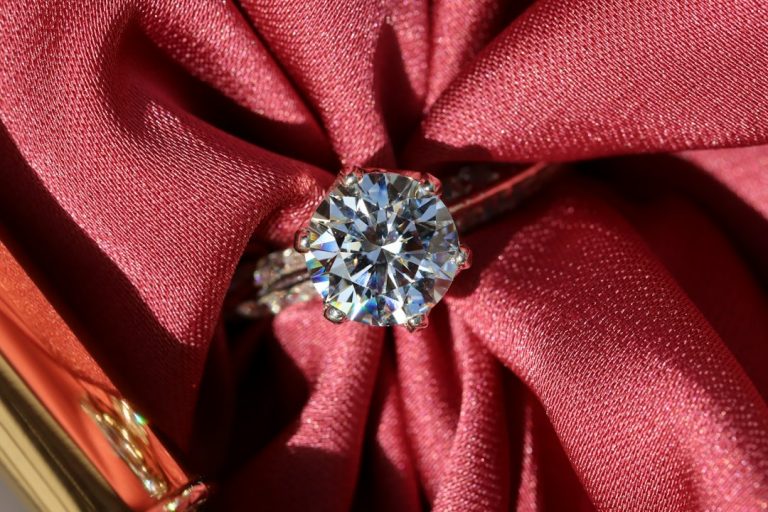
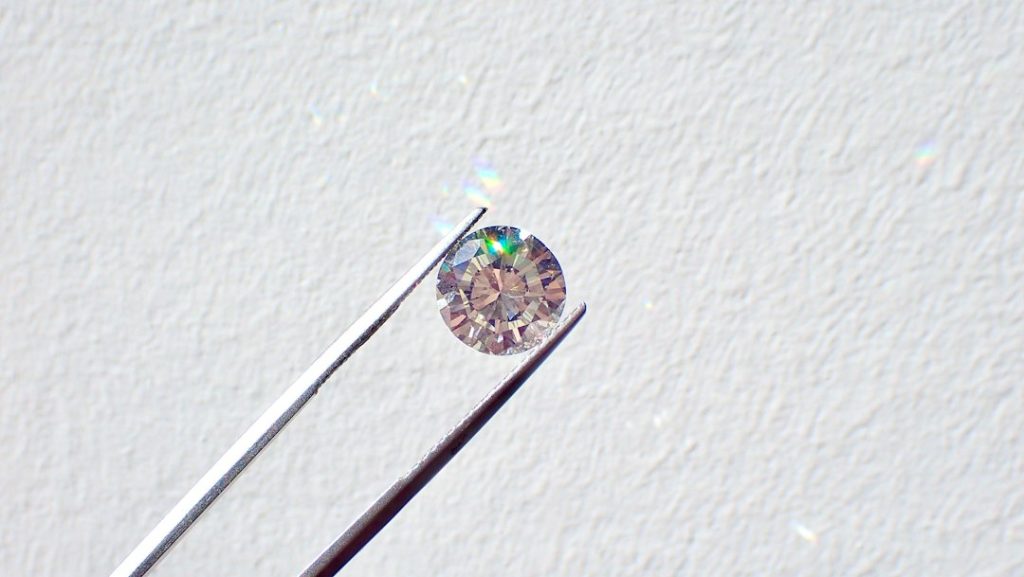
This is where the magic happens. Cut quality refers to how well a diamond has been proportioned, polished, and has symmetry. It’s the *only* “C” directly impacted by human craftsmanship. A well-cut diamond maximizes the reflection and refraction of light, resulting in brilliance (white light return), fire (dispersion of light into spectral colors), and scintillation (the sparkle and pattern of light and dark areas as the diamond moves). A poor cut, regardless of carat, color, or clarity, will result in a dull, lifeless stone that absorbs light rather than reflecting it.

Decoding the Diamond Certificate: What to Look For
A diamond certificate, also known as a grading report, is your primary tool for verifying a diamond’s characteristics. It’s issued by a reputable gemological laboratory and provides an objective assessment of the 4Cs. However, not all certificates are created equal, and understanding what you’re reading is crucial.
The Gemological Institute of America (GIA) Certificate Explained
The GIA is widely considered the gold standard in diamond grading. Its reports are comprehensive and highly trusted. Key sections include:
- Identification: Diamond shape, measurements, and carat weight.
- Grading Results: The 4Cs grades. Pay close attention to the Cut grade, which is crucial.
- Proportions: Detailed measurements like table percentage, depth percentage, pavilion depth, crown angle, crown height, and girdle thickness. These directly inform cut quality.
- Finish: Grades for polish and symmetry.
- Enhancement: Notes any treatments (though GIA typically doesn’t grade treated diamonds).
- Fluorescence: Describes the diamond’s reaction to UV light.
- Security Features: Laser inscription number, watermarks, etc.
Other Reputable Lab Certificates (AGS, EGL) and Their Differences
While GIA is the benchmark, other labs like the American Gem Society (AGS) and European Gemological Laboratory (EGL) also issue reports. AGS, in particular, has a robust system for evaluating cut, often providing more detailed breakdowns than GIA. EGL reports, however, have historically been known for grading discrepancies, with some EGL reports assigning higher grades (especially for color and clarity) than GIA would. It’s generally advisable to stick with GIA or AGS for the most reliable grading.
Identifying Key Cut Quality Indicators on the Certificate
This is where you shift focus from size to sparkle. The certificate provides the data; you need to interpret it.
Proportions: Table Percentage, Depth Percentage, Girdle Thickness
These numbers dictate how light travels through the diamond. There’s an optimal range for each:
- Table Percentage: The width of the diamond’s top facet relative to its diameter. For a round brilliant, the ideal range is typically 53% to 58%. A table that’s too large or too small can lead to light leakage and reduced brilliance.
- Depth Percentage: The total height of the diamond from the culet (point) to the table, divided by its average diameter. For a round brilliant, the sweet spot is generally between 59% and 63%. Too deep, and light can exit through the sides; too shallow, and it can escape through the bottom.
- Girdle Thickness: The width of the diamond’s edge. A girdle that’s too thin can be prone to chipping, while one that’s too thick adds unnecessary carat weight without improving appearance. A range of “thin to medium” or “medium” is generally good.
GIA’s “Cut Grade” (Excellent, Very Good, Good, Fair, Poor) is a summary, but examining the individual proportion numbers provides deeper insight. A diamond with an “Excellent” cut grade from GIA will generally have proportions falling within very tight, optimal ranges.

Polish and Symmetry: The Finishing Touches
These relate to the quality of the diamond’s surface and the alignment of its facets.
- Polish: Refers to the smoothness of the diamond’s surface. “Excellent” or “Very Good” polish is desirable. Poor polish can hinder light reflection.
- Symmetry: Refers to how precisely the facets align with each other. “Excellent” or “Very Good” symmetry ensures that light is reflected predictably and efficiently. Misaligned facets can cause dull spots or distorted sparkle.
Both are critical for maximizing brilliance and scintillation. A diamond can have perfect proportions but still lack sparkle if its polish is poor or symmetry is off.
Fluorescence: A Factor Affecting Appearance
Fluorescence is the reaction a diamond has when exposed to ultraviolet (UV) light, typically appearing as blue, yellow, or white. It’s graded as None, Faint, Medium, Strong, or Very Strong. While often misunderstood, fluorescence can impact appearance. Strong blue fluorescence in a high-color diamond (D-F) can sometimes make the diamond appear slightly milky or oily, reducing its brilliance. Conversely, in lower-color diamonds (I-J and below), strong blue fluorescence can sometimes make them appear whiter, masking the yellowish tint. For most buyers, “None” or “Faint” fluorescence is ideal, but “Medium” can also be acceptable and sometimes offer a slight price advantage.
Ensuring Cut Quality: Prioritizing Brilliance Over Bulk
The ultimate goal is a diamond that captivates with its sparkle. Understanding the “why” behind prioritizing cut is key.
Why Cut Quality Trumps Carat Size for Sparkle
Imagine a perfectly cut, 1-carat diamond with D color and IF clarity. Now imagine a poorly cut, 1.5-carat diamond with the same color and clarity. The larger diamond might command a higher price due to its size, but the 1-carat stone will likely be far more beautiful. The interaction of light with the diamond is what creates its mesmerizing display. A superior cut ensures that light enters the diamond, reflects internally, and returns to the viewer’s eye, creating brilliance, fire, and scintillation. A poor cut allows light to escape through the bottom or sides, resulting in a dull, lifeless appearance, regardless of how large, colorless, or internally pure the diamond is.
Spotting Red Flags: Certificates That Mislead on Cut
Be cautious of certificates from less reputable labs that assign “Excellent” or “Ideal” cut grades without providing detailed proportion numbers or with proportions falling outside optimal ranges. Some labs may use different, less stringent standards. Also, watch out for certificates that omit detailed proportion data entirely, which can be a sign they are trying to hide less-than-ideal measurements.
Analyze Proportion Data
Look at the Table % and Depth % on the certificate. For round brilliant diamonds, aim for a Table % between 53-58% and a Depth % between 59-63%. Deviations outside these ranges, especially combined with a summary “Very Good” or “Good” cut grade, suggest compromised light performance.
Evaluate Polish & Symmetry
Ensure both Polish and Symmetry are graded “Excellent” or “Very Good.” These grades indicate meticulous craftsmanship, essential for maximizing brilliance and scintillation.
Consider Fluorescence Impact
Note the fluorescence grade. While not always detrimental, be aware of its potential impact, especially on higher color grades. If unsure, ask for visual confirmation.
Leveraging Certificate Data for Optimal Brilliance and Fire
Use the proportion numbers as a filter. Start by looking for diamonds with GIA’s “Excellent” cut grade. Then, examine the specific measurements. If two diamonds have similar summary cut grades, compare their proportion numbers. A diamond with a slightly higher price but superior proportions, polish, and symmetry will likely offer a visibly more beautiful performance.
Practical Steps: Verifying Your Diamond’s Certificate
Don’t just take the certificate at face value. Employ these verification steps.
Requesting and Reviewing the Certificate Before Purchase
Always ask for the diamond’s certificate *before* making a purchase decision. Reputable jewelers will readily provide it. Take your time to review it thoroughly. If purchasing online, ensure the certificate number matches the diamond you’re interested in, and ideally, view a high-resolution image or video of the actual diamond.
Obtain the Certificate
Ask your jeweler for the diamond’s grading report from a reputable lab (GIA or AGS preferred) before you commit to buying.
Verify Key Data
Check the carat weight, color grade, clarity grade, and most importantly, the cut grade and its supporting proportion numbers (Table %, Depth %, Polish, Symmetry).
Cross-Reference Online
Many labs, including GIA, allow you to look up reports online using the certificate number. Verify that the report details match what the seller is presenting.
Cross-Referencing Certificate Data with Visual Inspection
The certificate is a guide, but your eyes are the ultimate judge. If possible, view the diamond under various lighting conditions (natural daylight, fluorescent light, incandescent light). Does it exhibit strong brilliance, lively fire, and pleasing scintillation? Does the sparkle seem consistent, or are there dull spots? Compare what you see to the data on the certificate. If a certificate claims “Excellent” cut but the diamond looks dull, investigate further.

When to Seek a Second Opinion from an Independent Gemologist
If you have any doubts, especially for significant purchases, consult an independent gemologist. They are not affiliated with any retailer and can provide an unbiased assessment of the diamond and its certificate. They can verify the grading and offer expert advice on whether the diamond’s beauty matches its reported characteristics and price.
Real-World Scenarios: Case Studies in Diamond Certification
Let’s look at how certificate details play out in practice.
Case Study 1: The Over-Carated Diamond with Poor Cut
Scenario: A customer is shown a 1.50-carat, G-color, VS1-clarity diamond with a certificate from a lesser-known lab. The certificate states an “Excellent” cut grade. However, upon closer inspection of the proportions, the table is 65% and the depth is 55%. Visually, the diamond appears dull, with a large “fish-eye” effect (a glassy-looking reflection of the girdle) and significant light leakage.
Analysis: The “Excellent” cut grade is misleading. The extreme table percentage and shallow depth cause light to escape, resulting in poor brilliance. The customer paid a premium for the 1.50-carat size but received a diamond that looks less impressive than a well-cut 1-carat stone.
Case Study 2: The Smaller Diamond with Exceptional Cut and Brilliance
Scenario: Another customer considers a 0.95-carat, G-color, VS1-clarity diamond with a GIA certificate. The proportions are ideal: Table 56%, Depth 61.5%, with Excellent polish and symmetry. The diamond exhibits exceptional brilliance, fire, and scintillation, appearing lively and dazzling.
Analysis: Although slightly smaller than the diamond in Case Study 1, this diamond’s superior cut quality makes it visually superior. The well-executed proportions and finishing ensure maximum light return, creating a more beautiful and captivating gemstone. The customer gets more “bang for their buck” in terms of visual appeal, even with a slightly lower carat weight.
Common Pitfalls to Avoid When Checking Diamond Certificates
Navigating diamond certification can be complex. Be aware of these common mistakes:
The Danger of Unverified or Incomplete Certificates
Never purchase a diamond without a certificate from a reputable laboratory. Avoid sellers who provide only their own “in-house” appraisals or certificates from obscure grading entities. Missing proportion data, or certificates that lack security features, are also red flags.
Misinterpreting Technical Terms and Grading Scales
Understanding the nuances of each “C” is vital. For instance, confusing “color” with “lack of color” or “clarity” with “flawlessness” can lead to paying for qualities that aren’t visually significant. Relying solely on the summary grade (e.g., “Excellent”) without checking the supporting data (proportions, polish, symmetry) is a common error.

Falling for Marketing Hype Over Objective Data
“Hearts and Arrows” diamonds, for example, refer to a specific cutting style that aims for near-perfect symmetry, visible as a pattern when viewed from above. While often associated with excellent cuts, the term itself isn’t a formal grading standard. Focus on the objective data provided by the certificate (proportions, polish, symmetry) rather than relying solely on marketing terms.
Future Trends in Diamond Certification and Verification (2026)
The landscape of diamond certification is constantly evolving, driven by technology and consumer demand for transparency.
Advancements in Grading Technology
Expect continued advancements in automated grading technology. AI and sophisticated imaging systems are becoming more prevalent in labs, aiming for even greater consistency and accuracy in grading across all 4Cs. This could lead to more detailed reports and potentially new metrics for evaluating diamond beauty.
The Role of Blockchain in Diamond Provenance
Blockchain technology is increasingly being explored and implemented to track diamonds from mine to market. This provides an immutable digital record of a diamond’s journey, ensuring ethical sourcing and authenticity. While not directly related to cut quality grading, it adds a layer of trust and transparency to the overall value proposition of a diamond, complementing the information found on its certificate.
By understanding your diamond certificate and prioritizing cut quality, you can make a more informed decision, ensuring you invest in a diamond that truly sparkles and delights for a lifetime.