🧰 Tools & Gear You’ll Need
- Clean white cloths or paper towels
- Cold water
- Club soda
- Salt
- White vinegar
- Talcum powder or cornstarch
- Baby oil or makeup remover (oil-based)
- Cotton swabs
- A small bowl
- Blotting paper (optional)
- A sewing kit (for minor repairs)
- A trusted professional dry cleaner’s contact information
Immediate Action: Tackling Wine Stains on Your Wedding Day
A splash of red wine on your pristine bridal gown is a bride’s worst nightmare, especially on the wedding day. The key is swift, decisive action. Don’t panic; instead, grab the nearest clean white cloth or paper towel and get to work immediately. The longer the wine sits, the deeper it penetrates the fabric, making removal significantly harder.
The Blotting Technique: First Steps to Remove Red Wine
Never rub a wine stain. Rubbing will spread the stain and push the wine deeper into the fibers, potentially setting it permanently. Instead, gently blot the stained area with a clean white cloth or paper towel. Start from the outside of the stain and work your way inward. This technique helps to lift the wine out of the fabric without spreading it further.
Cold Water Rinse: A Gentle Approach for Fresh Stains
If you have access to cold water, use it. Gently flush the stained area from the back of the fabric. This helps push the wine out rather than further in. You can also dab the stain with a cloth dampened with cold water. Avoid hot water at all costs, as heat can set wine stains, making them incredibly difficult, if not impossible, to remove.

DIY Stain Remover Solutions: When to Use What (Club Soda, Salt, White Vinegar)
For stubborn fresh stains, a few household items can be surprisingly effective. Club soda is a go-to for many. Pour a small amount directly onto the stain and continue blotting. The carbonation can help lift the wine. Salt is another excellent absorbent. Once you’ve blotted up as much excess wine as possible, generously cover the stain with salt. Let it sit for a while to absorb the remaining wine, then gently brush it off. If the stain persists, a mixture of equal parts white vinegar and cold water can be applied. Dab it onto the stain with a clean cloth, let it sit for a few minutes, then blot with cold water. White vinegar’s acidity helps break down the wine pigments.
Makeup Mishaps: Erasing Foundation and Lipstick from Your Bridal Gown
Makeup stains, whether from foundation, lipstick, or mascara, are also common wedding day emergencies. These often involve oils and pigments that can be tricky to lift, but with the right approach, they can be managed.
Gentle Wipes: Removing Makeup Without Smudging
For light makeup smudges, especially powder-based products like eyeshadow or blush, start by gently brushing away any excess powder. Then, use a clean, dry white cloth to gently dab the affected area. Avoid spreading the makeup. If it’s foundation or a cream product, use a slightly damp cloth with cold water to gently blot. The goal is to lift the makeup without pushing it deeper into the fabric.
Oil-Based Makeup Removal: Tackling Stubborn Cosmetics
Foundation, lipstick, and tinted moisturizers often contain oils that bind to the fabric. For these, an oil-based solution is surprisingly effective. Apply a small amount of baby oil or a gentle makeup remover (specifically one for waterproof makeup, which is usually oil-based) directly onto a cotton swab or the corner of a clean white cloth. Gently dab the stain. The oil in the product will help break down the oils and pigments in the makeup. Follow up by blotting with a clean, damp cloth to remove the makeup remover and residual makeup.

Talcum Powder Trick: Absorbing Oily Makeup Residues
After using an oil-based remover, or for particularly greasy makeup stains, talcum powder (or cornstarch) is your best friend. Apply a generous amount of talcum powder or cornstarch directly onto the stained area. Let it sit for at least 15-30 minutes, or even longer if possible. The powder will absorb any remaining oil and makeup residue. Gently brush off the powder. You may need to repeat this process or follow up with a gentle cleaning solution if the stain is still visible.
Specific Fabric Considerations for Wedding Gowns
Wedding gowns are crafted from a variety of delicate and sometimes tricky fabrics. The method you use for stain removal must take the material into account to avoid irreversible damage.
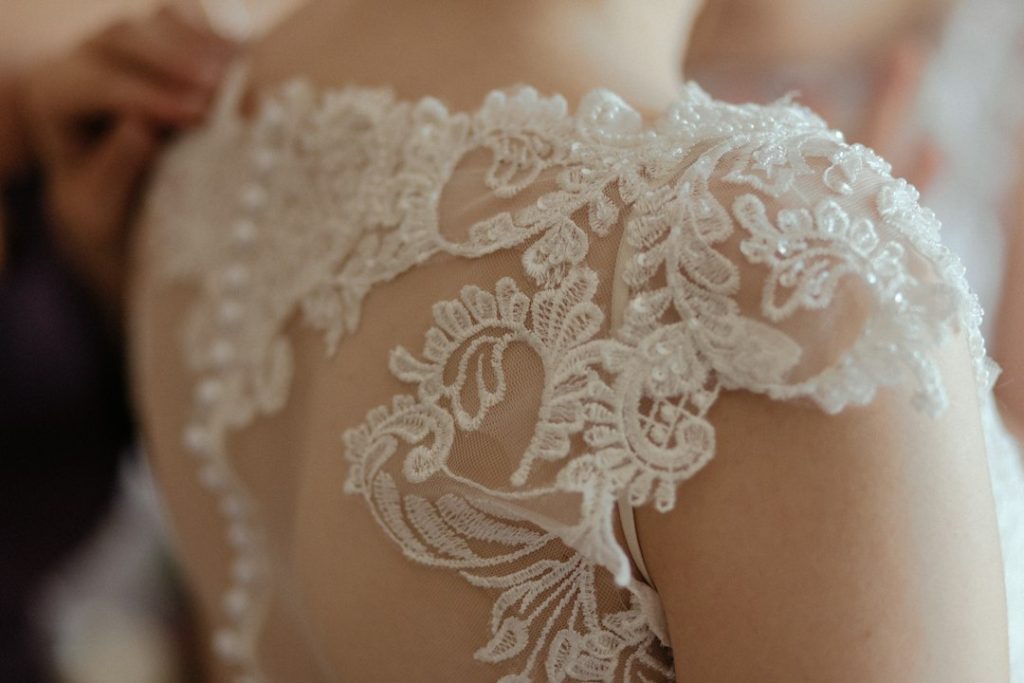
Delicate Lace and Beadwork: Avoiding Damage During Stain Removal
Lace and beadwork require the utmost care. Avoid excessive pulling, stretching, or harsh scrubbing. For wine or makeup stains on lace, use cotton swabs to gently dab the cleaning solution directly onto the stained threads, trying to keep the solution confined to the stain itself. For beadwork, try to blot around the beads rather than directly on them, as harsh chemicals or excessive moisture can damage adhesives or the beads themselves.

Silk and Satin: Stain Removal Techniques for Smooth Fabrics
Silk and satin are luxurious but prone to water spots and staining. For these smooth fabrics, blotting is crucial. Use cold water sparingly and always blot outward from the stain. For oil-based makeup, use a cornstarch or talcum powder treatment first, as it’s less likely to leave a water mark than liquid removers. If a liquid remover is necessary, apply it to a cloth first, not directly to the fabric, and work quickly and gently.
Tulle and Chiffon: Preserving the Drape and Texture
Tulle and chiffon are lightweight, airy fabrics that can be easily snagged or distorted. Treat stains on these materials with extreme gentleness. Blotting is key. Avoid any vigorous rubbing or wringing. For liquid stains, use a blotting paper or a clean white cloth to absorb as much as possible. For tougher stains, consider a very mild detergent diluted in cold water, applied with a clean cloth, and then gently blotted with plain cold water. Always press out excess moisture rather than wringing.
What NOT to Do: Common Mistakes to Avoid on Your Wedding Day
In the heat of the moment, it’s easy to make mistakes that can worsen a stain. Knowing what to avoid is just as important as knowing what to do.
The Dangers of Rubbing Stains
We can’t stress this enough: never rub a stain. Rubbing breaks the fabric fibers and spreads the staining agent, making it impossible for even professionals to remove. Gentle blotting is the only safe way to attempt stain removal on your wedding day.
Heat’s Negative Impact on Stains
Heat is the enemy of most stains, especially organic ones like wine or food. Applying hot water or using a hairdryer to dry a damp stain can permanently set the stain into the fabric. Always use cold water and allow the dress to air dry as much as possible.

Using the Wrong Cleaning Agents
Bleach, colored detergents, or harsh household cleaners can cause permanent discoloration or fabric damage. Stick to the gentle, tried-and-true methods like cold water, club soda, salt, white vinegar (diluted), or specifically recommended makeup removers. When in doubt, do nothing beyond blotting and rinsing with cold water until you can seek professional advice.
Post-Wedding Stain Treatment and Preservation
Even if you manage to remove most of a stain on the day, it’s crucial to have your gown professionally cleaned as soon as possible after the wedding. This ensures any residual stains are fully removed and prepares the dress for long-term storage.
Professional Cleaning Recommendations After the Event
Take your gown to a reputable dry cleaner specializing in wedding dresses. Inform them about the type of stains, where they occurred, and any treatment you attempted on the wedding day. This information is invaluable for the cleaner. They have the expertise and specialized chemicals to tackle even the most stubborn stains without damaging the fabric. Early professional cleaning significantly increases the chances of complete stain removal and prevents the stain from setting permanently over time.
Storing Your Gown Safely to Prevent Future Issues
Once cleaned, store your gown properly to preserve its beauty. Use a breathable garment bag made of acid-free cotton or muslin. Avoid plastic bags, which can trap moisture and lead to mildew. Store the gown flat or hanging from reinforced shoulder loops, never by the delicate straps or waistline. Keep it in a cool, dark, and dry place, away from direct sunlight and extreme temperature fluctuations. This ensures your cherished gown remains pristine for years to come.