The choice of bridal headwear and attire is a deeply personal one, often reflecting a bride’s style, the wedding’s theme, and deeply held traditions. For centuries, the wedding veil has reigned supreme, a symbol of purity, modesty, and marital transition. However, in recent years, the bridal cape has emerged as a formidable contender, offering a modern, dramatic alternative. This showdown delves into the enduring allure of the veil and the rising popularity of the cape, analyzing their aesthetic impact, suitability for different wedding styles, and practical considerations for the contemporary bride.
The Enduring Allure of the Wedding Veil: Timeless Elegance
The wedding veil is more than just an accessory; it’s a time-honored tradition woven into the fabric of wedding ceremonies across cultures. Its ability to evoke romance, tradition, and a sense of bridal mystique remains unparalleled. Different styles cater to a spectrum of tastes, from understated elegance to grand statements.
The Classic Cathedral Veil: Statement of Tradition
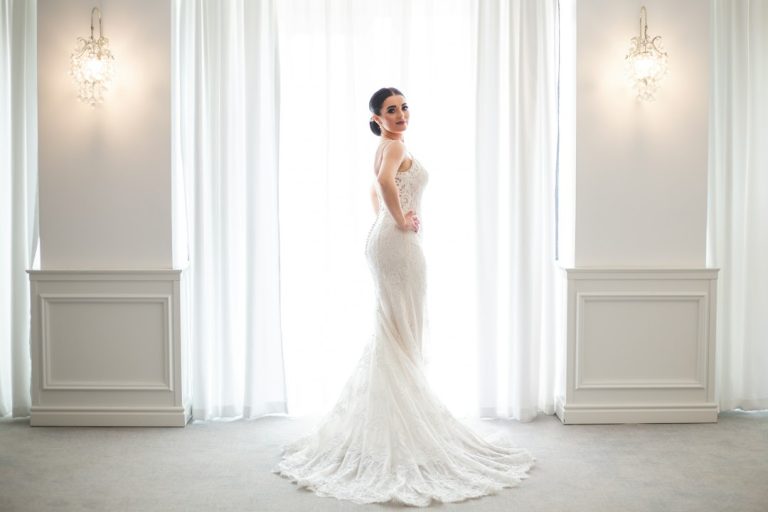
The cathedral veil is the epitome of traditional bridal fashion. Stretching well beyond the bride’s train, it creates a breathtaking, regal effect as she walks down the aisle. This style is best suited for formal church weddings or grand ballroom celebrations where its dramatic length can be fully appreciated. It signifies a profound connection to tradition and adds an undeniable element of awe to the bridal entrance.

The Chic Birdcage Veil: A Nod to Vintage Glamour
For brides seeking a touch of vintage charm and understated sophistication, the birdcage veil is an ideal choice. This short, often net-based veil covers only the eyes or a portion of the face, exuding a chic, retro vibe. It’s perfect for civil ceremonies, intimate garden weddings, or for brides whose wedding dress features intricate detailing on the shoulders or neckline that they don’t want to obscure.
The Versatile Fingertip Veil: Practical Sophistication
The fingertip veil, typically ending around the bride’s fingertips, strikes a perfect balance between tradition and practicality. It offers the romantic sweep of a longer veil without the potential for snagging or overwhelming a simpler dress. This versatile style complements a wide range of wedding dresses and themes, from rustic barn weddings to elegant beachfront ceremonies, providing grace without compromising movement.
The Rise of the Bridal Cape: A Contemporary Statement
In contrast to the veil’s long-standing history, the bridal cape is a more recent, yet rapidly growing, trend. It offers brides a modern, fashion-forward way to add drama, texture, and a unique silhouette to their wedding day look. Capes come in various lengths and fabrics, each offering a distinct style statement.
The Dramatic Floor-Length Cape: Regal and Bold
Similar to the cathedral veil in its grandeur, the floor-length cape provides a powerful, regal aesthetic. Made from luxurious fabrics like silk, satin, or heavy crepe, it drapes elegantly from the shoulders, creating a stunning profile. This option is perfect for a black-tie affair or a dramatic, high-fashion wedding where the bride wants to make a bold, unforgettable entrance.

The Ethereal Illusion Cape: Softness Meets Structure
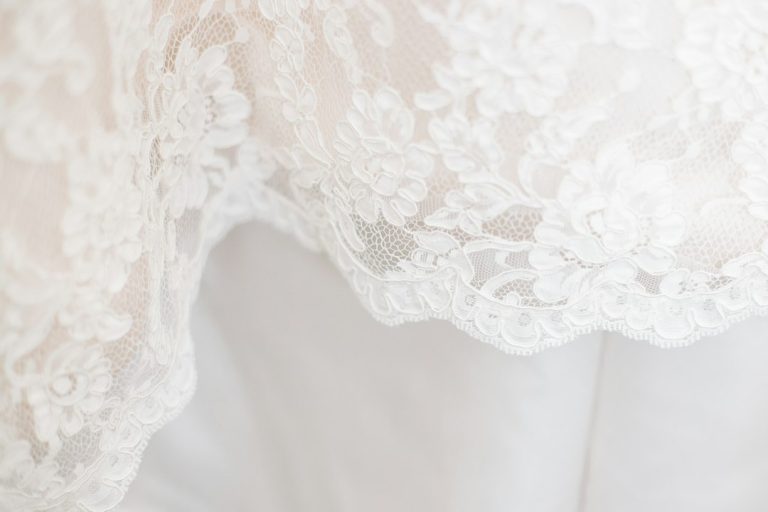
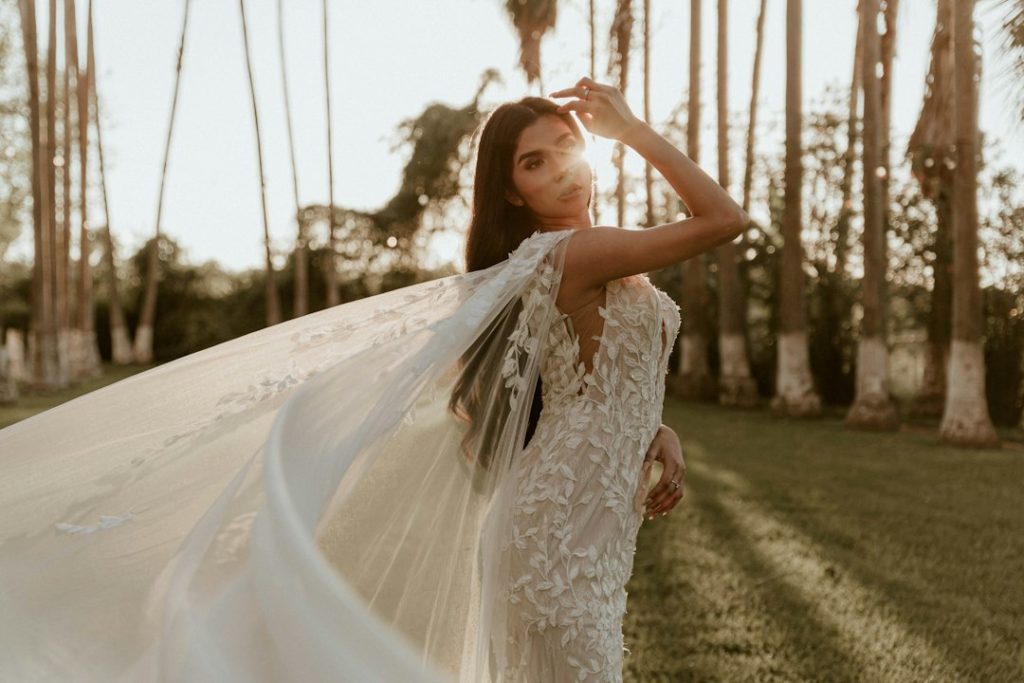
Illusion capes, often crafted from delicate tulle or lace, offer a softer, more romantic alternative to heavier fabrics. They provide a sense of coverage and elegance while allowing the details of the wedding dress to shine through. These are excellent for brides seeking a flowing, fairy-tale look, particularly suited for outdoor ceremonies like garden or beach weddings.
The Statement Capelet: Delicate Detail with Modern Edge
A capelet is a shorter, more subtle version of the bridal cape, often falling to the waist or hips. It adds a touch of sophistication and a modern twist without overwhelming the bride’s overall look. Capelets are ideal for brides who want a unique accessory that complements their dress, perhaps adding a touch of embellishment or a different texture, without the commitment of a full cape.
Veil vs. Cape: A Comparative Analysis for the Modern Bride
Choosing between a veil and a cape involves considering several factors that impact the overall bridal aesthetic and the practicalities of the wedding day.
Silhouette and Movement: How Each Affects Your Wedding Day Look
A veil, particularly a longer one, adds volume and a cascading effect to the bridal silhouette, emphasizing the back and train of the dress. It can create a sense of ethereal grace but may require careful handling to avoid tangles. A cape, on the other hand, can alter the entire shape of the dress, adding structure and drama. Floor-length capes create a powerful, elongated line, while shorter capelets offer a more contained, chic finish. The way each accessory moves with the bride – the float of a tulle veil versus the sweep of a fabric cape – significantly influences the visual narrative of the wedding.

Ceremony Style: Matching Veils and Capes to Wedding Themes
Veils are inherently traditional and lend themselves beautifully to classic, religious, or formal ceremonies. A cathedral veil amplifies the grandeur of a large church wedding, while a fingertip veil offers versatility for various settings. Birdcage veils suit vintage or quirky themes.
Capes offer a broader stylistic range for modern weddings. A dramatic floor-length cape suits a high-fashion, opulent event. An illusion cape works wonders for bohemian or romantic outdoor settings. A sleek, structured cape can elevate a minimalist, modern civil ceremony. The key is to align the chosen accessory with the overall wedding’s tone and setting.
Comfort and Practicality: Navigating Your Big Day with Ease
Practicality is a crucial consideration. Veils, especially long ones, can be cumbersome. They can obstruct vision, get caught on bouquets or furniture, and may require assistance during the ceremony and photos. Fingertip or birdcage veils are generally more manageable. Bridal capes, depending on their fabric and length, can also pose challenges. Heavy capes might be warm and restrictive, while long, flowing capes can be a tripping hazard. Lighter illusion or shorter capelet styles tend to be more comfortable and easier to manage throughout the day. For brides who prioritize ease of movement and comfort, shorter veils or lighter capes are often the preferred choice.
| Feature | Wedding Veil | Bridal Cape |
|---|---|---|
| Tradition Level | High (especially longer styles) | Moderate to Low (modern alternative) |
| Formality Suitability | Formal to Semi-Formal | Semi-Formal to Highly Formal/Fashion-Forward |
| Silhouette Impact | Adds volume, length, and ethereal flow | Adds structure, drama, can alter overall shape |
| Movement Factor | Can be sweeping but prone to tangles | Varies; flowing capes sweep, structured ones add stability |
| Comfort & Practicality | Varies; short veils practical, long veils can be cumbersome | Varies; lighter/shorter capes practical, long/heavy can be restrictive |
| Best for | Classic, traditional, romantic ceremonies; brides seeking timeless elegance | Modern, fashion-forward, dramatic ceremonies; brides seeking a unique statement |
| Potential Downsides | Can obscure vision, snag easily, may feel restrictive | Can be heavy/warm, potential tripping hazard, may overpower simple dresses |
Expert Insights: Styling Tips from Leading Bridal Fashion Stylists
Consulting with bridal fashion experts can provide invaluable guidance in making the final decision.
Pairing Veils and Capes with Different Wedding Dress Necklines
“For strapless or sweetheart necklines, a veil secured at the crown or a dramatic cape can create a beautiful frame,” advises renowned bridal stylist Anya Petrova. “With V-neck or illusion necklines, a veil that cascades down the back or a cape that drapes from the shoulders can complement the intricate details without competing.” A capelet can be a versatile choice for almost any neckline, adding a touch of flair without overwhelming the dress’s design.
Accessorizing Your Chosen Headpiece: Jewelry and Hair Complements
The choice of veil or cape can influence jewelry selection. With a veil, delicate earrings and a subtle necklace often suffice, allowing the veil to be the focal point. If opting for a cape, especially one with embellishments, simpler jewelry might be best. Consider the hairstyle: updos pair well with most veils and capes, while flowing hair might suit simpler veils or capes that don’t interfere with the locks.
Transitioning Your Look: From Ceremony to Reception
“Many brides choose to remove their veil after the ceremony for easier movement during the reception,” notes stylist Ben Carter. “Capes, particularly heavier ones, are also often removed for dancing and comfort. Lighter capes or capelets can sometimes be styled to remain part of the reception look.” Planning for this transition ensures you feel comfortable and stylish throughout your entire celebration.

Real Brides’ Real Choices: Case Studies and Style Inspiration
Examining the choices of real brides offers practical inspiration.
The Traditionalist: Embracing the Classic Veil
Sarah, who had a church wedding, opted for a classic cathedral veil paired with an A-line gown. “I always dreamed of having a veil,” she shared. “It felt like the ultimate symbol of my wedding day. The long veil added so much drama as I walked down the aisle, and it perfectly complemented the timeless feel of our ceremony.”
The Trendsetter: Making a Bold Statement with a Cape
For her modern city hall elopement, Chloe chose a sleek, minimalist crepe cape that attached at the shoulders of her sheath dress. “I wanted something unique and impactful,” Chloe explained. “The cape gave me a powerful silhouette and felt incredibly chic. It was the perfect modern alternative to a traditional veil, and it photographed beautifully.”
The Hybrid Approach: Combining Elements for a Unique Look
Emily desired the romance of a veil but also loved the structure of a cape. She chose a delicate lace fingertip veil and a detachable, floor-length tulle cape. “I wore the veil for the ceremony, and then removed it and kept the cape for the reception photos,” she said. “It gave me two distinct looks and allowed me to incorporate elements I loved from both traditions.”
Frequently Asked Questions: Veil vs. Bridal Cape Dilemmas (2026)
Can I wear a veil and a cape together?
Absolutely. Many brides successfully combine a veil with a cape, creating a layered and dramatic look. Often, a shorter veil is paired with a longer cape, or a delicate veil is worn under a more structured cape. The key is to ensure the elements complement each other and the wedding dress without appearing too busy.
Which is more formal, a veil or a cape?
Both can be highly formal, but the *style* dictates the level of formality. A long cathedral veil or a dramatic, floor-length silk cape would be suitable for the most formal events. Shorter styles, like birdcage veils or sleek capelets, can lend themselves to semi-formal or even more contemporary casual weddings.
How do I choose between a veil and a cape for my wedding dress?
Consider your dress’s style and neckline. A veil often enhances romantic or traditional dresses, while a cape can add a modern edge or drama. Think about your personal style and the overall theme of your wedding. Also, consider practicality – how easy will it be to wear and move in throughout the day?
What are the best bridal cape styles for outdoor weddings?
For outdoor weddings, lighter fabrics like illusion tulle or chiffon are often best, as they won’t be as affected by wind and are less likely to overheat you. Illusion capes can add a touch of magic to a garden or beach setting, while a flowing cape made of lighter material can move beautifully in a gentle breeze.
👑 Ultimate Winner: The Bride’s Personal Style
While the veil embodies timeless tradition and ethereal romance, and the bridal cape offers a modern, dramatic flair, the true “winner” is the choice that best reflects the individual bride’s personality, wedding vision, and comfort. Both accessories have unique strengths: the veil for its historical significance and soft elegance, the cape for its contemporary boldness and structural versatility. For the traditional bride, the veil remains an iconic choice. For the fashion-forward bride seeking a statement, the cape is an exciting alternative. Increasingly, brides are embracing hybrid approaches, proving that tradition and modernity can beautifully coexist. Ultimately, whether veiled or caped, the bride is the undisputed star of the show.