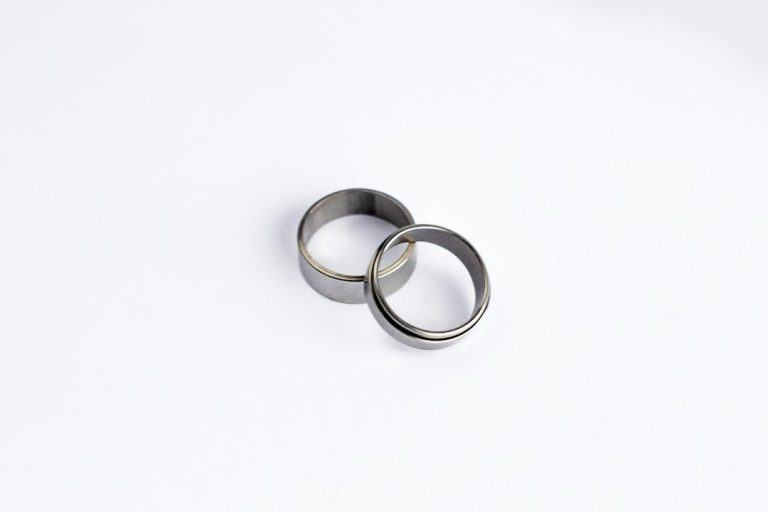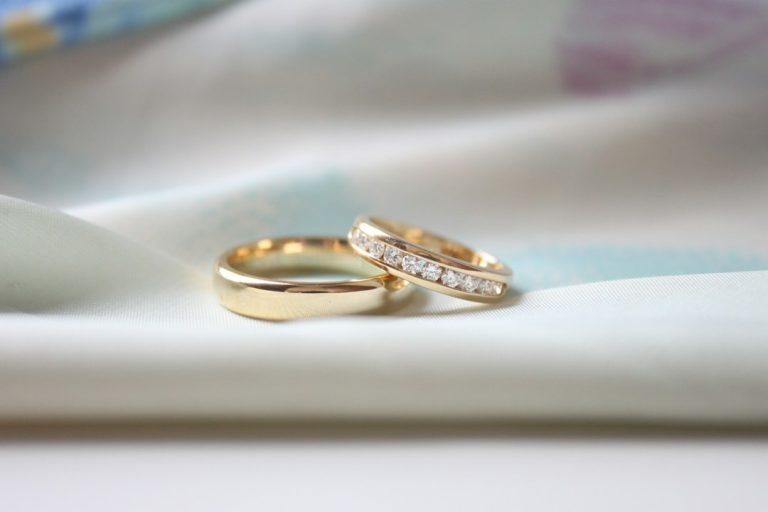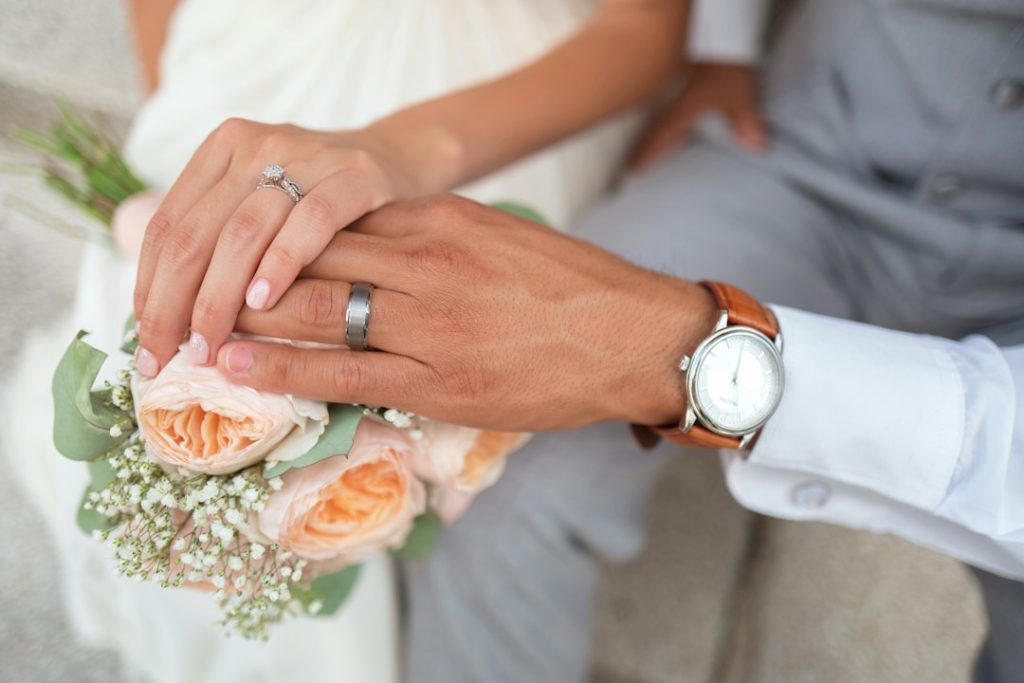
Scratches on a wedding band are an inevitable reality for most men. Daily life, from opening mail to working out, puts significant wear and tear on jewelry. Fortunately, the market offers a growing selection of materials and designs specifically engineered for comfort and resilience against scratches. This guide dives deep into the best options, materials, and features to ensure your wedding band remains a pristine symbol of your commitment, no matter what life throws at it.
| Band | Material | Comfort Fit | Scratch Resistance | Durability | Weight | Price Range |
|---|---|---|---|---|---|---|
| Overall Comfort & Scratch Resistance: Verragio Venetian Collection |
Platinum/Gold with Ceramic Inlay | Yes | Excellent (Ceramic) | Very Good | Moderate | $ (Mid-Range) |
| Active Lifestyles: Thorsten Rings – Easton |
Titanium | Yes | Good | Excellent | Lightweight | $ (Mid-Range) |
| Ultimate Scratch-Proofing: Manly Bands – The Meteor |
Ceramic | Yes | Exceptional | Good (Can chip/crack) | Lightweight | $ (Mid-Range) |
| Heavy Duty Wear: Benchmark – Tungsten Carbide Comfort Fit |
Tungsten Carbide | Yes | Exceptional | Excellent | Heavy | $ (Mid-Range) |
| Most Comfortable Fit: Triton – TMW147 |
Tungsten Carbide (Comfort Fit) | Exceptional | Exceptional | Excellent | Heavy | $ (Mid-Range) |
| Budget-Friendly: King Will – Dragon |
Tungsten Carbide/Carbon Fiber | Yes | Excellent | Very Good | Moderate | $49 |
Top Picks: Unbeatable Men’s Wedding Bands for Comfort and Durability
Selecting a wedding band involves balancing aesthetic appeal with practical longevity. For men who lead active lives or simply want a ring that withstands the rigors of daily wear without showing it, certain materials and designs stand out. These top picks have been chosen for their superior comfort and exceptional resistance to scratches, ensuring they look as good years from now as they do on your wedding day.
Best Overall Comfort & Scratch Resistance: Verragio Venetian Collection
⚖️ Weight: Moderate
⭐ Design: Venetian Collection
👍 Pros
- Combines the luxurious feel of precious metals with the extreme scratch resistance of ceramic.
- Exceptional comfort fit design typical of Verragio.
- Wide range of styles within the Venetian collection.
- Hypoallergenic options available.
👎 Cons
- High price point due to precious metal content.
- Ceramic inlay can potentially chip or crack under severe impact, though less likely in this configuration.
Verragio is renowned for its intricate designs and superior comfort fit. The Venetian Collection often features a unique combination of traditional metals like platinum or gold with modern, durable materials such as ceramic. The ceramic portion of the band is virtually impervious to everyday scratches, while the precious metal setting provides a classic aesthetic and comfortable wear. This blend offers a robust solution for those seeking both elegance and resilience. The comfort fit, characterized by a slightly domed interior, ensures the band glides on and off easily and sits comfortably without pinching.
The Verragio Venetian Collection represents a sophisticated approach to scratch-resistant wedding bands. By integrating a ceramic inlay into a platinum or gold band, Verragio achieves a remarkable balance. The ceramic, known for its Mohs hardness rating that rivals sapphire, effectively shields the ring from the majority of daily abrasions that would mar traditional metals. This makes it an excellent choice for professionals or individuals who want their ring to maintain its pristine appearance. The comfort fit, a hallmark of Verragio’s craftsmanship, ensures that the band feels light and unobtrusive on the finger, crucial for a piece meant to be worn continuously. While the precious metal components are susceptible to scratches, the strategic placement of the ceramic inlay means the most visible surfaces are highly protected. This collection is a premium investment for those who demand both high performance and high fashion.

Best Titanium Option for Active Lifestyles: Thorsten Rings – Easton
⚖️ Weight: Lightweight
⭐ Finish: Brushed
👍 Pros
- Extremely strong and durable titanium construction.
- Hypoallergenic, ideal for sensitive skin.
- Lightweight for maximum comfort during physical activity.
- Naturally resistant to corrosion and tarnishing.
- Brushed finish effectively masks minor scratches.
👎 Cons
- Titanium is very hard but can still scratch over time, though less noticeably due to its color and finish.
- Cannot be easily resized due to its hardness.
Titanium is a highly sought-after metal for men’s wedding bands, particularly for those with active lifestyles, due to its exceptional strength-to-weight ratio. It is significantly stronger than gold and platinum but considerably lighter. Thorsten Rings is known for its modern designs and durable materials. The Easton model, typically featuring a comfort-fit interior and a brushed finish, offers a practical and stylish solution. The brushed finish is particularly adept at camouflaging minor abrasions, making the band appear newer for longer. Titanium’s hypoallergenic properties also make it a safe choice for individuals prone to skin irritation.
For the man who is always on the move, the Thorsten Rings Easton band made of titanium is an outstanding choice. Its feather-light feel means you’ll barely notice it’s there, whether you’re at the gym, hiking, or simply going about your day. Titanium’s inherent strength ensures it can withstand impacts that might damage softer metals. While not entirely “scratch-proof,” its naturally gray color and often brushed finish do an excellent job of hiding the minor scuffs of everyday life. Unlike precious metals, titanium doesn’t tarnish or corrode, maintaining its luster with minimal upkeep. The comfort-fit design further enhances its wearability, preventing the dreaded ring slippage or discomfort during prolonged wear. If durability and an unobtrusive feel are paramount, the Easton is a top contender.
Best Ceramic for Ultimate Scratch-Proofing: Manly Bands – The Meteor
⚖️ Weight: Lightweight
⭐ Features: Meteorite Inlay (specific models)
👍 Pros
- Virtually immune to scratching; maintains a pristine look indefinitely.
- Extremely lightweight and comfortable.
- Hypoallergenic and smooth to the touch.
- Unique aesthetic, especially with special inlays.
👎 Cons
- Can be brittle and may crack or shatter if dropped on a hard surface or subjected to a sharp impact.
- Cannot be resized; requires replacement if fit changes.
- Limited repair options if damaged.
Ceramic, specifically Zirconium Carbide or similar compounds, is one of the hardest materials used in jewelry. Its Mohs hardness is typically around 8.5-9, placing it just below diamond. This makes it exceptionally resistant to scratches from everyday objects like keys, coins, and tools. Manly Bands offers a variety of ceramic rings, often incorporating unique elements like meteorite or carbon fiber for added visual interest. The “Meteor” model, if it features a ceramic construction, exemplifies this category. While incredibly scratch-resistant, the trade-off is brittleness. Therefore, while it won’t scratch, it might break under specific, forceful impacts. Its lightweight nature and smooth finish contribute significantly to comfort.
For a wedding band that genuinely lives up to the “scratch-proof” moniker, ceramic is the material of choice. Manly Bands’ offerings, such as “The Meteor,” showcase the material’s potential for both extreme durability and unique style. If your daily routine involves frequent contact with abrasive surfaces, a ceramic band will remain remarkably unscathed. Unlike brushed titanium or tungsten, which can still develop micro-scratches over time, ceramic retains its polished or matte finish without showing wear. The comfort is undeniable; its lightness makes it feel almost non-existent on the finger. However, prospective buyers must be aware of its brittle nature. While it laughs in the face of scratches, a hard drop onto concrete or a significant sharp blow could lead to cracking. Sizing is also a one-time affair; get it right the first time. For many, the unparalleled scratch resistance outweighs the risk of breakage, making ceramic a compelling option.

Best Tungsten Carbide for Heavy Duty Wear: Benchmark – Tungsten Carbide Comfort Fit
⚖️ Weight: Heavy
⭐ Fit: Comfort Fit
👍 Pros
- Exceptional scratch resistance, nearly impervious to daily wear.
- High density provides a substantial, premium feel.
- Very affordable compared to precious metals.
- Comfort fit interior ensures ease of wear.
👎 Cons
- Very brittle; can shatter if dropped on a hard surface or subjected to a sharp impact.
- Cannot be resized.
- Heavy weight may not appeal to everyone.
Tungsten carbide is a composite material known for its extreme hardness (9-9.5 on the Mohs scale) and density. It is significantly heavier than titanium and comparable to platinum. Its hardness makes it highly resistant to scratches, often outperforming even ceramic in terms of resisting abrasions from common objects. Benchmark is a well-regarded brand in the wedding band industry, often providing classic designs with modern materials. A comfort-fit tungsten carbide band from Benchmark offers a combination of extreme durability and comfortable wear. The primary concern with tungsten carbide, similar to ceramic, is its brittleness. While it won’t scratch, it can fracture under significant stress. However, its substantial weight and scratch resistance make it ideal for individuals seeking a ring that feels robust and maintains its appearance under demanding conditions.
For a wedding band that feels substantial and resists scratches like few others, tungsten carbide is a champion. Benchmark’s comfort-fit tungsten carbide rings deliver on this promise. The sheer density of tungsten carbide gives the band a reassuring weight, conveying quality and permanence. Its hardness is legendary in the jewelry world, meaning keys, tools, and rough surfaces are unlikely to leave a mark. This makes it an excellent choice for men in trades, construction, or those who simply want a ring that looks perpetually new. The comfort-fit interior is essential, as the band’s weight and hardness could otherwise lead to discomfort. The key caveat, as with ceramic, is brittleness. A forceful impact can cause it to shatter. However, many find that the unmatched scratch resistance and premium feel justify this risk, especially given the typically lower price point compared to gold or platinum.
Most Comfortable Fit for Daily Wear: Triton – TMW147
⚖️ Weight: Heavy
⭐ Fit: Advanced Comfort Fit
👍 Pros
- Superior comfort fit design for all-day wear.
- Exceptional scratch resistance due to tungsten carbide.
- Durable and long-lasting.
- Modern aesthetic.
👎 Cons
- Cannot be resized.
- Brittle and may fracture under extreme impact.
- Heavy feel might not suit all preferences.
Triton is a brand that has heavily focused on the comfort and fit of men’s wedding bands, often utilizing advanced ergonomic designs. Their TMW147 model, typically made from tungsten carbide, exemplifies this focus. The “comfort fit” in tungsten carbide rings often goes beyond a simple domed interior; it can involve subtle shaping of the outer profile and a carefully calibrated internal curve to distribute pressure evenly. This results in a ring that feels exceptionally smooth and comfortable, even during activities that might cause friction or swelling with a standard fit. Combined with tungsten carbide’s inherent scratch resistance, this makes the TMW147 a top choice for daily wear where both comfort and durability are priorities. The inherent brittleness of tungsten carbide remains a consideration, but for many, the enhanced comfort justifies its selection.
Comfort is subjective, but Triton has engineered their TMW147 model to maximize it, especially within the context of a durable material like tungsten carbide. For men who wear their wedding band 24/7, the subtle nuances of fit can make a significant difference. Triton’s approach to comfort fit aims to eliminate any potential for pinching, irritation, or the feeling of the ring being too tight, even as fingers naturally fluctuate in size throughout the day. This focus on ergonomic design, paired with tungsten carbide’s exceptional scratch resistance, creates a band that is both visually resilient and physically pleasant to wear. While the heavy feel and potential brittleness are factors to weigh, the TMW147’s primary strength lies in its ability to provide a supremely comfortable experience day in and day out, all while maintaining a flawless appearance against daily scratches.
Best Budget-Friendly Scratch-Resistant Band: King Will – Dragon
⚖️ Weight: Moderate
⭐ Style: Various (e.g., Dragon inlay)
👍 Pros
- Excellent scratch resistance at an affordable price.
- Durable construction suitable for daily wear.
- Often features unique designs or inlays.
- Lightweight and comfortable for many users.
👎 Cons
- Can still be brittle and prone to shattering upon impact.
- Resizing is not possible.
- Finish may not be as refined as higher-end brands.
King Will is a brand that offers stylish and durable men’s wedding bands at highly competitive price points. Their “Dragon” model, and similar offerings, frequently utilize tungsten carbide or a combination of tungsten carbide and carbon fiber. This blend allows for excellent scratch resistance, a key feature for budget-conscious buyers who still desire a ring that can withstand daily life. Carbon fiber adds a unique visual texture and can sometimes contribute to a slightly lighter feel than solid tungsten. While the materials provide impressive resistance to scratches, the inherent brittleness of tungsten carbide means careful handling is still advised. For individuals seeking maximum scratch protection without a significant financial outlay, King Will provides a compelling value proposition.
Finding a wedding band that is both comfortable and highly resistant to scratches without breaking the bank can be a challenge. The King Will “Dragon” ring, and similar models from the brand, effectively bridges this gap. By leveraging materials like tungsten carbide and carbon fiber, King Will delivers impressive scratch durability at a fraction of the cost of traditional precious metals or even premium alternative metals. The band’s construction ensures it can handle the bumps and scrapes of everyday activities, maintaining its aesthetic appeal. The combination of materials often results in a band that feels reasonably light and comfortable for extended wear. While it shares the brittleness characteristic of tungsten carbide, its affordability makes it an accessible option for those prioritizing resilience and style on a budget. It’s a practical choice for a wedding band that you won’t constantly worry about damaging.
Decoding Men’s Wedding Band Materials: Comfort Meets Durability
The choice of material is the single most crucial factor determining a wedding band’s comfort and its ability to resist daily scratches. Each metal and compound offers a unique profile of pros and cons regarding hardness, weight, hypoallergenic properties, and overall feel. Understanding these differences is key to making an informed decision.
Titanium: Lightweight, Hypoallergenic, and Tough
Titanium is a relatively modern material in the wedding band world, gaining popularity for its exceptional properties. It’s incredibly strong yet remarkably lightweight, making it comfortable for all-day wear, especially for men with active lifestyles or those unaccustomed to wearing jewelry. Titanium is also naturally hypoallergenic, making it an excellent choice for individuals with sensitive skin who might react to alloys in gold or platinum. While it can sustain scratches, its natural gray color and often brushed finish mean these imperfections are less noticeable than on polished precious metals. Its resistance to corrosion and tarnishing adds to its low-maintenance appeal.
Ceramic: The Unscratchable Modern Marvel
High-tech ceramic (often Zirconium Carbide) is arguably the hardest material commonly used in wedding bands, making it virtually impervious to scratches from everyday objects. Its Mohs hardness rating is exceptionally high, meaning it will retain its polished or matte finish indefinitely under normal wear conditions. Ceramic bands are also very lightweight and hypoallergenic. However, the trade-off for this extreme hardness is brittleness. Ceramic can crack or shatter if subjected to a significant sharp impact or dropped onto a hard surface. Furthermore, ceramic rings cannot be resized, necessitating a replacement if the fit changes.
Tungsten Carbide: The Heaviest Hitter Against Scratches
Tungsten carbide is another powerhouse when it comes to scratch resistance, rivaling ceramic with its high Mohs hardness (typically 9-9.5). It is significantly denser and heavier than titanium, providing a substantial feel that many men prefer. Tungsten carbide bands are highly resistant to scratches, ensuring they maintain their appearance over years of wear. Like ceramic, tungsten carbide is very brittle and can fracture under extreme force or impact. It also cannot be resized. Despite these limitations, its combination of extreme scratch resistance, durability, and relatively affordable price makes it a top choice for many.
Cobalt: A Platinum Alternative with Good Durability
Cobalt, often referred to as cobalt chrome, is a contemporary metal known for its strength, durability, and hypoallergenic properties. It is more scratch-resistant than traditional gold and platinum, though not as much as tungsten carbide or ceramic. Cobalt is also denser than titanium but lighter than tungsten carbide. It offers a bright white luster similar to platinum, making it an attractive option for those seeking a premium look without the high cost of platinum. Cobalt rings are generally considered more durable than ceramic or tungsten carbide in terms of resisting shattering, though they can still be scratched over time. They also cannot be easily resized.
Stainless Steel: Affordable and Resilient
Stainless steel is a popular choice for budget-friendly rings due to its affordability and good durability. It is corrosion-resistant and offers a decent level of scratch resistance, though it will show wear more readily than tungsten carbide, ceramic, or titanium over time. Stainless steel rings are typically hypoallergenic and have a moderate weight. They can be a practical option for a wedding band, especially if the budget is a primary concern or if the wearer prefers a metal that is easier to work with (e.g., for resizing) compared to the hardest alternatives, although resizing is still often difficult.
Traditional Metals (Gold/Platinum) – Can They Resist Scratches?
Traditional metals like gold (14K, 18K) and platinum, while timeless and valuable, are relatively soft compared to alternative metals. Pure gold (24K) is extremely soft and will scratch very easily. Most gold wedding bands are alloys (like 14K or 18K) which increases their hardness, but they will still show scratches and dents from daily wear much more readily than materials like tungsten carbide or titanium. Platinum is harder than gold and more resistant to wear, but it also scratches. However, platinum scratches tend to displace the metal rather than remove it, creating a “patina” rather than deep gouges, which some find appealing. For maximum scratch resistance, these traditional metals are generally not the best choice, though they offer inherent value and a classic aesthetic.

Key Features to Look For Beyond Material
While the material is paramount, several other features significantly impact a wedding band’s comfort and daily wearability. These details can make the difference between a ring you love wearing and one you find yourself taking off.
Comfort Fit vs. Standard Fit: What’s the Difference?
A standard fit ring has a flat interior surface. This can sometimes pinch the finger, especially as it swells due to heat or activity. A comfort fit ring features a subtly domed interior surface. This dome reduces the contact area with the finger, allowing the ring to glide on and off more easily and sit more comfortably without causing pressure points. For a ring intended for constant wear, a comfort fit is highly recommended.
Band Width and Profile: Finding Your Perfect Match
Wedding bands come in various widths, typically ranging from 2mm to 10mm or more. Wider bands offer a more substantial look and may provide more surface area for scratch resistance but can feel bulkier. Narrower bands are more delicate and less obtrusive. The profile refers to the shape of the band’s exterior. Common profiles include flat, court (domed top and bottom), and D-shape (rounded exterior, flat interior). A court or D-shape profile often enhances comfort by reducing sharp edges.
Unique Finishes: Brushed, Polished, and Matte Considerations
The finish of a band dramatically affects its appearance and how visible scratches are. A polished finish is shiny and reflective but will show every scratch prominently. A brushed finish has a satin look and is excellent at masking minor abrasions, making it ideal for scratch-resistant materials. Matte finishes offer a non-reflective look that also helps conceal scratches. Some bands feature combinations of finishes for added visual interest.
Inner Band Details: Engraving and Comfort Features
Many men choose to personalize their wedding bands with engravings – initials, dates, or special messages. Ensure the material allows for clean engraving and that the process won’t compromise the ring’s integrity. Beyond aesthetics, check for any additional comfort features like beveled edges on the interior or subtle shaping that enhances wearability.
Real-World Wear and Tear: How These Bands Hold Up
Laboratory tests can only tell part of the story. Understanding how these materials perform under the stress of daily life is crucial for making a lasting choice.
The Scratch Test: Simulating Daily Agitation
In practical terms, “scratch resistance” means how well a material withstands contact with common objects like keys, coins, countertops, and tools. Materials like tungsten carbide and ceramic excel here, essentially being immune to these daily abrasions. Titanium offers good resistance, while brushed finishes on any material help camouflage minor wear. Polished precious metals are the least resistant, showing scratches relatively quickly.
Comfort Over an Extended Period: Avoiding Irritation
Long-term comfort depends on several factors: weight, fit, and material properties. Lightweight materials like titanium and ceramic are often preferred for constant wear. A well-executed comfort fit is essential to prevent pinching or rubbing. Hypoallergenic properties are also key for sensitive skin, avoiding irritation or allergic reactions that can make a ring unwearable.
How Different Activities Impact Band Longevity
Manual labor/trades: High risk of scratches, dents, and impacts. Tungsten carbide, ceramic, or robust titanium are best.
Sports/Fitness: Risk of impact, bending (precious metals), or catching. Lightweight titanium or silicone bands are often recommended.
Office work: Lower risk, but frequent contact with desks, keyboards, and papers can cause micro-scratches on softer metals.
Water/Chemicals: Most alternative metals (titanium, tungsten, ceramic, cobalt) and platinum resist corrosion. Gold alloys can be affected by chlorine or harsh chemicals.
Maintaining Your Scratch-Resistant Wedding Band
Even “scratch-resistant” bands benefit from care. Regularly clean your ring with mild soap and water to remove dirt and oils. For tungsten carbide and ceramic, avoid dropping them. For titanium, a soft cloth is usually sufficient. While these materials resist scratches, abrasive cleaners or polishing compounds can dull their finish.

Common Pitfalls to Avoid When Buying a Men’s Wedding Band
Navigating the options can be tricky. Be aware of these common mistakes to ensure you choose a ring that truly fits your needs.
Why the Cheapest Option Might Cost You More
Extremely cheap rings, especially those made from unknown alloys or poorly manufactured tungsten carbide, may use inferior materials. These can be more brittle, chip easily, or contain allergens. While saving money is appealing, prioritize quality and reputable brands to avoid premature replacement or discomfort.
Misleading “Scratch-Proof” Claims Debunked
No material is truly indestructible. While tungsten carbide and ceramic come close regarding scratches, they can still break. Be wary of absolute claims. Understand the material’s limitations – particularly brittleness – rather than relying solely on the “scratch-proof” label.
Sizing Issues: The Ultimate Comfort Killer
An improperly sized ring is uncomfortable at best and a hazard at worst. Because many hard materials like tungsten carbide and ceramic cannot be resized, getting the correct fit is paramount. Measure your finger accurately, consider finger swelling, and consult sizing guides. If unsure, opt for a comfort fit and ensure the sizing is precise.
Expert Q&A: Your Burning Questions About Men’s Wedding Bands Answered (2026)
Can a wedding band truly be scratch-proof?
While no material is entirely impervious to damage, materials like tungsten carbide and ceramic come extremely close to being “scratch-proof” against everyday objects like keys, coins, and tools. However, they can be brittle and may chip or shatter under significant impact. Traditional precious metals like gold and platinum will scratch much more easily.
What’s the most comfortable metal for a men’s wedding band?
Comfort is subjective, but lightweight metals like titanium are often cited as highly comfortable for all-day wear. However, the ‘comfort fit’ design (a domed interior) found in many tungsten carbide and other metal bands is arguably more critical for overall comfort than the material’s weight alone. A well-designed comfort fit ring, regardless of material, is key.
How do I choose the right width for my finger?
Consider your finger size and hand proportion. Narrower bands (around 4-6mm) tend to suit slimmer fingers or those who prefer a less conspicuous look. Wider bands (7-10mm+) make a bolder statement and can look proportionate on larger hands or thicker fingers. Ultimately, try on different widths if possible to see what feels and looks best to you.
Are ceramic or tungsten bands brittle?
Yes, both ceramic and tungsten carbide are inherently brittle materials. This means while they offer exceptional resistance to scratches, they can crack or shatter if subjected to a sharp, forceful impact or dropped onto a very hard surface. This is the primary trade-off for their superior scratch resistance. They cannot be resized and often require specialized tools for removal in emergencies.