🧰 Tools & Gear You’ll Need
- A keen eye for detail
- Understanding of your daily activities and potential ring hazards
- Knowledge of metal properties (hardness, strength, density)
- Awareness of your budget
- Personal style preferences
- A reputable jeweler or online retailer
The Ultimate Showdown: Platinum vs. Titanium for Men’s Wedding Rings
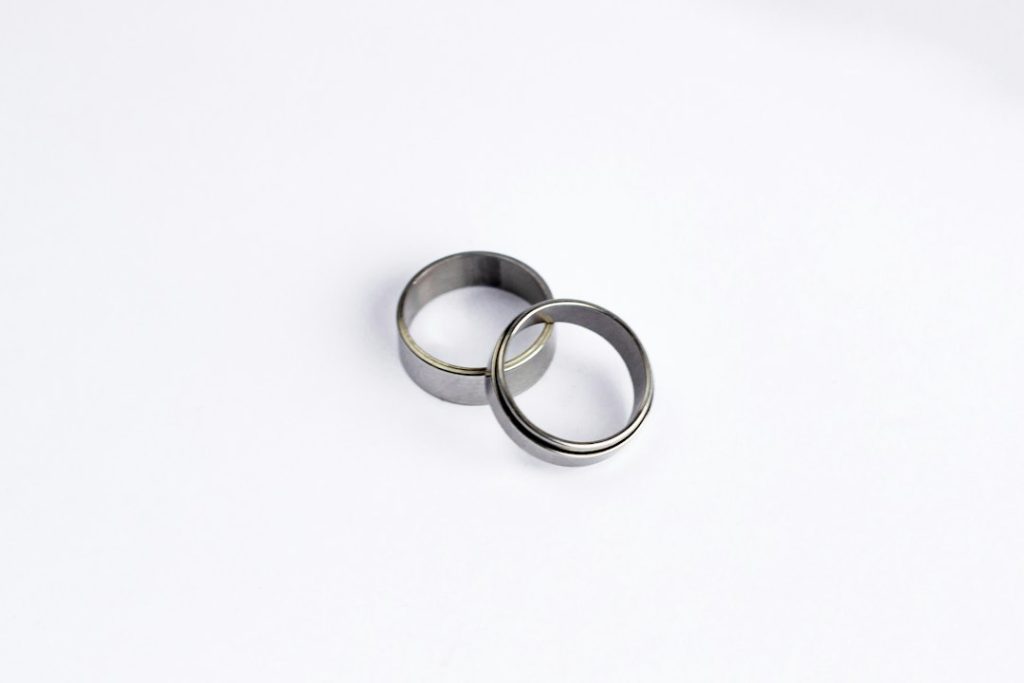
When it comes to selecting a men’s wedding ring, the metal choice is paramount, dictating not just the aesthetic but crucially, its durability and longevity. Two titans dominate the conversation for robust, modern bands: platinum and titanium. Both offer exceptional resilience, yet they approach it from fundamentally different angles, each with its own set of advantages and drawbacks. Understanding these nuances is key to making a decision you won’t regret years down the line.
Platinum: The King of Metals for Wedding Bands
Often associated with luxury and prestige, platinum is a naturally occurring white metal that has been a favorite for fine jewelry for centuries. Its hefty price tag reflects its rarity and inherent qualities.
Unveiling Platinum’s Enduring Appeal: Durability & Rarity
Platinum is incredibly dense and naturally white, meaning its color won’t fade or tarnish. It’s also one of the rarest metals on Earth, mined in only a few locations globally. This scarcity contributes significantly to its cost but also to its status symbol appeal. In terms of durability, platinum is exceptionally resistant to corrosion and wear, making it a superb choice for a ring meant to be worn daily.

The Pros of Platinum: Hypoallergenic, Scratch Resistance, and Timeless Shine
- Hypoallergenic: Platinum is naturally hypoallergenic, making it an ideal choice for men with sensitive skin or allergies to other metals like nickel, which is often used in white gold alloys.
- Scratch Resistance: While no metal is entirely scratch-proof, platinum ranks high on the Mohs scale (around 4-4.5). It tends to develop a patina over time, a soft, silvery sheen that many find adds character rather than detracting from its beauty. Crucially, when platinum scratches, it displaces rather than wears away, meaning the metal is lost, preserving the ring’s weight and integrity.
- Timeless Shine: Platinum retains its bright white luster indefinitely. Unlike white gold, it doesn’t require re-plating and its natural color is permanent.
- Density and Weight: Platinum is significantly denser than gold and titanium, giving it a substantial, luxurious feel on the finger. This density also contributes to its durability.
The Cons of Platinum: Price Point and Weight
- Price Point: Platinum is considerably more expensive than gold and titanium, often costing double or more. This is due to its rarity, mining difficulty, and the higher percentage of pure metal used in jewelry (typically 90-95% pure platinum, compared to 14k or 18k gold).
- Weight: While some appreciate the heft, platinum’s density can make it feel heavy for individuals not accustomed to heavier jewelry, especially for those with active lifestyles or certain occupations.
- Resizing Challenges: Due to its density and the alloys often used, resizing platinum rings can be more complex and costly than with gold or titanium.
Titanium: The Modern Marvel for Wedding Bands
Titanium has surged in popularity over the past few decades, particularly for men’s wedding bands. It’s celebrated for its incredible strength-to-weight ratio, sleek modern appearance, and approachable price point.
Titanium’s Rise: Strength, Comfort, and Affordability
Originally used in aerospace and medical implants due to its biocompatibility and strength, titanium has found a perfect niche in durable jewelry. Its industrial, matte finish appeals to many, and its lightweight nature makes it exceptionally comfortable for everyday wear. It’s also significantly more affordable than platinum, making high-durability options accessible to a wider audience.
The Pros of Titanium: Lightweight, Incredibly Strong, and Cost-Effective
- Lightweight: Titanium is about 40-45% lighter than platinum, making it incredibly comfortable for those who prefer not to feel the weight of jewelry on their finger.
- Incredibly Strong: Titanium is renowned for its exceptional tensile strength, rating around a 6 on the Mohs scale. It’s highly resistant to bending and warping, making it a robust choice for physically demanding lifestyles. It’s also highly corrosion-resistant.
- Cost-Effective: Compared to platinum, titanium bands are significantly more affordable, offering excellent value for their durability and modern aesthetic.
- Hypoallergenic: Like platinum, titanium is biocompatible and hypoallergenic, making it a safe choice for sensitive skin.

The Cons of Titanium: Potential for Cracking Under Extreme Impact, Difficulty in Resizing
- Potential for Cracking Under Extreme Impact: While incredibly strong, titanium is also more brittle than platinum. Under extreme, sudden impact (like a severe drop onto a hard surface or a crushing force), it has a higher risk of cracking or shattering compared to platinum, which tends to dent or scratch.
- Difficulty in Resizing: This is a major consideration. Because titanium is so strong and difficult to work with, resizing a titanium ring is often impossible or requires specialized, destructive methods (like cutting it off). Many titanium rings are designed with comfort-fit, non-sizable bands. Always confirm resizing possibilities before purchasing.
- Limited Finish Options (Historically): While advancements have been made, titanium traditionally offered fewer finish and customization options compared to precious metals. However, modern manufacturing now allows for various finishes and even inlay designs.
Key Durability Factors for Men’s Wedding Rings
Durability isn’t a single metric; it’s a combination of properties that determine how well a ring withstands the test of time and daily life. Understanding these factors is crucial when comparing metals like platinum and titanium.
Understanding Metal Hardness: Mohs Scale and Beyond
The Mohs scale of mineral hardness ranks materials from 1 (talc) to 10 (diamond) based on their ability to scratch one another. For wedding bands:
- Platinum: Typically ranks around 4-4.5 on the Mohs scale. This means it can be scratched by harder materials but is relatively resistant to everyday abrasions.
- Titanium: Rates around 6 on the Mohs scale, making it harder than platinum and capable of resisting scratches from most common materials.
However, hardness alone doesn’t tell the whole story. A harder material can sometimes be more brittle.
Scratch Resistance: Everyday Wear and Tear on Your Band
This is where the interplay between hardness and ductility becomes critical. While titanium is harder and may resist initial scratches better from softer objects, platinum’s unique property of metal displacement means that scratches don’t remove material but rather move it. This preserves the ring’s mass and integrity, albeit with a developing patina. Titanium, being harder, might show a scratch more definitively if it occurs, but it’s generally more resistant to minor scuffs.
Strength vs. Brittleness: Resisting Cracks and Breaks
Strength refers to a material’s ability to withstand force without deforming, while brittleness refers to its tendency to fracture under stress. Platinum is strong and ductile, meaning it can deform (dent or scratch) under force but is unlikely to break. Titanium is incredibly strong but less ductile, making it more prone to cracking or shattering under sudden, extreme impact.

Weight and Comfort: How Metal Choice Affects Daily Wear
As mentioned, platinum is dense and heavy, while titanium is exceptionally lightweight. This is a matter of personal preference. Some men feel the weight of platinum signifies its value and permanence. Others find titanium’s lightness makes it virtually unnoticeable, ideal for active individuals or those who dislike feeling jewelry on their hands.
Hypoallergenic Properties: Avoiding Skin Reactions
Both platinum and titanium are excellent choices for sensitive skin. They are naturally hypoallergenic and do not contain nickel or other common allergens often found in lower-karat gold alloys. This ensures comfort and prevents skin irritation, regardless of how long the ring is worn.
Platinum vs. Titanium: A Head-to-Head Durability Comparison
When you place platinum and titanium side-by-side, focusing purely on durability for a wedding band, here’s how they stack up:
Scratch Resistance Battle: Platinum’s Luster vs. Titanium’s Resilience
Titanium, with its higher Mohs rating, generally offers superior resistance to minor scratches from everyday objects encountered in daily tasks. However, platinum’s unique metal displacement means it doesn’t lose material when scratched, preserving its form and weight. Over time, platinum develops a patina, which some find desirable, while titanium might show more distinct scratches if subjected to harder materials or significant force.
Impact Resistance: Which Metal Survives Accidental Drops?
In terms of surviving accidental drops or impacts, platinum often has the edge. While it might dent or scratch, it’s less likely to shatter or crack than titanium. Titanium’s strength, while impressive, can lead to brittleness under sudden, high-force impacts, potentially causing irreparable damage. This is a critical factor if your lifestyle involves frequent potential for dropping or banging your hand.
Longevity and Wear: Which Holds Up Better Over Decades?
Both metals are incredibly durable and will last a lifetime if cared for properly. Platinum’s resistance to wear and its ability to retain its form (even with scratches that displace metal) make it a timeless choice for enduring wear. Titanium’s strength also ensures longevity, but the risk of cracking under extreme stress is a factor to consider for very long-term wear in demanding environments.
Maintenance and Care: Keeping Your Ring Pristine
- Platinum: Requires minimal maintenance. Occasional cleaning with mild soap and water is usually sufficient. If the patina becomes too pronounced or deep scratches occur, a professional jeweler can restore its original finish, though this is less common than with gold.
- Titanium: Also easy to care for. Clean with soap and water. Avoid abrasive cleaners. If scratched, professional polishing is difficult due to the metal’s hardness and brittleness. Some damage may be permanent.
Beyond the Basics: Other Durable Metal Options for Men’s Wedding Rings
While platinum and titanium are top contenders, several other metals offer excellent durability and unique characteristics for men’s wedding bands.
Tungsten Carbide: The Unyielding Contender
Tungsten carbide is incredibly hard (9-9.5 on the Mohs scale), making it exceptionally scratch-resistant. It’s also dense and has a sleek, dark-grey appearance. However, its extreme hardness comes at the cost of brittleness; it will shatter if dropped with enough force. Resizing is also impossible.
Cobalt: A Modern Alternative with Strength
Cobalt alloys offer a bright white appearance similar to platinum but are harder and more scratch-resistant. They are also hypoallergenic and more affordable. Like tungsten, they can be brittle and difficult to resize.
Gold (White, Yellow, Rose): Classic Choices and Their Durability Nuances
Pure gold is too soft for everyday wear. Wedding bands are typically 10k, 14k, or 18k gold, meaning they are alloys. While durable, they are softer than platinum or titanium. White gold requires re-plating periodically to maintain its bright white color, as the underlying alloy is yellowish. Yellow and rose gold are classic but can still scratch and dent.

Stainless Steel: The Budget-Friendly Workhorse
Stainless steel is strong, corrosion-resistant, and very affordable. It offers good scratch resistance but can still show wear over time. It’s a practical choice for those on a tight budget or needing a durable, low-maintenance band.
Making Your Final Decision: Factors Beyond Durability
While durability is crucial, it’s just one piece of the puzzle. Consider these factors to find the perfect ring for you:
Budget Considerations: Platinum’s Premium vs. Titanium’s Value
Platinum commands a premium price due to its rarity and inherent value. Titanium offers exceptional durability and a modern aesthetic at a fraction of the cost, providing excellent value. Determine your budget early to narrow down your options.
Lifestyle and Occupation: Matching Your Ring to Your Daily Life
If your job or hobbies involve manual labor, frequent impact, or exposure to harsh chemicals, a highly durable metal like titanium, tungsten, or even stainless steel might be more practical. For less demanding lifestyles, platinum or gold could be suitable.
Personal Style: Finding the Perfect Aesthetic
Do you prefer a classic, luxurious look (platinum, gold)? Or a modern, industrial vibe (titanium, tungsten, steel)? Consider the finish, color, and overall design that best reflects your personal style.
Resizing Needs: Planning for Future Changes
Body weight can fluctuate, and rings may need resizing. Platinum and gold are generally resizable. Titanium and tungsten carbide are typically not resizable, so ensure you get the perfect fit initially or choose a brand that offers easy exchanges.
Assess Your Lifestyle
Honestly evaluate your daily activities, job demands, and hobbies. Will your hands be subjected to heavy impacts, chemicals, or abrasive tasks? This is the single most important factor in determining metal suitability.
Set Your Budget
Decide how much you’re willing to spend. This will immediately help filter out certain precious metals and focus your search on more affordable, yet equally durable, alternatives.
Explore Metal Properties
Research the hardness, density, scratch resistance, and malleability of metals like platinum, titanium, tungsten, cobalt, and gold alloys. Understand the trade-offs between hardness and brittleness.
Consider Aesthetics and Comfort
Think about the color, finish, and weight that appeals to you. Try on rings of different metals if possible to gauge comfort and visual preference.
Factor in Resizing
If future resizing is a concern, prioritize metals like platinum or gold. If you choose titanium or tungsten, ensure you understand the sizing process and exchange policies.
Consult a Reputable Jeweler
Seek advice from knowledgeable professionals who can guide you through the options based on your specific needs and preferences.
Expert Tips for Choosing and Caring for Your Men’s Wedding Ring (2026)
Navigating the world of men’s wedding bands involves more than just picking a metal. Here are some insider tips to ensure you make a wise investment and keep your ring looking its Best for years to come.
Where to Buy: Reputable Jewelers and Online Retailers
Stick to established jewelers with good reputations or trusted online retailers specializing in men’s wedding bands. Look for brands that offer detailed specifications, clear return/exchange policies, and certifications where applicable (especially for precious metals). Avoid impulse buys from unknown sources.
What to Ask: Key Questions for Sales Associates
- “What is the exact metal composition and purity (e.g., 950 Platinum, Grade 5 Titanium)?”
- “How resistant is this metal to scratching and impact?”
- “Can this ring be resized? If so, what is the process and cost?”
- “What is the warranty or return policy?”
- “What are the care and maintenance recommendations for this specific metal?”
Ring Maintenance: Cleaning and Protecting Your Investment
General Cleaning: For most metals (platinum, titanium, gold, stainless steel), a soft brush, warm water, and mild dish soap is sufficient. Gently scrub and rinse thoroughly, then pat dry with a soft cloth. Avoid harsh chemicals, bleach, or abrasive cleaners, as they can damage finishes or even the metal itself.
Specific Metals:
- White Gold: May need periodic re-plating to maintain its bright white appearance.
- Platinum: Develops a patina; cleaning can enhance its luster.
- Titanium/Tungsten: Generally low maintenance; avoid strong impacts.
Protection: Remove your ring during strenuous activities, while using harsh chemicals, or when swimming in chlorinated pools or saltwater, as these can affect the metal or any gemstones.
Common Pitfalls to Avoid When Buying a Men’s Wedding Band
- Assuming all metals are equal: Durability varies greatly. Don’t choose based on looks alone.
- Ignoring resizing: Especially critical for non-resizable metals like titanium and tungsten. Get the fit right the first time.
- Not considering lifestyle: A delicate band won’t survive a construction worker’s daily grind.
- Overlooking hypoallergenic needs: If you have sensitive skin, stick to platinum, titanium, or high-purity gold.
- Buying from unknown sources: Risk of imitation metals or poor craftsmanship.
- Forgetting maintenance: Understand what’s needed to keep your ring looking good.